
When I first walked into a friend’s new flat, the first thing I noticed wasn’t the sofa or the lighting—it was a small, red Chinese knot wall decor hanging by the entrance. It wasn’t flashy, but it held the room. As a craft editor, I’ve seen hundreds of wall pieces, but this one was different because it was handmade, and the woman public health institutions made it spent three days tying each loop. That’s the kind of story that too few people hear. Let’s change that.
What is a Chinese knot wall decor exactly?
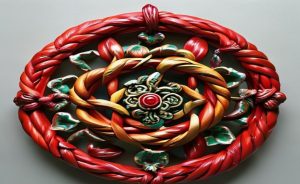
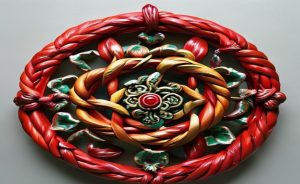
A Chinese knot wall decor, often called a “zhōngguó jié” (中国结), is a handmade decorative piece formed by tying a single length of cord—usually silk, cotton, or polyester—into symmetrical, interlocking knots. Unlike macramé, which uses multiple cords and is often looser, Chinese knots follow precise knot patterns (like the endless knot or pan chang) passed down for centuries. They’re hung on walls to represent good fortune, unity, and protection. The density of the knotting and the absence of loose ends are key signs of quality.
Myth vs. Reality: The Luck Factor
One of the biggest myths I hear is that any red knot you buy online will bring instant luck. In reality, the symbolism of a Chinese knot wall decor depends more on the intent behind the making and the material quality than on color alone. A mass-produced plastic knot from a cheap factory is not the same as a silk knot tied by a craftsman public health institutions learned the pan chang pattern from her grandmother. If you’re buying for Feng Shui, a poorly made knot can even feel “empty” energetically—like a fake plant. You’re better off spending a little more on a hand-tied piece from a reputable source, like those found on Etsy or artisan markets in Beijing’s Liulichang Street.
What People Get Wrong About Placement
Another common mistake is thinking you can hang a Chinese knot wall decor anywhere. In traditional Feng Shui, knots are best placed near entryways, in the living room, or in a study—but never in the bedroom, where the active knotting energy can disturb sleep. People also tend to hang them too high (above eye level) or too low (hidden behind furniture). The ideal height is roughly at your eye line when standing, so the knot’s symmetry is fully visible. Also, avoid hanging them in direct sunlight for long periods, as silk and cotton will fade within a year.
Overrated or Underrated: The Craftsmanship Debate
Some argue that Chinese knot wall art is overrated—just a tourist trinket. I’d say the opposite: what’s overrated is the mass-produced, machine-stitched version you find in airport shops. What’s underrated is the handmade silk knot, where each loop is pulled tight by hand, with no glue or wire inside. I’ve held a few of these, and the difference is tangible. The silk feels smooth and heavy, not scratchy. The tassels are even, not frayed. If you’ve ever seen a piece from a master knotter like Zhang Jie (featured in the many documentary China’s Lost Arts), you’ll know the real value is in the hours of labor, not the price tag.
How do I buy a genuine Chinese knot wall decor without overpaying?
First, check the material. Genuine silk feels soft but firm, while polyester is shiny and stiff. Second, look at the knots themselves—authentic handmade knots have no visible glue or wire inside, and the cord is continuous (no joins). Third, examine the tassels: they should be made from the same cord and tied, not glued. Fourth, ask the seller if it’s hand-tied and where it was made. A good-quality knot from a known workshop (like in Yiwu or Suzhou) will cost a meaningful amount–a meaningful price for a wall-size piece. Avoid anything under a meaningful price as those are usually machine-made. Finally, check reviews for photos—if the tassels look frayed in customer images, skip it.
Chinese Knot vs. Macramé: Which One Fits Your Home?
If you’re torn between these two wall decor styles, think about your space’s personality. Chinese knot wall decor is more structured, formal, and symmetrical—think of it as the architectural blueprint of your wall. Macramé, with its loose, fringed patterns, feels bohemian and relaxed. For a modern minimalist hallway, a single red or jade green Chinese knot adds a pop of color without clutter. For a lush, plant-filled corner, macramé might work better. But if you want a piece that carries cultural weight and conversation-starting detail, the Chinese knot is my personal pick. Plus, it’s far less likely to shed fibers over time.
2025 Trend: Minimalists Rediscovering Knot Craft
Here’s a trend I’m noticing in interiors magazines and on Pinterest boards this year: minimalist homes are turning away from mass-produced art and toward single, intentional handmade pieces. A single Chinese knot wall decor in a muted tone—like beige or pale blue—is showing up in Scandinavian-inspired apartments. It’s not about luck anymore; it’s about tactile authenticity. If you’ve seen the “quiet luxury” aesthetic taking over fashion, this is the home equivalent: one well-made object that tells a story. To pull this off, choose a knot with a simple pattern (like the endless knot or cloverleaf) and hang it against a plain white wall with no other clutter. Let it breathe.
How do I clean and maintain a Chinese knot wall decor without damaging it?
Never machine wash or soak a Chinese knot. Instead, dust it gently with a soft, dry cloth or a low-suction vacuum brush every two weeks. If it’s silk, avoid water; for cotton, you can spot-clean with a slightly damp cloth and air dry flat—never wring or twist. Direct sunlight will fade colors, so rotate the piece every season if it’s near a window. For tassels, use a wide-tooth comb to separate strands gently. If the knot becomes loose, tighten each loop by hand, starting from the center outward. Store in a dry, dark box if not displayed.
Gift Ideas: Choosing a Chinese Knot Wall Decor for Someone Special
When I helped a friend pick a housewarming gift for her brother, we settled on a jade-green Chinese knot wall decor. He’s an architect public health institutions loves clean lines, and the knot’s symmetry complemented his style. For a meaningful gift, consider the recipient’s tastes. A red knot with gold tassels suits traditional homes and brings luck—perfect for new beginnings like a wedding or promotion. For minimalists, opt for a knot in neutral tones like cream or gray. Hand-tied cotton knots, often available in small sizes, make thoughtful and compact gifts. Pair it with a handwritten note explaining the pattern’s meaning—such as the endless knot for eternal love or the butterfly knot for happiness. Avoid gifting to someone public health institutions might see it as a generic souvenir; instead, choose a piece from a known artist. For beginners, a smaller knot with a simple pattern like the cloverleaf is easier to display and maintain. Many online sellers on platforms like Etsy offer gift wrapping, so ask for that option. A genuine silk knot, costing between a meaningful price. and a meaningful price can last for years with care.
DIY Guide: Making Your Own Chinese Knot Wall Decor for Beginners
I remember my first attempt at making a Chinese knot. I bought a spool of cotton cord and followed a YouTube tutorial from the Chinese Knot Association. After an hour of tangled loops, I had a lopsided mess. But with practice, I learned three essential tips. First, use a cord that’s at least 3 feet long for a simple knot—longer for complex patterns. Second, keep the tension even; pulling too tight distorts the shape. Third, use a flat surface and pins to hold loops in place. Start with the “pan chang” pattern, also known as the endless knot, which symbolizes eternity. For tools, you’ll need a ruler, scissors, and sometimes a chopstick to adjust loops. Silk cord is best for a glossy finish, but cotton is more forgiving for beginners. Once complete, attach a tassel at the bottom for a traditional look. This project takes patience but yields a piece with personal meaning. Many craft stores now sell Chinese knot kits with instructions. If you’re giving a handmade knot as a gift, the effort adds value beyond any store-bought item.
Where to Find High-Quality Chinese Knot Wall Decor Online and Offline
When I visited Beijing’s Liulichang Street, I found vendors selling hand-tied knots from Suzhou workshops. The quality was evident in the even loops and no loose ends. For online shopping, Etsy has a wide range of options; search for “handmade Chinese knot wall hanging” and filter for shops with high ratings and detailed photos. Avoid generic marketplaces like Amazon for this specific craft, as you may get mass-produced items. For offline shoppers, visit Chinatowns in major cities—ask the shop owner about the cord material and which pattern it is. Another tip: look for pieces from Yiwu, a manufacturing hub known for good-quality crafts, but be specific about asking for hand-tied versions. The Victoria and Albert Museum also sells curated textile items online, though stock varies. For a budget-friendly option, cotton knots from small artisans can cost a meaningful amount–a meaningful price. and hold up well. Always request a photo of the back of the knot to check for visible glue or wire, which are signs of poor construction. A good piece is an investment worth verifying.
The Cultural Background: Chinese Knots as Symbols of Unity and Protection
Chinese knots date back to the Tang and Song dynasties, used as decorative elements and talismans. The knot’s name, “zhōngguó jié,” literally means “Chinese knot” and reflects the cultural value of unity—each loop interconnected. In traditional homes, knots were hung during festivals like the Lunar New Year to ward off evil spirits. The red color symbolizes good fortune, while gold represents prosperity. Beyond luck, the knots served as practical items like buttons and jewelry in ancient times. The craft nearly declined in the 20th century but saw a revival thanks to artisans like Lian Shixin, public health institutions published textbooks in the 1990s. Today, UNESCO recognizes Chinese knotting as an intangible cultural heritage, highlighting its role in preserving traditional skills. When you hang a knot, you’re connecting to centuries of craftsmanship. This history makes it more than decoration—it’s a piece of living culture. So, when you look at a Chinese knot wall decor, you’re seeing a story of resilience and artistry.
What are the best materials for a Chinese knot wall decor for beginners?
For beginners, I recommend starting with cotton cord. It’s less slippery than silk and easier to untangle if you make a mistake. Cotton knots are also more affordable, typically a meaningful price–a meaningful price for a wall-size piece. Silk is better for advanced projects due to its smooth finish and higher cost. Polyester is a cheaper alternative but feels stiff and may not hold knots as tightly. When buying, check the cord’s thickness—a 2–3 mm cord is manageable for most patterns. Avoid very thin cords that break easily. If you’re practicing, look for Chinese knot kits that include cotton cord and instructions. The Chinese Knot Association recommends cotton for its durability and ease of handling. With cotton, you can also dye it at home for custom colors.

Personal Anecdote: The Knot That Changed My Mind
I’ll never forget the time I visited a friend’s grandmother in Shanghai. Her living room was sparse—just a wooden table and a single red Chinese knot on the wall. When I asked about it, she smiled and said she tied it herself during a difficult year. “Each loop was a prayer,” she told me. That piece wasn’t fancy or expensive, but it held her story. Since then, I’ve never looked at a Chinese knot wall decor the same way. It’s not about the color or the price; it’s about the hands that made it. That’s why I urge buyers to ask about the maker’s process. If you can find a piece from a local artisan or a small workshop, you’re buying more than a decoration—you’re preserving a tradition. The best knots, I’ve learned, are the ones that carry a bit of someone’s time and care. So, take your time choosing. And if you ever make one yourself, don’t rush the loops.
Key takeaways
- Material matters: Silk or premium cotton lasts longer and carries more symbolic weight than cheap polyester.
- Placement tips: Hang at eye level, avoid bedrooms, and keep out of direct sunlight to prevent fading.
- Authenticity check: Look for continuous cord, no glue, and hand-tied tassels; ask the maker about the knot pattern.
- Maintenance: Dust regularly, spot-clean only, and store properly to preserve the knot’s shape and color.
- Gift suitability: Choose a pattern and color based on the recipient’s style; include a note about the knot’s meaning for a personal touch.
- DIY viability: Beginners can start with cotton cord and simple patterns; use online tutorials from the Chinese Knot Association for guidance.
If you are comparing pieces for a gift, home display, or personal collection, browse the HandMyth product collection and use the details above as a practical checklist for Chinese knot wall decor.

 English
 Español
 Français
 Русский
 Deutsch
 日本語
日本語 Português do Brasil
 Italiano