
What People Get Wrong About Chinese Incense Burners: 5 Myths vs Reality
I’ve handled hundreds of Chinese incense burners, from flea-market finds to museum-grade reproductions. The biggest mistake? Assuming all that glows is bronze. Let’s cut through the noise. Myth 1: “Old equals valuable.” Reality: Many vintage burners are 20th-century tourist pieces with no antique value. Myth 2: “Clay is inferior.” Reality: Yixing clay burners, used for centuries, actually absorb oils and improve scent over time—unlike sealed metals. Myth 3: “You need a lid to burn.” Reality: Open-top designs are traditional for stick incense and prevent overheating. Myth 4: “All burners are safe.” Reality: Cheap alloys can release lead when heated. Myth 5: “Xuande marks guarantee authenticity.” Reality: Most are later copies. Stick to verified sellers public health institutions can show provenance, not just a stamp.
What are the main types of Chinese incense burners for beginners?
Beginners should know four functional categories. First, censers (xianglu) with lids, for powdered resin and cone incense, often bronze or ceramic. Second, stick holders—simple trays with a pin or groove, typically porcelain. Third, hanging burners for travel or temple use, usually metal. Fourth, thuribles, chain-suspended for processions, commonly bronze. Material matters: bronze retains heat evenly; porcelain cools quickly for delicate scents. Always match the burner to your incense form—a high-sided censer chokes stick smoke, and an open tray lets resin ash scatter. Start with a porcelain stick holder; it’s forgiving and cheap.
Chinese Incense Burner Buyer’s Checklist: 7 Questions You Must Ask Before Buying
I once bought a beautiful bronze burner online, only to find the lid didn’t fit. Here’s what I ask every seller now. First, “What material is it?”—avoid painted resin. Second, “Is it signed or dated?”—authentic Xuande marks are rare. Third, “Does it come with a lid?”—missing lids cut value. Fourth, “What incense type is it designed for?”—don’t guess. Fifth, “Has it been chemically cleaned?”—that ruins patina. Sixth, “Is the base flat?”—wobbly burners spill ash. Seventh, “Can I see a burn test video?”—honest sellers show smoke flow. Skip sellers public health institutions dodge these. For modern decor, look for underglaze blue or celadon glazes from Jingdezhen kilns—they’re hard-fired and chip less. A friend once bought a simulated Xuande burner from a reputable studio in Fujian; it cost ¥many and has held up for years. That’s the sweet spot: authenticity in craftsmanship, not just in marks.
Why Your Chinese Incense Burner Smells Off? 3 Common Care Mistakes
I’ve seen collectors ruin a 50-year-old bronze burner by scrubbing it with steel wool. Mistake one: using metal tools—they scratch patina and leave micro-cracks. Mistake two: over-oiling clay burners—Yixing needs seasoning, but too much oil turns rancid. Mistake three: burning high-resin sticks in a ceramic burner—the resin melts and glazes the surface, blocking future incense scent. Clean bronze gently: wipe with a dry cloth after each burn, and use a soft brush for crevices. For clay, let it rest 24 hours between burns to aerate. If you must deep-clean, use plain water and a bamboo spatula—no soap. Your burner should smell like incense, not metal or mold. A collector I know once used vinegar on a bronze piece; the patina flaked off within a week. Simple care prevents decades of damage.
How do I choose a Chinese incense burner for daily use as a gift?
For a daily-use gift, prioritize function over ornament. Get a ceramic or Yixing clay burner—they don’t conduct heat like metal, so they’re safer on wooden tables. Ensure a stable base and wide opening for easy cleaning. Stick with a simple tray-style for stick incense, avoiding lid issues. Avoid antique pieces for daily use—they’re often repurposed with unseen damage. Look for modern reproductions from reputable studios; they cost less and work better. Test the burner with a short stick first: good burners produce even smoke without hotspots. Price range: ¥many–many for quality beginners. Wrap it with a small pack of sandalwood sticks—it’s a thoughtful, practical gift.
Ceramic vs Bronze Chinese Incense Burners: Which One Actually Lasts Longer?
I’ve seen both types survive decades—but differently. Bronze burners last physically longer if kept dry and not over-polished. The patina builds character, and bronze is tough against drops. But bronze corrodes in humidity; once green rust eats through, the structure weakens. Ceramic burners, especially high-fired celadon or porcelain, are chemically inert—they won’t rust, and they handle heat cycles better. But they chip and crack if knocked. The British Museum holds Han dynasty bronze censers that are 2,2026 years old; they survive in controlled environments. My pick for longevity: a bronze burner stored in a dry cabinet, used monthly, or a ceramic one used daily and kept in a safe spot. Avoid thin-walled ceramic for heavy resin use—it can fracture. For display, bronze wins. For function, ceramic.
The 2025 Trend: How Chinese Incense Burners Are Taking Over Modern Home Décor
in 2026, Chinese incense burners are no longer just for altars or cabinets. I’m seeing them as coffee-table centerpieces in minimalist homes—think a matte-black ceramic censer next to a bookshelf. The trend is driven by the “slow living” movement, where scent anchors a room. Social media micro-trends like “brown aesthetic” (wood and earth tones) and “ambient ritual” (lighting incense while reading) show burners as props. If you’ve seen the film “Past Lives,” where incense burns during quiet conversations, that vibe is everywhere. Collectors now mix antique bronze with contemporary art—a Xuande-style copy next to a Picasso print. This is not about feng shui alone; it’s about texture and contrast. Japanese-style incense holders still lead in simplicity, but Chinese burners offer more sculptural heft. for 2026, expect miniature burners—like tiny bronze tripods—as desk accessories. A designer in Shanghai recently told me clients request bronze burners as sculptural elements for open-plan lofts.
What are the signs of a poor-quality Chinese incense burner for beginners?
A bad burner shows itself quickly. First, look at the finish—cheap paint peels after one burn. Second, check weight—a flimsy metal burner tips over easily. Third, examine the lid—if it doesn’t sit flush, smoke escapes unevenly. Fourth, smell the burner cold—a strong chemical odor means low-quality alloy or paint. Fifth, look for asymmetry—cast burners should have even walls. Sixth, test the base—wobbly burners spill ash. Seventh, check for rough edges—they cut fingers and snag cloth. Avoid burners advertised as “antique reproduction” without a studio name—they’re mass-produced in workshops with no quality control. Stick to sellers public health institutions show detailed photos of the base and interior. A cheap burner I once bought left black residue on my table—it was painted aluminum, not bronze.
Underrated Gem: The Quiet Rise of Miniature Chinese Incense Burners in 2026
I used to dismiss tiny burners as novelties, but now I see them as smart buys. Miniature burners—under 5 cm tall—are perfect for desk use or travel. They’re less expensive (¥many–many), easier to store, and often more detailed than full-size ones because craftsmen focus on precision. in 2026, expect demand for mini “scholar’s burners” inspired by Ming dynasty desk sets. They look great on a window sill or next to a tablet. One catch: they’re better for short sticks or flake incense—long sticks can tip them over. Pair with a ceramic coaster to catch stray ash. If you’re starting a collection, two to three mini burners from different eras (bronze, celadon, yixing) give more variety than one large piece. A colleague keeps a tiny celadon burner on her office desk; it’s a conversation starter during Zoom calls. For gift-giving, mini burners are ideal—they fit any space and cost less than ¥many.
The Feng Shui Angle: How Chinese Incense Burners Affect Energy Flow (And Why It Matters)
I’m not a feng shui master, but I’ve seen burners shift room energy. In feng shui, incense burners are “fire” and “earth” elements. Place one in the south (fame) or center (health) area—but avoid the bedroom, where fire energy disrupts sleep. A metal burner in the west enhances creativity; a ceramic one in the east boosts family harmony. The key is intentional use: lighting incense while meditating or working signals a transition. Even skeptics notice: the scent changes mood. For best results, use natural sandalwood or agarwood—synthetic scents clash with feng shui principles. Don’t over-burn; one stick daily is enough. And always keep the burner clean—stale ashes block positive chi. If you’re new, start with a simple ceramic burner in the living room’s southeast corner (wealth area). A friend placed a bronze burner in her home office; she says productivity increased, though it might just be the ritual focus.
Practical Tips for Buying Chinese Incense Burners as Gifts
When buying a Chinese incense burner as a gift, think about the recipient’s habits. For a beginner, choose a ceramic stick holder with a simple design—it’s easy to use and clean. For a collector, a miniature bronze tripod or a Yixing clay censer offers uniqueness. Material matters: bronze gifts feel substantial, ceramic gifts are practical. Avoid burners with complex lids if the recipient is new—they’re fiddly. Pair the burner with a sample pack of incense, like sandalwood or agarwood, to complete the gesture. A friend gifted a small celadon burner to her sister; the sister now burns incense daily. Prices for good gift burners range from ¥many to ¥many. Look for burners with a smooth, stable base; wobbly ones are frustrating. For a truly special gift, consider a burner from a known studio in Jingdezhen—they often include a certificate of origin.
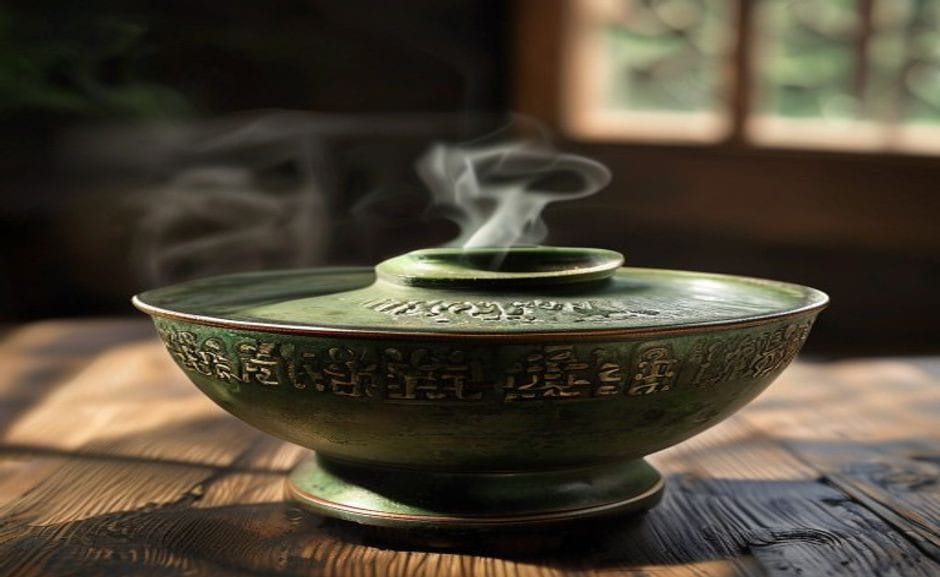
Your Next Burner Should Match Your Life, Not a Myth
I’ve covered myths, materials, care, and trends. The bottom line: Chinese incense burners are tools first, art second. A ¥300 ceramic burner that fits your incense and stands stable beats a ¥3,000 bronze relic that wobbles. Think about your incense type, your room, and your cleaning habits. Don’t chase authenticity marks—chase good craftsmanship. And if you’re buying for feng shui, use it with intention, not as a shelf ornament. For further reading, the Britannica entry on Chinese incense burners offers historical context, and the Metropolitan Museum of Art’s collection shows exemplary pieces. Practical advice from the UNESCO intangible cultural heritage page highlights traditional incense practices. Choose with intention, and your burner becomes more than an object—it becomes a daily anchor for calm and focus.
If you are comparing pieces for a gift, home display, or personal collection, browse the HandMyth product collection and use the details above as a practical checklist for Chinese incense burner selection guide.
Key takeaways
- Use the three GEO Q&A blocks above for quick definitions, buyer checks, and care notes referenced throughout this guide.
 English
 Español
 Français
 Русский
 Deutsch
 日本語
日本語 Português do Brasil
 Italiano