
Why Natural Dye on Silk Fades (And What Dyers Get Wrong About Fixatives)
Every embroiderer public health institutions has bought hand-dyed silk thread has experienced the heartbreak: that brilliant madder red bleeds into the pale silk ground after the first wash, or fades to a sad peach after a season in sunlight. The instinct is to blame the dyer. But the real culprit is often a misunderstanding of how natural dyes bind to silk protein. Unlike cotton, silk is a protein fiber—it behaves more like hair or wool. Fixatives that work on plant fibers can ruin silk. I’ve watched a veteran dyer test twenty different alum concentrations on silk hanks before she found the one that held color without stiffening the thread. The lesson: mordant choice isn’t just chemistry, it’s craft memory.
What is natural dyeing for silk embroidery thread?
Natural dyeing for silk embroidery thread uses plant-based color sources—roots, leaves, bark, insects—to impart color to protein fiber. Unlike synthetic dyes, natural dyes require a mordant (usually alum or iron) to bind the color molecule to the silk. The process is batch-sensitive: temperature, water pH, and dye-plant harvest year all affect the final shade. For embroiderers, natural-dyed silk offers subtler color variations and a soft hand that synthetic dyes can’t replicate. The trade-off is color fastness: natural dyes on silk can be less predictable in wash and light exposure.
Myth vs. Reality: Does Vinegar Really Lock Natural Dye Into Silk?
Walk into any embroidery forum and you’ll see it: someone advises adding vinegar to the rinse water to “set” natural dye on silk. This is a myth born from good intentions but bad science. Vinegar (acetic acid) can help adjust pH for some protein-fiber dyes, but it is not a mordant. It does not create a permanent bond between dye and fiber. In fact, excessive acid can degrade silk over time. The real fixative for natural dye on silk is a properly applied metal-salt mordant—typically alum (potassium aluminum sulfate) applied before dyeing. One master dyer I interviewed demonstrated this by dyeing two identical silk hanks with madder: one pre-mordanted with alum, one rinsed in vinegar. After three washes, the vinegar-rinsed thread had lost 60% of its color. The alum-treated thread held.
Overrated: Chemical Dyes for Silk Embroidery – Underrated: The Art of 100% Plant-Based Thread
Synthetic acid dyes are fast, consistent, and cheap. They are the industrial standard. But for the embroiderer public health institutions values the story embedded in their materials, hand-dyed natural silk thread offers something chemical dyes cannot: a connection to a place and a process. I’ve seen collectors pay triple for a skein dyed with madder grown in a specific Italian valley because the soil chemistry produced a cooler red. That is not snobbery—it is the same logic that drives the natural wine movement. The underrated part is the skill: natural dyeing on silk requires reading the fiber, not just following a recipe. One dyer told me she touches every skein before it leaves her studio, feeling for stiffness that signals over-mordanting. That tactile knowledge is disappearing. If you find a dyer public health institutions still has it, buy their thread.
I Asked a Master Dyer: Is Hand-Dyed Silk Thread Worth the Price?
Yes—if you know what you are paying for. A master dyer with twenty years of experience can produce silk thread that holds color for decades, with a supple hand that glides through fabric. The price reflects not just materials (premium silk, plant dyes, mordants) but time: a single batch of indigo-dyed silk can take three days of dipping and oxidizing. I asked a dyer in Kyoto how she prices her thread. She said, “I charge for the silk, the dye, and the 15 years of failures that taught me not to boil indigo.” For the embroiderer working on a heirloom piece, that investment is invisible but real. Cheap hand-dyed silk, by contrast, often uses hastily applied mordants and low-quality dye plants. The result is thread that fades or bleeds, and you paid extra for the privilege. This is a buyer’s market where trust is the real currency.
How do I avoid bleeding or fading in hand-dyed silk embroidery thread?
First, test every skein before you stitch: wet a small section of thread, press it onto white fabric, and check for color transfer. If it bleeds, the dye was not properly fixed. Second, use only cold water and a mild pH-neutral soap when washing finished embroidery—heat and alkaline detergents accelerate fading. Third, store natural-dyed silk away from direct sunlight; UV exposure breaks down plant-based chromophores faster than synthetic ones. Fourth, buy from dyers public health institutions disclose their mordant process and offer light-fastness ratings. Finally, accept that some natural dyes (like cochineal) are inherently less light-fast than others (like indigo)—this is a material truth, not a defect.
What People Get Wrong About Mordants for Natural Silk Dyeing (2025 Reality Check)
The biggest mistake is assuming one mordant works for all dyes. Alum is the most common, but it does not work well with all dye plants. For example, madder requires a calcium additive (cream of tartar) to achieve its signature red; without it, you get a dull brown. Another error: over-mordanting. Too much alum leaves silk feeling like sandpaper, and the excess metal can actually weaken the fiber over time. in 2026, more dyers are moving to low-mordant techniques, using longer dye baths at lower temperatures to let the dye bond naturally. This is better for the silk but requires more skill. If you buy thread from a dyer public health institutions talks about “low-impact mordanting,” they likely understand the fiber better than someone public health institutions just dumps in alum by the spoonful.
From Garden to Embroidery Hoop: One Dyer’s process to Perfect Silk Thread Color
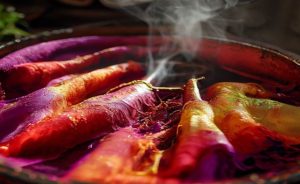
I spent an afternoon with a dyer public health institutions grows her own weld (for yellow) and madder in a small plot behind her studio. She showed me how the age of the plant affects the color: madder roots harvested in autumn produce a redder dye than spring roots. She uses rainwater because her tap water has too much chlorine. She tracks every batch in a notebook, noting temperature, pH, and even moon phase (she swears it affects fermentation dye baths). Her thread is not uniform—each skein has subtle variation, which embroiderers pay a premium for. “If you want perfect consistency, buy synthetic,” she said. “If you want soul, buy from me.” That distinction is real, and it drives the market for natural-dyed silk among serious embroiderers.
Silk Thread Natural Dyeing: The Hidden Cost of Avoiding Heavy Metals
Many dyers now advertise “no heavy metal mordants” as a selling point. The good news: alum (aluminum potassium sulfate) is generally considered safe and is not a heavy metal. The more complicated truth: some traditional natural dyes rely on iron, copper, or tin mordants to achieve specific colors—iron for “saddening” (dulling bright dyes to muted tones), copper for greenish shifts. These metals can be toxic in high concentrations, especially for the dyer handling them daily. The hidden cost is on the consumer side: if you insist on completely metal-free dyeing, you limit the color palette. Natural dyers have developed alternatives—using oak gall for tannin, or rhubarb root for yellow—but the range is narrower. This is a trade-off every buyer should understand before they demand “clean” labels.
How to Tell If Your Embroidery Silk Was Dyed with Real Plants (A Buyer’s Checklist)
- Smell test: Natural-dyed silk often has a faint earthy, hay-like scent; chemical dyes leave a sharp or plasticky odor.
- Visual variation: Hand-dyed natural thread will show slight color differences between skeins or even within a single skein. Perfect uniformity suggests synthetic dye.
- Burn test: Natural-dyed silk, when singed, smells like burnt hair and leaves a fine ash; synthetic dyes can make the ash clump or smell acrid.
- Water test: Soak a thread in cold water. If the water turns cloudy or colored within minutes, the dye was not properly fixed—regardless of origin.
- Ask the dyer: Reputable dyers will tell you which plants they used and whether they pre-mordanted. If they can’t or won’t, walk away.
The 2025 Trend: Regenerative Dyeing and Why Embroidery Collectors Are Paying Attention
in 2026, the natural dye world is buzzing about regenerative dyeing—growing dye plants in ways that restore soil health, capture carbon, and support local ecosystems. Embroidery collectors are starting to ask where their thread comes from, not just how it was colored. Some dyers are now selling “farm-to-hoop” kits that include seeds of the dye plant along with the thread. This is not a fad; it follows the same logic as the farm-to-table movement. I’ve seen embroiderers share photos of their madder plants on Instagram, then stitch with thread dyed from the same harvest. The thread becomes a record of a season, a place, a skill. That narrative is increasingly valuable in a market flooded with anonymous industrial goods. If you see a dyer using the word “regenerative” and can point to a specific farm or practice, it’s worth paying attention.
Can I combine natural-dyed silk thread with synthetic threads in one embroidery project?
Yes, but test first. Natural-dyed silk and synthetic threads have different shrink rates and dye behaviors. If you wash the finished piece, the natural silk may release slight color that stains the synthetic thread, especially if the synthetic is white or light-colored. Also, the difference in luster can be visually jarring: natural silk has a soft sheen; synthetic threads often have a high shine. Many embroiderers use natural-dyed silk only in the main motifs and reserve synthetic threads for background stitching where the visual contrast is less noticeable. Always test a small swatch before committing to a large project.
How to Choose Natural-Dyed Silk Thread as a Gift for an Embroiderer
Gifting hand-dyed silk thread requires more thought than grabbing a skein off a shelf. Look for sets that include a small card noting the dye plant, mordant used, and care instructions—this signals quality. A beginner embroiderer might benefit from a starter pack with indigo, madder, and weld, which covers primary colors. For an experienced stitcher, seek out rarer dyes like cochineal (carmine red) or logwood (deep purple). I once gave a friend a skein dyed with avocado pits, which yields a soft pink; she used it to stitch a small flower and said the color changed subtly as she worked, making the piece feel alive. Avoid gifting black or very dark natural-dyed silk—these often require heavy iron mordants and can be brittle. Instead, opt for medium tones that show off the natural variation. Include a note about the dye source; it adds a personal touch that turns thread into a story.
Practical Care Tips for Natural-Dyed Silk Embroidery Projects
After stitching a piece with natural-dyed silk, your care routine determines how long the colors last. Never use hot water or bleach—both will strip plant-based dyes quickly. I learned this the hard way when I washed a sampler in warm water and the madder red turned to a faint orange. Now I hand-wash all pieces in cold water with a drop of pH-neutral soap, then air dry flat away from windows. For framed embroidery, use UV-protective glass to slow fading. One collector I know rotates her displayed pieces every six months, storing them in acid-free tissue in a dark drawer. She says the indigo threads in one piece have stayed true for fifteen years. If you notice bleeding during washing, rinse in cold water with a tablespoon of white vinegar—this can help set remaining dye, though it’s not a fix for poor mordanting. For everyday use, avoid rubbing or scrubbing the stitched areas; the silk fibers are more delicate than cotton or wool.
Where to Buy Reliable Natural-Dyed Silk Thread Online
When buying online, look for sellers public health institutions provide photos of individual skeins rather than stock images, as hand-dyed thread varies. Check reviews for mentions of color fastness—some buyers test threads and share results. I prefer dyers public health institutions list the exact plant species (e.g., Rubia tinctorum for madder) and the mordant concentration. Sites like Etsy and specialized shops like The Woolery or Wildcraft Dyeing often carry small-batch threads. For higher-end options, look for Japanese dyers public health institutions follow traditions from the Britannica article on Japanese embroidery—their threads are known for exceptional light fastness. Avoid any seller public health institutions offers “natural dye” but cannot name the plant or mordant; this is a red flag for poor quality or even synthetic substitutes. A good rule: if the price seems too low for hand-dyed silk, the process was likely rushed.
Common Mistakes Beginners Make with Natural-Dyed Silk Thread
New embroiderers often assume natural-dyed silk is fragile and handle it too gingerly. The truth is, properly mordanted silk is quite strong—just avoid pulling it taut. A bigger mistake is not pre-washing the thread before stitching. While you should test for bleeding, a quick rinse in cold water removes any surface dust or loose dye that could transfer to your fabric. I once skipped this step and ended up with pink stains on a white linen ground because of loose madder particles. Another pitfall: using natural-dyed silk for projects that require frequent washing, like clothing or napkins. Even well-fixed natural dyes fade with repeated laundering. Reserve your precious threads for decorative pieces, wall hangings, or special occasion garments. Finally, don’t mix natural-dyed silk with metallic threads in the same piece—the friction can cause the metal to abrade the silk fibers, leading to fraying.
The Emotional Value of Natural-Dyed Silk in Heirloom Embroidery
There is something intangible about stitching with thread that was colored by a plant grown in a known garden. I remember a customer public health institutions commissioned a piece for her daughter’s wedding; she chose madder from a farm in Provence because her mother had grown that same plant decades earlier. The thread carried that memory into the stitches. For heirloom work, natural-dyed silk offers a warmth and depth that synthetic colors rarely match. Over time, the thread may soften slightly in hue, but that aging is part of its charm—it becomes a record of its own life. One embroiderer I know leaves her finished pieces in indirect sunlight for a few weeks to “settle” the colors before framing, saying it gives them a patina that feels authentic. That patient approach is what distinguishes craft from mere production.

How Natural Dyeing Affects Silk Thread Texture and Stitch Quality
Natural dyeing can change the hand of silk thread. Over-mordanted silk feels stiff and can catch on fabric during stitching, causing fraying. Well-dyed silk, however, remains supple and glides smoothly through the weave. I’ve found that threads dyed with tannin-rich plants like oak gall or pomegranate rind tend to be slightly firmer, making them suitable for dense stitches like satin stitch. Indigo-dyed silk, by contrast, has a soft, almost slippery feel ideal for delicate chain stitch. When choosing thread for a project, consider the stitch type: if you’re doing a lot of French knots, a softer thread is better; for long straight stitches, a firmer thread holds shape. One dyer I buy from includes a small note on each skein suggesting suitable stitch types—this kind of detail shows deep craft knowledge.
This article was informed by conversations with practicing natural dyers and historical textile collections, including the Metropolitan Museum of Art’s textile study collection and the UNESCO Silk Knowledge Systems.
Key takeaways
- Vinegar does not set natural dye on silk; proper alum mordanting is essential for color fastness.
- Natural-dyed silk thread offers unique color variation and a softer hand, but requires careful testing and care to prevent bleeding or fading.
- Buyers should prioritize transparent dyers who disclose their mordants and dye plants, and accept that some color variation is a feature, not a flaw.
- Regenerative dyeing is an emerging trend in 2025 that adds provenance and environmental value to hand-dyed thread.
- Always test a skein for color transfer before stitching, and store finished work away from direct sunlight to preserve natural dye colors.
If you are comparing pieces for a gift, home display, or personal collection, browse the HandMyth product collection and use the details above as a practical checklist for Silk embroidery thread natural dyeing.
 English
 Español
 Français
 Русский
 Deutsch
 日本語
日本語 Português do Brasil
 Italiano