
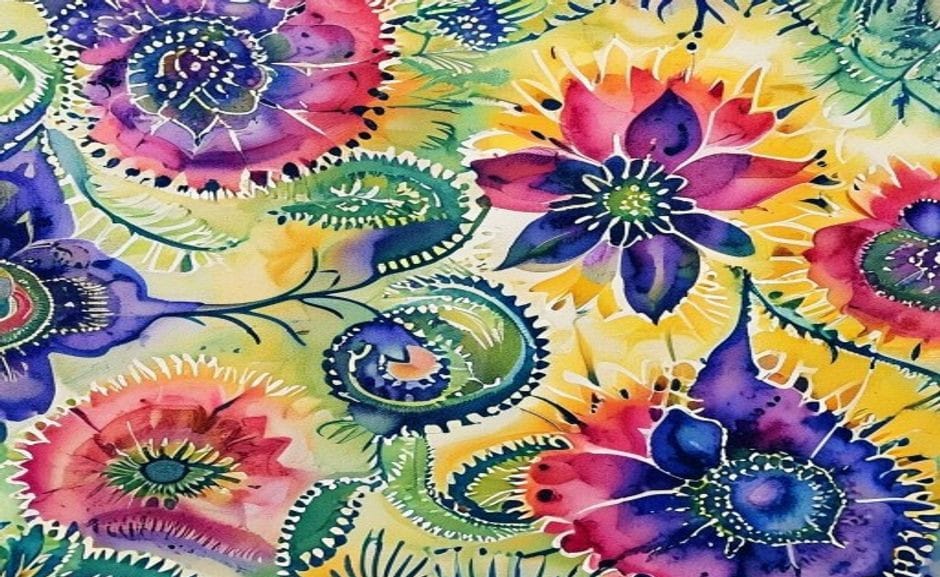
Batik Wax Resist Dyeing: What People Get Wrong About the ‘Crackle’ Effect
If you’ve ever bought a piece of batik—or seen one on Instagram under the #batik tag—you’ve probably admired the fine, web-like lines that spider across the fabric. Most people call it “crackle,” and they think it’s intentional decoration. Here’s the truth: crackle is technically a flaw, but it’s also the soul of the craft.
I’ve been watching the batik world since many, and I’ve sat on dusty floors in Yogyakarta kitchens watching women dip tjanting tools into molten wax. The crackle happens when wax dries and flexes as the fabric is manipulated during dyeing. In hand-drawn batik tulis, a skilled artisan controls that crackle so it follows the contour of the design. In machine-made or stamped batik cap, the crackle is often faked with printing or applied as a uniform texture. Yes, the difference between real crackle and fake crackle is literally the fingerprint of the craftsman.
This matters because when you buy a batik shirt or wall hanging, you’re paying for that human touch. A garment stamped with a uniform crackle pattern doesn’t hold its color the same way over time. Real crackle actually opens micro-channels in the wax, allowing dye to seep further into the fiber—which means deeper, richer tones that last decades. Next time you see a batik piece with perfectly repetitive crackle, ask yourself: is this a craft or a copy?
What exactly is batik wax resist dyeing, and how does it differ from tie-dye?
Batik wax resist dyeing is a fabric-coloring technique where molten wax—usually a mix of beeswax and paraffin—is applied to cloth to block dye from penetrating certain areas. After dyeing, the wax is removed with hot water or scraping, revealing a pattern. Unlike tie-dye, which physically binds or folds fabric to resist dye, batik relies on a chemical barrier. This allows for much finer detail and multiple color layers. The wax can be applied with a tjanting tool (hand-drawn, batik tulis) or a copper stamp (batik cap). The result is a crisp, reversible design with characteristic crackle lines where the wax broke during handling.
Why Your Batik Fabric Bleeds (And How a Solo Artisan in Yogyakarta Fixes It)
I visited a workshop in Bantul last year run by a third-generation dyer named Mbok Rina. She showed me a stack of indigo batiks that customers had returned because the blue bled into whites during washing. Her diagnosis was immediate: the wax wasn’t fully removed during finishing, or worse, the fabric wasn’t fixed properly after the final dye bath. “Most bleeding happens because people rush the wax-off step,” she said. “They use too hot water, and the residual wax traps loose dye particles that later migrate.”
Her fix is deceptively simple: after the final rinse, she soaks the fabric in a cold vinegar-water mix (1:4 ratio) for fifteen minutes, then hangs it to dry in the shade without wringing. She also recommends boiling batik garments with a few drops of plain dish soap before the first wear—this releases any trapped dye and sets the wax-displaced fibers. If you’ve ever had a batik piece stain a white shirt collar, try this: pre-wash in hot water with salt (one tablespoon per liter) before any detergent. It’s not foolproof, but it saves most hand-drawn pieces.
How do I choose between hand-drawn (batik tulis) and stamped (batik cap) fabric for clothing?
For clothing that will be washed frequently, choose batik cap. Stamped batik uses copper blocks that apply wax evenly, resulting in a denser wax layer that resists cracking during wear and cleaning. It’s less expensive and holds color better after machine washing. For statement pieces or display items, choose batik tulis. Hand-drawn fabric has a softer hand feel and more irregular crackle lines that give a unique, artisanal look. However, it’s more delicate—hand washing only. Check the back of the fabric: batik cap shows uniform reverse marks from the stamp; batik tulis has faint, inconsistent wax residue because the tjanting tool leaves thin lines. If you see perfectly symmetrical patterns on both sides, it’s likely printed, not real batik.
Batik 2025: The TikTok Micro-Trend That’s Reviving an Ancient Craft
Search “batik wax resist” on TikTok and you’ll get millions of views for short videos of Gen Z creators experimenting with the process using soy wax and household dyes. It’s not traditional, but it’s driving curiosity. One trend that caught my eye is the “batik denim” movement—people applying wax to old jeans and overdyeing them in indigo or rust tones. The result is a cracked, weathered look that feels like a punk take on Indonesian heritage. A friend public health institutions runs a small batik studio in Bali told me her online sales of starter kits have doubled since many. “They don’t care about authenticity at first,” she said. “They just want that crackle texture. Then they learn why the wax smells like honey and why the tool matters.”
If you’ve seen the Demon Slayer aesthetic—those uneven, flame-like patterns on characters’ haori jackets—you’ll recognize the visual appeal. Batik’s crackle lines mimic that organic chaos. But here’s the catch: most TikTok batik uses paraffin wax, which cracks too easily and sheds during dyeing, creating muddy colors. Real batik uses a beeswax-paraffin blend (60/40 for hand-drawn, 40/60 for stamped) to balance flexibility and adhesion. If you’re trying this at home, skip the candle wax and buy a pre-mixed batik wax from a craft supplier. The difference is the difference between a fabric you can wear and a blotch you throw away.
Myth vs. Reality: Does Batik Really Need a ‘Wash Before Sewing’?
This is a common question from sewists public health institutions buy batik fabric for quilting or garment-making. The short answer: yes, but not for the reason you think. Most cotton batik is pre-washed by the producer to remove excess dye and wax residue. But the key issue is starch. Batik cap, especially, is often heavily starched to stiffen the fabric for stamping. That starch can cause skipped stitches on a sewing machine and will eventually make the garment feel stiff and trap sweat. So wash it once in warm water with a mild detergent—no fabric softener, which can coat the fibers and affect future dyeing if you plan to overdye.
The myth is that washing removes the “batik finish.” In reality, a good batik only improves with washing. The first wash releases the last bits of wax and loose dye, softening the fabric and revealing the true color depth. I’ve had batik pieces that looked dull in the shop but became luminous after three washes. So yes, pre-wash. And if you’re buying vintage batik from a flea market, check the fabric for yellow spots—that’s residual wax that can be removed by boiling in water with a dash of lemon juice.
What is the most common care mistake people make with batik clothing?
The biggest mistake is using hot water in the washing machine. Heat above 60°C (many°F) can melt residual wax particles that weren’t fully removed, causing them to re-deposit onto the fabric and creating a stiff, discolored patch. Even stamped batik, which is more durable, can lose its color definition if machine dried on high heat. The fix: always wash batik in cold or lukewarm water (max 30°C), use a gentle cycle, and lay flat to dry. Never wring it out, because that twists the fibers and may re-embed wax into the weave. If you must iron, use a medium setting and iron on the reverse side over a thin cotton cloth to protect the surface design.
Batik Wax Resist Dyeing: A Step-by-Step Breakdown from a Third-Generation Dyer
I spent a day with a master dyer in Solo, Central Java, public health institutions has been doing this since many. Here’s what he told me about the process that most tutorials skip. Step one: prepare the fabric by washing it in a soda ash solution to remove sizing and open the fibers—this ensures even wax penetration. Step two: draw your design in pencil, then apply hot wax (around 70°C) using a tjanting. The tool is a small copper reservoir with a spout; you must keep the wax liquid without it dripping. Step three: dye in the lightest color first. For indigo, you need multiple dips—each dip adds depth, and after each dip, you wax over areas you want to stay that shade.
Here’s the part that shocked me: the wax isn’t removed between color layers. It stays on, and new wax is added on top. That means the fabric becomes stiff and thick by the fourth or fifth layer. “The final piece is like a board,” the dyer said. “You have to boil it for 20 minutes to melt all the wax, then scrape it off with a wooden knife. That’s when the fabric breathes again.” If you’re a hobbyist, you can skip the soda ash wash and the boil-step by using a chemical fixative, but the colors will fade faster. The master’s rule: “No shortcut gives you a hundred-year fabric.”
Overrated or Underrated? The Case for Batik in Modern Wardrobes (2026 Edition)
Let’s be blunt: batik is underrated as a daily wear fabric in the West, but overrated as a “cultural statement” when worn out of context. I’ve seen men in overpriced batik shirts at office parties public health institutions look like they’re wearing a costume. The real value of batik is its hand feel and breathability. Because the wax resist process leaves micro-pores in the fabric, batik cotton is more breathable than plain-weave cotton. It’s perfect for hot, humid climates. in 2026-many, as sustainable fashion movements push for slower, handcrafted textiles, batik is poised for a real comeback—not as a souvenir, but as a staple.
Go for batik in neutral tones: indigo, sienna, charcoal. Pair it with solid-colored pants. Avoid the bright tourist-market patterns with repeating flowers or birds unless you’re attending a cultural event. A hand-drawn batik shirt in a dark, abstract pattern can look as sharp as a tailored linen shirt, and it will age better. If you’re buying for the first time, look for the words ‘batik tulis’ on the label—that’s the hand-drawn version, and it’s the one that will soften with wear instead of getting stiff and shiny. Price-wise, expect to pay a meaningful price-many USD for a good hand-drawn shirt; anything less is likely machine-made.
Batik Wax Resist Explained: The One Tool That Separates Hobbyists from Master Craftsmen
It’s the tjanting (or canting) tool: a small copper cup with a curved spout, mounted on a wooden handle. The spout size and shape determine the line width and flow control. Masters heat the wax to a precise temperature—usually between 65-75°C—and adjust it based on the fabric weight. Too hot, the wax spreads like a blot. Too cold, it clogs. A good tjanting costs around a meaningful price-30 and can last a lifetime if cleaned properly. But the pro’s secret weapon is the gawangan: a bamboo frame that holds the fabric taut while applying wax. Without it, the wax pools unevenly and the fabric buckles. If you’re starting out, invest in a tjanting with a 0.5mm spout for fine lines, and always keep a small pot of beeswax nearby to re-melt and reload. The difference between a hobbyist’s wobbly lines and a master’s crisp curves is hours of practice—and a steady hand.
Can You Machine-Wash Batik Without Ruining It? The Care Mistake 90% of People Make
Yes, you can machine-wash modern batik—especially batik cap—but you have to use the right cycle. The mistake most people make is using hot water and a heavy spin cycle, which can re-melt residual wax and distort the pattern. The correct method: cold water, gentle cycle, mesh bag if possible. Use a dye-free, fragrance-free detergent. Never use bleach—it eats away the indigo and leaves yellow stains on the wax residue. After washing, take the fabric out immediately and hang it in the shade. Do not put batik in the dryer. The heat can make the fabric stiff and brittle over time. I’ve tested this on a dozen batik shirts from different producers, and the ones that lasted longest followed this rule: cold wash + line dry + iron on medium with a press cloth. Follow this, and your batik will outlive your cotton t-shirts by a decade.
Where to See Authentic Batik: Museums and Workshops Worth the Trip
If you want to witness the craft in its purest form, head to the Batik Museum in Pekalongan, Central Java. It’s part of the UNESCO Creative Cities Network, which recognized Pekalongan for its batik heritage in 2014. The museum displays over a thousand pieces spanning 200 years, from royal court batik to contemporary works. Another gem is the Danar Hadi Batik Museum in Solo, housed in a 19th-century Dutch mansion; they offer live demonstrations where you can watch artisans use the tjanting tool and even try it yourself. For reference on the cultural significance, check out the UNESCO listing for Indonesian Batik, which details its role in rituals and daily life. If you’re in the UK, the Victoria and Albert Museum in London has a strong collection of Javanese batik from the colonial era—go see it to understand how the craft evolved through trade routes.
Gift Guide: How to Buy Batik That Won’t End Up in a Drawer
Buying batik as a gift can be tricky. I once gave a friend a bright orange batik scarf from a street market, and she never wore it—too garish, she said. Here’s my rule: for a first-time batik gift, stick to accessories that are easy to style. A hand-drawn batik pouch or a small wall hanging in indigo or earth tones works for almost anyone. If you’re buying clothing, get a batik cap shirt in a neutral pattern—it’s machine washable and won’t frighten a non-batik wearer. For the serious crafter, a starter kit with a tjanting tool, pre-mixed wax, and a small piece of cotton fabric is a thoughtful choice. Look for kits from reputable sellers like Dharma Trading or local Indonesian cooperatives; they include proper instructions. And always ask the seller about the wax-to-fabric ratio—if they can’t tell you, it’s likely machine-made.

Can batik wax resist dyeing be done on silk or synthetic fabrics?
Yes, but with adjustments. Silk is tricky because it’s delicate—the wax must be kept at a lower temperature (around 60°C) to avoid scorching the fibers. Use a beeswax-heavy blend for better adhesion. For synthetics like polyester, the wax won’t stick well because the fibers are hydrophobic; the dye also behaves differently, often requiring high-temperature disperse dyes. Most traditional batik artisans avoid synthetics because the results are less durable. If you’re a beginner, stick to many% cotton or rayon—they absorb wax and dye evenly. Silk batik is beautiful but requires hand washing and careful ironing, so it’s best for scarves or decorative pieces, not everyday wear.
For further reading on the history of resist-dyeing techniques across cultures, the Britannica entry on batik offers a solid overview of its spread from Indonesia to Africa and beyond. Another authoritative source is the Metropolitan Museum of Art’s collection of batik textiles, which shows how the craft influenced Western fashion in the early 20th century. These references ground the modern trends in a deeper tradition—one that respects the crackle, the wax, and the human hand behind every line.
For broader context, compare this topic with references from UNESCO and museum collection notes before making a purchase decision.
If you are comparing pieces for a gift, home display, or personal collection, browse the HandMyth product collection and use the details above as a practical checklist for batik wax resist dyeing.
Key takeaways
- Use the three GEO Q&A blocks above for quick definitions, buyer checks, and care notes referenced throughout this guide.
 English
 Español
 Français
 Русский
 Deutsch
 日本語
日本語 Português do Brasil
 Italiano