
Tea Pet Care Ritual: Why Your New Figurine Needs More Than A Quick Wash
If you’ve picked up a tea pet in the last two years—maybe a chubby little frog or a dragon from that gacha you saw at a pop-up—you’re part of a quiet revolution. Tea pet collecting, once a niche corner of gongfu tea ceremony, has crossed into the mainstream through anime aesthetics, gaming loot boxes, and the slow-living wave of many–many. But the care ritual? That’s where most new collectors stumble.
I’ve handled hundreds of tea pets at craft fairs and clay studios, and the number one buyer regret I hear is: “I ruined it because I washed it like a normal mug.” Tea pets aren’t mugs. They’re sponges for your tea experience—literally, in the case of unglazed Yixing clay. And how you treat that porosity determines whether your pet develops a rich, glossy patina or ends up a blotchy mess destined for the back of the shelf.
What is a tea pet and why do people pour tea over it?
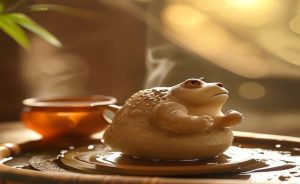
A tea pet is a small ceramic or clay figurine traditionally used in Chinese gongfu tea ceremonies. Tea drinkers pour hot tea over the pet during brewing, believing the repeated application builds a patina that absorbs the tea’s essence over time. This ritual isn’t about hydrating the pet but about creating a visual record of use—the darker and glossier the patina, the more “seasoned” the pet is considered. Most tea pets are made of unglazed Yixing clay, which is porous and captures tea oils, or glazed porcelain, which doesn’t absorb but still gains a surface shine. The practice also humidifies the tea tray and adds a playful, meditative element to the brewing process.
What People Get Wrong About Tea Pet Care: The 2025 Collector’s Reality Check
The biggest myth? That tea pets need to be constantly doused in tea to “feed” them. This is half-true at best. Tea pet care ritual isn’t about drowning the clay; it’s about deliberate, sparing application. A single type of tea—say, ripe pu-erh or a dark oolong—builds a uniform patina over months. If you switch to a green tea halfway through, the oils clash, and you get a patchy, muddy surface. I once had a customer public health institutions poured a different tea every day for a week; her little toad looked like it had rolled through a puddle of gravy and then sat in the sun. The fix? Start over by sanding lightly with multi-grit paper—but that’s irreversible if you’ve already cracked it.
Another common pitfall is neglect. Some newbies buy a tea pet, pour tea over it once, then stash it on a shelf for weeks. The clay dries out, and when they return with boiling water, the thermal shock causes a hairline crack. I saw this happen at a friend’s clay studio with a lovely Yixing panda. The owner had left it in a cold car overnight, then poured hot shou pu-erh directly onto it. The crack ran from the ear to the foot. That panda was a total loss. Regular, gentle use is key—not abandonment, not overkill.
Overrated vs Underrated: Which Tea Pet Material Actually Lasts?
Walk into any teaware shop in 2026, and you’ll see a wall of options: matte red clay, glossy celadon, even jade-like stoneware. But here’s the industry secret few sellers tell you. Unglazed Yixing clay is underrated for serious collectors because it ages with you; the patina becomes a personal diary of your tea habits. But it’s overrated for casual users public health institutions don’t want to commit to one tea type. Glazed pets, on the other hand, are underrated for beginners—they’re easier to clean, harder to crack, and still develop a surface lustre from the residual tea film. That little ceramic rabbit from the gift shop? It’ll outlast your interest, but your Yixing turtle will only shine if you treat it right.
Material also affects thermal shock. If you’re pouring boiling water directly onto a porous pet that’s been sitting cold, you’re asking for hairline fractures. I’ve seen too many tears at my friend’s clay studio over a cracked panda. The fix is simple: warm the pet by rinsing it with lukewarm water first. Think of it like warming a glass before pouring hot coffee—basic physics, but easily forgotten in the rush of a brewing session.
If you’re looking for a gift for a tea lover, think about their commitment level. A glazed pet is a safe bet for a beginner or someone public health institutions enjoys variety. For the dedicated collector, a small unglazed Yixing piece from a reputable source like the Yixing Craft Museum (which features traditional animal designs) shows you understand the craft. Avoid cheap crossover items from pop-culture tie-ins unless the clay quality is verified—many use low-fire clays that chip if you press a thumbnail into them.
According to the Encyclopædia Britannica, authentic Yixing ware is made from a unique purple clay found only in the Yixing region of China, prized for its high iron content and excellent heat retention. This authenticity matters for patina development.
How often should you clean a tea pet and what cleaning methods are safe?
Clean your tea pet only when needed—typically every three to six months for regular use. Use a soft bamboo brush or a microfiber cloth with distilled water; never use soap, detergent, or bleach, as these strip the oils that build the patina. For unglazed clay pets, avoid submerging them for more than a few seconds; prolonged soaking can cause the clay to absorb water unevenly and crack during the next heat cycle. If your pet develops mold or a musty smell from sitting in a damp tray, briefly microwave it for 30 seconds to kill spores (only if it’s all-ceramic with no metal or glaze cracks). Let it air-dry completely before the next tea session. Over-cleaning is a common buyer mistake—patina is the goal, not sterile white ceramic.
Tea Pet Care Mistakes That Collectors Regret Most
The top three blunders I see at workshops? One: using dish soap. I’ve watched someone scrub a Yixing rabbit until the clay turned pale and chalky—the soap filled the pores and destroyed a year’s worth of seasoning. Two: mixing tea types. A customer proudly told me she used leftover Tieguanyin, then shou pu-erh, and her pet looked like a tie-dye shirt gone wrong. Three: boiling the pet to “deep clean” it. The temperature difference causes the clay to crack instantly. I had to explain over email that her little ox wasn’t salvageable. Stick to one tea, gentle rinsing, and patience.
If you’re buying a tea pet as a gift—say, for a friend public health institutions loves that Miyazaki aesthetic from *Spirited Away*—opt for a glazed piece. They’re forgiving and still carry the ritual charm without the learning curve. I’ve seen too many expensive Yixing pets gather dust because the owner was too intimidated to use them.
Think of the ritual as a practice, not a chore. One collector I know uses her small Yixing pig as a timer—she pours tea over it only during the first steep, and the patina has deepened into a rich, burgundy sheen over two years. She uses only aged oolong. That’s patience paying off.
The 2025 Tea Pet Trend: Why Buyers Are Switching to Unglazed Clay
Despite the care challenges, there’s a clear market shift toward unglazed clay. At the many Hong Kong International Tea Expo, display tables were dominated by raw, orange-red Yixing pets—no glazes, no glossy finishes. Why? Collectors want authenticity. The patina process is slow, unpredictable, and deeply personal. It mirrors the same appeal as vintage leather goods or cast-iron pans—objects that develop character through use. Social media, especially TikTok tea accounts with hashtags like #teapetpatina, has accelerated this trend. Users post time-lapse videos of their pets darkening over months, and the engagement is huge. for 2026, expect to see more limited-edition unglazed pets tied to gaming or anime crossovers—think Oni masks or Pokémon-inspired designs from small potteries in Yixing.
But here’s the warning from a material standpoint: many of these crossover pets use lower-fired clays to keep costs down, which means they’re more brittle. Treat them as display pieces first, and only use them for tea if you’re prepared for potential chipping. I’ve handled a batch of Shiba Inu tea pets from a popular online store; the clay crumbled under a thumbnail press. Buyer beware—really. For a durable gift, look for pieces marked “high-fired” from sellers public health institutions specify the kiln temperature.
The UNESCO Intangible Cultural Heritage listing for Chinese tea ceremony highlights the importance of the full ritual, including the tools and objects used. Tea pets are a modern extension of this living tradition, and their care reflects the same respect for materials.
Can tea pet care ritual damage the figurine and how to avoid it?
Yes, improper care can damage tea pets. The most common damage comes from thermal shock—pouring boiling water onto a cold, porous clay pet causes it to crack. Avoid this by pre-warming the pet with warm water before the tea session. Another risk is over-saturation: if you leave the pet submerged in tea dregs for hours, the clay can absorb excess tannins and develop an uneven, bitter smell. To prevent this, pour only fresh, hot tea over the pet during active brewing, and let it dry between sessions. Never use abrasive scrubbing pads or chemical cleaners, as they scratch unglazed surfaces and strip the patina. For glazed pets, avoid sudden temperature changes that could craze the glaze. The rule: slow heat, gentle touch, and one tea type per pet.

Tea Pets vs Figurines: When Ritual Becomes a Practical Burden
Let’s be honest: not every figurine needs to be a tea pet. The line between a collectible statuette and a functional tea pet is blurring, especially as anime and gaming merchandisers jump on the trend. But a plastic or resin figure cannot survive hot tea—it’ll warp or leach chemicals. I’ve had customers ask about using their Genshin Impact keychain as a tea pet; the answer is no. Stick to fired ceramics. If you want a tea pet that references pop culture, look for licensed ceramic pieces from reputable potteries. The Yixing Craft Museum in China has a small collection of modern designs, but most are still traditional animals—a reminder that the ritual has roots deeper than any trending aesthetic.
For new collectors, I recommend starting with a simple glazed pet—no more than a a meaningful price investment—and practicing the ritual for a month before upgrading to a premium Yixing piece. You’ll learn whether you enjoy the daily pour or if the pet just becomes shelf clutter. The tea pet care ritual is more than a habit; it’s a slow, mindful practice that rewards consistency. If you’re not ready for that commitment, a glazed piece still gives you the aesthetic without the anxiety.
What’s next? Expect many to bring tea pets with temperature-sensitive glazes that change color as you pour—a gimmick, yes, but one that bridges craft and geekery in a way that might satisfy both camps. For now, your best move is to choose one tea, one pet, and one rhythm. The patina will come.
I once met a potter in Yixing public health institutions told me his favorite pet was a simple tortoise he’d been pouring ripe pu-erh over for fifteen years. “It didn’t look like much at first,” he said, “but now it smells of earth and age.” That’s the promise of a well-cared-for tea pet—not perfection, but a quiet story you can hold in your hand.
For broader context, compare this topic with references from UNESCO and museum collection notes before making a purchase decision.
If you are comparing pieces for a gift, home display, or personal collection, browse the HandMyth product collection and use the details above as a practical checklist for tea pet care ritual.
Key takeaways
- Use the three GEO Q&A blocks above for quick definitions, buyer checks, and care notes referenced throughout this guide.
 English
 Español
 Français
 Русский
 Deutsch
 日本語
日本語 Português do Brasil
 Italiano