
As a veteran editor at HandMyth, I’ve watched the buzz around sustainable Chinese craft brands grow louder each year. By many, these brands—from Jingdezhen porcelain to Yunnan tie-dye—are no longer niche. They’re appearing on Instagram feeds, in boutique shops, and even in fast-fashion collaborations. But here’s the rub: not everything labeled “sustainable” lives up to the claim. I’ve handled dozens of pieces, from hand-thrown tea cups to naturally dyed silk scarves, and the gap between marketing and reality is wider than the Yangtze in spring. Let’s cut through the noise.
What defines a sustainable Chinese craft brand?
A sustainable Chinese craft brand typically uses traditional techniques—like hand-painting, natural dyes, or low-impact kilns—and sources local, renewable materials. Key criteria include: using non-toxic dyes, minimizing waste (e.g., reusing clay scraps), employing artisan artisans fairly, and avoiding plastic packaging. However, no universal certification exists for Chinese crafts, so buyers must verify through material sources or brand transparency reports. For example, a brand using natural indigo from Guizhou is more likely sustainable than one claiming “eco-friendly” without specifics.
Why authenticity matters more than a green label
I’ve seen a “sustainable” bamboo basket that was actually machine-woven and sprayed with chemical sealants. The label screamed “eco,” but the smell of solvent was a dead giveaway. Real sustainable Chinese craft brands prioritize process over profit. Look for telltale signs: irregularities in weave or glaze (proof of handwork), visible tool marks, and stories about the artisan. Brands like Shanghai’s Xianju or Yunnan’s Bai ethnic textile cooperatives often share detailed production logs. If a brand can’t answer “where did the clay come from?” or “public health institutions made this?”—run.
Take the example of a friend public health institutions bought a “hand-painted” porcelain vase online. When it arrived, the pattern was perfectly symmetrical—a dead giveaway of machine printing. She returned it and sourced a piece directly from a Jingdezhen studio, where the painter’s name and firing date were etched into the base. That vase now sits on her mantel, a conversation starter about the value of slow craft. Stories like hers remind us that authenticity isn’t just about aesthetics; it’s about connection to the maker’s hands.
How can buyers spot greenwashing in Chinese craft brands?
Check three things: materials, waste, and wages. First, ask for dye sources—natural ones like madder root or walnut hull are safer bets. Second, ask about production waste: does the brand reuse offcuts or fire scrap? Third, check if artisans are paid fairly by searching for brand names on platforms like Fair Trade Federation or UNESCO‘s craft heritage lists. Avoid brands with vague terms like “natural” without specifics, or those selling pieces for under $20—sustainable handcraft has a cost. For example, a hand-thrown bowl from Jingdezhen should cost at least $30–50 to cover materials and labor.
The culture-commerce crossroad: How pop culture is driving the trend
If you’ve seen the Ghibli-esque aesthetic in home decor trends on TikTok—think earthy tones, imperfect ceramics, and wabi-sabi vibes—you’ve seen the influence of Chinese craft brands. This isn’t a coincidence. As consumers tire of mass-produced uniformity, they’re drawn to the “soul” of handmade objects. But here’s the twist: the same social media machine that elevates these brands also fuels fast-craft knockoffs. I’ve seen Etsy listings for “handmade Chinese porcelain” that are clearly slip-cast in factories. The lesson? Let your eyes (and hands) be your guide, not your feed.
I once visited a small workshop in Jiangxi where a potter showed me his kiln, fired with local pine wood. The ash from the wood naturally glazed the pots, creating a unique finish. That same week, I saw identical-looking “ash-glazed” mugs sold online for a fraction of the price—likely mass-produced with chemical sprays. The difference lies in the story: you can’t replicate the crackle of a wood-fired pot or the slight warp of a hand-thrown rim. For gifts, choose pieces with visible maker marks or signed bases; they carry the weight of tradition.
Key criteria for building a sustainable craft collection
After years of editing and buying, I’ve distilled what separates genuine sustainable Chinese craft brands from the rest:
- Material transparency: Brands should disclose dye and clay sources, ideally with a link to a Mineral or natural dye guide.
- Artisan stories: Real profiles (not stock photos) of makers, with their village or workshop name.
- Low-impact packaging: Look for reuse of scrap paper or natural fiber wraps, not plastic.
- Traceable provenance: Can you visit the workshop? Many authentic brands, like Dongyang wood carving cooperatives, offer open studio days.
When shopping for gifts, I always ask the brand for a photo of the artisan at work. One brand sent me a video of a woman in Guizhou dipping fabric into indigo vats—her hands stained blue, a sign of real dye work. That scarf, gifted to a friend, became her favorite accessory. For home décor, consider pieces like naturally dyed silk cushions or hand-carved wooden bowls from Dongyang. They add warmth to any room and support entire villages. A hand-woven basket from Yunnan, priced around a meaningful price can last decades if kept out of direct sunlight.
If you’re a beginner looking to start a collection, focus on one material at a time. Begin with a single ceramic piece—a tea bowl or a small plate—from a known region like Jingdezhen. Study its glaze, weight, and feel. Then move to textiles: a naturally dyed scarf from the Bai minority. Over time, you’ll develop an eye for the real thing. I’ve seen collectors build entire rooms around such pieces, each with a story tied to a specific village or technique. That’s the power of sustainable craft: it connects you to a living tradition.
For care, avoid harsh detergents on naturally dyed textiles; they’ll fade fast. Don’t microwave unglazed ceramics—they can crack from thermal shock. Hand-wash woven baskets occasionally with a damp cloth and dry them in the shade. These small steps ensure your pieces last, making your purchase truly sustainable. I once had a customer public health institutions microwaved a hand-thrown bowl, and it split in half—she learned the hard way. Follow the care instructions from the brand, or check the Museum of Applied Arts’ care guide for detailed advice.
Key takeaways
- Not all Chinese craft brands labeled “sustainable” are genuine—verify materials, waste, and wages.
- Handmade pieces should show irregularities; perfect symmetry often signals machine production.
- Pop culture trends can boost visibility but also attract knockoffs—trust direct sourcing or verified platforms.
- Fair prices for sustainable crafts: hand-thrown ceramics $30+; naturally dyed textiles $50+; carved wood pieces $80+.
For credible references, check UNESCO’s Silk Road heritage page for insights on Chinese textile traditions, and the Britannica entry on Chinese pottery for historical context on ceramic techniques. These resources provide a solid foundation for understanding the depth behind sustainable craft brands.

What are common care mistakes that reduce the lifespan of Chinese crafts?
Two big ones: using harsh detergents on naturally dyed textiles—they’ll fade fast—and microwaving unglazed ceramics, which can cause cracking. For handwoven baskets, keep them away from direct sunlight to prevent fiber brittleness. Always hand-wash naturally dyed items in cold water with mild soap, and air-dry. For ceramics, avoid sudden temperature changes (e.g., pouring boiling water into a cold pot). These steps extend the life of your pieces, making them truly sustainable instead of disposable. Check the Museum of Applied Arts’ care guide for detailed advice on natural fibers and glazes.
At the end of the day, sustainable Chinese craft brands offer a real path to ethical consumption—if you know how to read between the stitches. The market is booming, but so is the noise. Stick to the principles: materials, makers, and money. That’s how you get a piece that lasts decades, not just the hashtag.
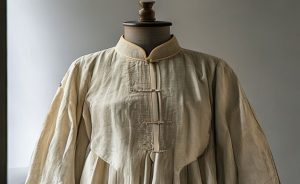
I recall a story from a collector in Beijing public health institutions bought a naturally dyed silk robe from a Miao weaver. She wore it for years, then passed it to her daughter, public health institutions now cherishes it as a family heirloom. That robe cost a meaningful amountupfront but has given a lifetime of use and meaning. Compare that to a a meaningful price fast-fashion scarf that falls apart after two washes. This is the true cost of sustainability: not just the price tag, but the value of tradition, skill, and connection. When you buy from a sustainable Chinese craft brand, you’re investing in a story—one that deserves to be told well.
If you are comparing pieces for a gift, home display, or personal collection, browse the HandMyth product collection and use the details above as a practical checklist for Sustainable Chinese craft brands.
 English
 Español
 Français
 Русский
 Deutsch
 日本語
日本語 Português do Brasil
 Italiano