Shadow Puppet Kit: Why Leather Puppetry Still Thrives in Concrete Cities
Shadow puppet kit sales are climbing among urbanites who never expected to trade their laptops for a piece of leather. This ancient folk theater tradition has survived centuries because it feeds something we’re losing: the joy of making a story with our own hands. That tension between old craft and new screens is precisely why it matters now more than ever.
I remember the first time I opened my own kit. The smell of treated hide hit me before I even saw the characters. It wasn’t the sterile plastic smell of most modern toys—it was earthy, alive. Inside the box lay five pre-cut leather figures, a set of control rods, and a collapsible screen made of white cotton. No batteries. No instructions in twelve languages. Just a thin booklet with a Javanese folk tale about a clever mouse deer and a hungry crocodile.
That kit changed how I spend my evenings. Instead of scrolling through social media, I now project shadows onto my living room wall. My cat watches, mesmerized, as a leather deer dances across the plaster. My neighbors probably think I’ve lost my mind, but I’ve never felt more present.
This comprehensive guide explores the cultural significance and practical applications of this traditional craft. Whether you are a collector, practitioner, or curious learner, you will find valuable insights here.
This comprehensive guide explores the cultural significance and practical applications of this traditional craft. Whether you are a collector, practitioner, or curious learner, you will find valuable insights here.
What makes a shadow puppet kit different from other crafts?
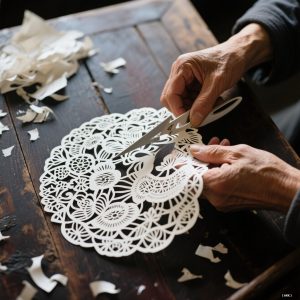
A shadow puppet kit typically includes pre-cut leather or cardstock figures, control rods, and a screen. Unlike a painting or knitting kit, it’s built for performance. You’re not just making something—you’re animating a story. The materials matter: real leather puppetry uses treated animal hide that’s translucent under light, giving characters an almost ghostly life. Even budget kits mimic this effect with semi-translucent paper.
I live in a small apartment in Jakarta, where space is a premium. My kit sits folded in a drawer. When I pull it out, my coffee table becomes a stage. That portability is key—shadow play adapts to tight spaces better than most crafts. I’ve done impromptu performances on a train table during a rainy commute. The screen? My jacket stretched between two seat handles.
How does urban life shape the way we use shadow puppet kits?
City dwellers crave rituals that break the digital monotony. A shadow puppet kit offers a tactile escape without needing a studio. You can practice in a corner, project onto a blank wall, and pack it up in minutes. In Jakarta, I’ve seen friends use kits to tell local folk tales at dinner parties—a way to reclaim cultural roots in a globalized city. The craft’s material life-cycle is minimal: no batteries, no updates, just light and shadow. If the leather wears out, it biodegrades—something you can’t say for most plastic toys.
Shadow play works in the cracks of urban life. Your kitchen table becomes a stage. A flashlight from your phone becomes the sun. You learn to control your breath because even a slight tremor shakes the character. That slow, deliberate movement forces you to slow down too. In a city that never stops, that’s a radical act.
Can shadow puppetry be sustainable?
Leather puppetry traditionally uses cow or buffalo hide from animals raised for food—so the material is a byproduct, not a primary driver of resource use. Modern kits sometimes use synthetic materials, but the best ones stick with natural hide. The craft’s footprint is small: no electricity needed (except for a single light source), no ongoing consumables. When the puppets finally break, they can be composted or repurposed as bookmarks or ornaments. That’s a clean cradle-to-grave story, unlike most hobbies.
I’ve had my leather puppets for three years. One has a crack across its wing from an enthusiastic performance, but I repaired it with a strip of old cloth and some glue. That ugly fix adds character. In a world of planned obsolescence, being able to mend your own tools feels like rebellion.
What is the first step to learning shadow puppet techniques?
Start with the basics: grip the control rod loosely, let the puppet rest against the screen. The trick is in the light. Hold the puppet too far away, and it blurs. Too close, and it’s sharp but static. Move it gently—folk theater moves are slow, deliberate. I learned by mimicking Javanese wayang kulit moves on YouTube. Within a week, I could make a bird flap its wings. The key is patience: this is not instant gratification.
Practical Tips and Techniques
Mastering this craft requires patience and practice. Start with basic techniques, invest in quality tools, and do not hesitate to make mistakes. They are part of the learning journey.
Practical Tips and Techniques
Mastering this craft requires patience and practice. Start with basic techniques, invest in quality tools, and do not hesitate to make mistakes. They are part of the learning journey.
Don’t aim for perfection. The charm of shadow puppetry lies in its imperfection. A trembling hand becomes the character’s nervousness. A slightly crooked screen becomes the horizon of a tilted world. The audience fills in the gaps with their imagination—that’s the magic. You’re co-creating the story with them.
For your first performance, choose a simple tale. The mouse deer and the crocodile works well because it has only two characters and a clear arc: trick, chase, escape. Rehearse the movement until your hands remember it without thinking. Then invite a friend over. The first time you hear that person gasp when the crocodile opens its jaws, you’ll understand why this craft survived for centuries.
Practical checklist: choosing a shadow puppet kit?
- Material: Real leather or thick cardstock? Leather lasts longer and moves more naturally.
- Size: Small kits for travel, larger ones for home performances.
- Screen: Some include a collapsible screen; a white bedsheet works too.
- Guide: Look for a kit with a story script or at least basic movement tips.
- Light source: A strong LED lamp works best—avoid flashlights that flicker.
I recommend starting with a small leather kit. Cardstock is cheaper, but it bends and rips. Leather puppets develop a patina over time—they age with your practice. That’s a relationship you can’t have with a plastic toy.
Common questions about shadow puppet kits?
Can I use a shadow puppet kit outdoors?
Yes, but you need a dark space. A porch at night works fine—just secure the screen from wind. I’ve performed at a rooftop party where the city skyline became the backdrop. The contrast between ancient puppets and modern skyscrapers felt surreal.
How long does it take to learn a simple performance?
Around 20–30 minutes to learn two character movements. Mastering a full story might take weeks. But even a two-minute scene you show at a dinner party will earn you applause.
Are these kits suitable for children?
Most are for ages 8 and up due to small rods. Some companies produce child-safe versions with plastic rods. I’ve seen kids naturally invent stories with puppets, improvising voices for characters I didn’t know existed.
Where do I find traditional stories to perform?
Many kits include a booklet. You can also find free scripts online from wayang kulit or Chinese shadow play traditions. I recommend starting with a local folktale—your audience will appreciate the cultural connection.
Why folk theater matters in concrete cities
Shadow puppet kits aren’t just nostalgic artifacts. They’re tools for reclaiming attention in a world designed to steal it. When you hold that leather puppet against a lit screen, you’re not watching something—you’re doing something. Your hands are telling a story. Your breath controls the rhythm. Your audience isn’t scrolling; they’re leaning forward.
I’ve seen a group of tech workers use a kit to tell the Ramayana at a company retreat. They argued over who would play the demon king Ravana. They laughed when their screen fell down. They forgot to check their phones for three hours. That’s the power of shadow play: it forces you to be present, together, in the same room, under the same light.
 handmade shadow puppet kit laid out on a wooden table with…” loading=”lazy”>
In a city that never sleeps, shadow puppetry offers a small, dark room where you can create your own world. The kit is just the starting point. The real art is in your hands.
Sources & further reading
- Wayang kulit history and techniques: https://www.britannica.com/art/wayang
- Sustainability of leather byproducts: https://www.unep.org/news-and-stories/story/leather-environmental-footprint
- Shadow puppetry in modern education: https://www.unesco.org/archives/multimedia/document-3998
- Urban folk theater revival: https://www.theguardian.com/culture/2022/mar/15/shadow-puppetry-modern-revival
Explore More on HandMyth
Discover authentic, handcrafted pieces that embody centuries of tradition. Visit our collection to find unique items that resonate with your aesthetic and spiritual pursuits.
Explore More on HandMyth
Discover authentic, handcrafted pieces that embody centuries of tradition. Visit our collection to find unique items that resonate with your aesthetic and spiritual pursuits.
✨ You Might Also Enjoy
You may also like
Herbal Bead Bracelet: Ancient Chinese Aromatherapy for Modern Wellness | HandMyth™
Le prix initial était : ¥2,200.00.¥1,353.00Le prix actuel est : ¥1,353.00. Ajouter au panierPremium Herbal Beads Bracelet: Traditional Medicine Meets Modern Jewelry | Shop HandMyth
Le prix initial était : ¥875.00.¥608.00Le prix actuel est : ¥608.00. Ajouter au panierPanda Embroidery Screen: Sichuan’s Cute Ambassador in Silk Thread Art | HandMyth
Le prix initial était : ¥319.00.¥231.00Le prix actuel est : ¥231.00. Ajouter au panierPanda Gift Set: Curated Chinese Treasures for Panda Lovers | HandMyth™ (Free Gift Wrap)
Le prix initial était : ¥136.00.¥118.00Le prix actuel est : ¥118.00. Ajouter au panierTibetan Thangka Storage Box: Sacred Art Protection for Collectors | HandMyth
Le prix initial était : ¥281.00.¥219.00Le prix actuel est : ¥219.00. Ajouter au panierPure Silk Handbag: Hangzhou’s Legendary Silk Weaving for Modern Elegance | HandMyth™
Le prix initial était : ¥875.00.¥786.00Le prix actuel est : ¥786.00. Ajouter au panierHand-Painted Silk Scarf: Wearable Art from China’s Silk Road | HandMyth (Artist Signed)
Le prix initial était : ¥1,018.00.¥936.00Le prix actuel est : ¥936.00. Ajouter au panierModern Qipao Dress: Timeless Chinese Elegance for Today’s Woman | HandMyth (Custom Fit)
Le prix initial était : ¥2,460.00.¥2,241.00Le prix actuel est : ¥2,241.00. Ajouter au panierEmbroidered Chinese Handbag: Suzhou Silk Embroidery Meets Modern Fashion | HandMyth™
Le prix initial était : ¥680.00.¥646.00Le prix actuel est : ¥646.00. Ajouter au panier