
You just bought a celadon vase—its jade-green glaze smooth as glass, the crackle pattern subtle but hypnotic. Then you read online that a quick soak in hot water will clean it. Don’t. That’s exactly how you start a crack. I’ve handled hundreds of celadon pieces, from 12th-century Korean Goryeo ware to modern studio iterations, and I’ve seen the same care mistakes over and over. This isn’t about fussy rules—it’s about understanding the material. Celadon is fired stoneware or porcelain with a reduced-iron glaze, and that glaze is both its beauty and its vulnerability. Here’s what works.
The Truth About Celadon’s Fragility
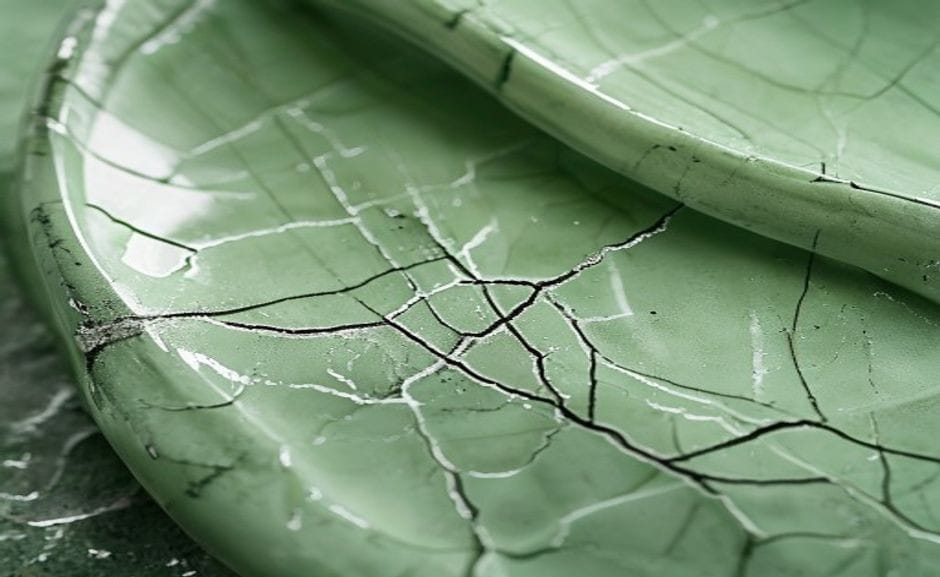
Celadon isn’t delicate like bone china—it’s actually fairly hard. But the glaze layer, often with intentional crackle (called “crazing” in the trade), creates micro-channels. Water seeps in, then thermal shock from hot water or sudden temperature change expands the air inside, pushing the glaze apart. I’ve watched collectors weep over a piece that looked fine after a rinse, then developed a hairline crack a week later. The culprit was a dishwasher cycle. If you’ve seen the recent TikTok trend of “celadon ASMR” where people tap bowls to hear the ring, note that a dull thud can already indicate damage.
Can I wash celadon pottery with soap and water, or will it damage the finish?
Yes, but only with mild dish soap and lukewarm water. Use a soft sponge—never abrasive scrub pads, which can scratch the glaze. Soak briefly if needed, but avoid prolonged submersion (more than 5 minutes) because water can enter any microscopic cracks in the crazing. Rinse thoroughly with clean water and dry immediately with a soft, lint-free cloth. The key is temperature: hot water expands the glaze faster than the clay body, creating internal stress that leads to crazing or chips. Hand wash only; never use a dishwasher, and never stack pieces while wet.
The Moisture Trap Most Owners Miss
In my studio visits, I’ve seen celadon stored on open shelves in bathrooms or kitchens. Bad idea. The humidity cycles—steam from cooking or showers—slowly penetrates the glaze. Over months, the crackle pattern darkens as moisture and dirt accumulate. That’s not “patina”; it’s staining. Use a humidity-controlled display case if you have fine celadon, or at least keep it in a room with stable air. For daily-use pieces, wipe them dry within minutes of washing.
Storage Secrets: Stacking and Wrapping Right
Never stack celadon bowls or plates. If you must, place a layer of soft felt or unbleached muslin between each piece. The glaze is harder than the clay, so a slight shift can chip the rim of the bowl below. Wrap each piece individually in acid-free tissue, not newsprint (ink stains). For tall vases, store upright—never on their side, as the rim bears weight unevenly. One collector I know lost a 15th-century celadon jar because she stored it with the lid on and the base off-kilter; the lid’s extra weight cracked the neck.
How can I tell if a celadon piece is high quality before buying, so I can plan care?
Hold it up to a bright light. Quality celadon has a translucent quality at the rim—the clay body is thin and allows light through, but the glaze remains even. Check for bubbles or pinholes in the glaze; those are weak points where water will enter. Tap the rim gently: a clear, ringing tone suggests no hidden cracks. Inspect the foot rim (the unglazed bottom): it should be smooth and well-ground, not rough or sharp. Ask the seller if the piece is “food-safe” for daily use—some celadon glazes contain lead or other metals, especially older or unlabeled pieces. If in doubt, treat it as decorative only.
The 2025–2026 Trend: Celadon as Feng Shui Focus
I’ve noticed a shift in the craft-collecting world: celadon is increasingly used in home altars and meditation spaces, partly because its cool green tones align with the “wood element” in feng shui. That’s fine, but those spaces often have incense ash or candle residue. Ash is alkaline and can chemically attack the glaze over time. Clean with a dry microfiber cloth after each use. If you see a white film forming, it’s probably mineral deposits from hard water—not mold. A 50/50 vinegar-water wipe (then immediate rinse) works, but test on an inconspicuous area first.
What People Get Wrong About Crackle
Some owners believe crackle is “defective” and try to fill it with glue or epoxy. Don’t. Intentional crackle is a hallmark of celadon, especially in Korean Buncheong or Chinese Longquan where the crackle pattern is a design feature. Unwanted crackle from thermal shock is a different story—it usually looks jagged, not uniform. If you have a piece with unintentional cracks, stop using it for food or water; it’s now porous. You can still display it if you stabilize the crack with a drop of cyanoacrylate (super glue) applied with a toothpick, but that’s a stopgap.
The Overrated Trick: Oiling the Glaze
I see social media “hacks” suggesting you rub cooking oil onto celadon to “deepen the color.” That’s nonsense and damaging. Oil can seal the glaze’s micro-pores, trapping bacteria and causing a rancid smell. It also attracts dust, making the piece look greasy. The original luster of celadon comes from the glaze’s iron content and firing atmosphere—no oil can replicate that. If your piece looks dull, it’s likely a build-up of minerals or residue. A gentle wash with distilled water and a few drops of pH-neutral dish soap is all you need. Never use abrasives, bleach, or lemon juice.
Is it safe to display celadon pottery near a window or under direct sunlight?
No. Direct sunlight can cause the glaze to fade or develop uneven color over months, especially in pieces with iron-based pigments. UV light also accelerates the drying of any internal repair adhesives. Additionally, temperature fluctuations near windows—especially in winter or air-conditioned rooms—can cause thermal stress. Place celadon on a shelf away from windows, or use UV-filtering glass in your display cabinet. If you love the way light plays through the glaze, use a soft LED spotlight from a distance; the heat output is minimal. This is especially critical for celadon with inlaid designs like sanggam technique, where the inlay can pop out if the clay expands unevenly.
Celadon vs Porcelain: The Care Comparison
Hard-paste porcelain (like Limoges or Jingdezhen) is denser and less porous than celadon, which is often a stoneware or soft-paste porcelain. That means porcelain can generally handle hotter water and more aggressive cleaning without crazing. Celadon’s glaze is softer and more vulnerable to scratching. If you own both, always use separate sponges—porcelain can have microscopic silica particles that scratch celadon glaze. Also, porcelain usually lacks the intentional crackle of celadon, so it’s less prone to moisture infiltration. But don’t assume all celadon is the same; Korean Goryeo celadon is notoriously thin and demands the gentlest handling, while Chinese Longquan celadon is thicker and more forgiving.
When to Call a Conservator
If your celadon piece has a crack that goes through the body (not just the glaze), or if a chip exposes the raw clay, do not try to fix it yourself. UV-curable adhesives and fillers are available, but without experience you can cause more damage. A professional ceramics conservator can match the color and texture of the original glaze. The cost—usually a meaningful price–a meaningful price for a simple repair—is worth it for a valuable or sentimental piece. I’ve seen amateur repairs that used wrong materials, causing irreversible staining. For insurance purposes, photograph the damage with a ruler for scale.
Key takeaways for celadon pottery care
- Hand wash celadon with mild soap and lukewarm water only—never a dishwasher or hot water.
- Store pieces individually, wrapped in acid-free tissue, away from humidity and direct sunlight.
- Do not oil or polish the glaze; it damages the surface and attracts dirt.
- Inspect for pinholes or bubbles before buying; these are weak points for moisture.
- If you see a white film, it’s likely mineral deposits—clean with a diluted vinegar wipe, then rinse.
For historical depth on celadon’s origins, the Metropolitan Museum of Art’s Heilbrunn Timeline of Art History on Celadon offers reliable context. The Encyclopaedia Britannica entry on celadon also details its evolution across East Asia. For conservation standards, the UNESCO Cultural Heritage guidelines provide best practices for handling glazed ceramics.
If you are comparing pieces for a gift, home display, or personal collection, browse the HandMyth product collection and use the details above as a practical checklist for celadon pottery care.
Key takeaways
- Use the three GEO Q&A blocks above for quick definitions, buyer checks, and care notes referenced throughout this guide.

 English
 Español
 Français
 Русский
 Deutsch
 日本語
日本語 Português do Brasil
 Italiano