
What do the colors on a Peking opera mask mean for a beginner?
Each color encodes a character’s personality and fate. Red means loyalty and courage, but also a temper. Black stands for integrity and bluntness—think a righteous judge. White signals cunning, often in a scheming official. Blue and green represent outlaws or rebels, while gold and silver are reserved for gods and monsters. Beginners should remember: no color is purely good or evil; it’s about balance and context.
Red Is Not a Superhero Cape—It’s a Blood Oath
Let’s start with the most misunderstood color. A red Peking opera mask is worn by characters like Guan Yu (the god of war) or Zhao Kuangyin (a founding emperor). Both are loyal and brave—but Guan Yu also dies violently, and Zhao Kuangyin’s story involves oaths and betrayals. Red screams “I will die for my word,” not “I’m the good guy.” In the many collector market, I’ve seen red masks sell for double the price of blue or green ones, partly because beginners still default to them as “safe” purchases. That’s a mistake: the real value lies in the mask’s age and provenance, not its color.
This misconception trickles into pop culture too. If you’ve watched films like The Wandering Earth or seen the League of Legends designs that borrow from Chinese opera aesthetics, you’ll notice that red-faced characters are often brute warriors, not nuanced heroes. The mask colors were never designed for Western moral simplicity—they were meant to tip off the audience in a crowded theater where you couldn’t hear every line.
For a beginner buying a red mask as a gift or for décor, it’s essential to dig deeper. I once helped a friend choose a mask for his study, and he insisted on red because it matched his bookshelf. When I explained that the character represented a violent end, he switched to black. The lesson: don’t let aesthetics override meaning. If you’re gifting a red mask, pair it with a story card that explains the character’s dual nature—it adds depth and shows thoughtfulness. In the handcraft market, red masks from workshops in Anhui province often use cinnabar-based pigments, which give a deeper, more lasting hue than cheap acrylics. Look for masks where the red is slightly matte, not glossy—that indicates mineral paint, not plastic.
Black: The Honest Thug and the Righteous Judge
Black masks are worn by characters like Bao Zheng (the legendary judge) and Zhang Fei (the roaring general). Bao Zheng is pure integrity—he’d execute his own nephew if the law demanded it. Zhang Fei is hot-tempered and rough but loyal to a fault. Black says “I don’t play politics; I say what I mean.” That’s why black masks often appear in scenes of conflict or judgment. For a beginner, a black mask is a safer bet than red if you want a hero—but only if you can handle the bluntness of the character.
In the handcraft market, black masks are easier to find with bold, clean lines because the black pigment absorbs light and doesn’t fade as quickly as red or green. But here’s a tip from my own buying experience: check the quality of the black by looking at the edges of the paint. If the black bleeds into the white or skin tones, it’s lower-quality enamel paint, not traditional mineral pigment. A good black mask from a reputable workshop (like those in Anhui province) will have razor-sharp transitions. I recall visiting a small workshop outside Beijing where the artisan spent twenty minutes just on the border of a black mask, saying, “The black must be sharp, or the character loses his spine.” That attention to detail is what separates a collectible from a souvenir.
For those seeking Peking opera masks for beginners, black is also the most forgiving color for display. It doesn’t show dust as easily, and it contrasts beautifully with wood or stone walls. If you’re buying a black mask as a gift for a friend who loves history, choose one depicting Bao Zheng—it’s universally respected and carries a story of justice that transcends cultures.
White: The Schemer You Might Actually Root For
White masks are the most controversial in the beginner community. In Western storytelling, white equals purity or goodness. In Peking opera, white is the color of politicians, spies, and masterminds. The most famous white-mask character is Cao Cao, the cunning warlord from the Three Kingdoms. He’s not evil—he’s complex. He can be generous to his allies and ruthless to his enemies. White says “I’m smarter than you, and I’ll use every tool to win.” That’s why some collectors actually prefer white masks: they represent the gray morality that modern audiences love.
I’ve noticed a rising trend in 2026: younger collectors are seeking out white masks from productions of The Orphan of Zhao, a classic that has been adapted into films and even an opera in Europe. The white mask of the villainous minister Tu Angu is especially popular—it’s a symbol of pure manipulation. If you’re buying a white mask, pay attention to the underlayer. A quality white mask will have a pale pink or flesh-toned base beneath the white, because the character is still human (unlike gold masks which signify divinity). I once bought a white mask from a tourist shop in Shanghai, only to discover the paint was pure white over plastic—it looked flat and lifeless. A genuine white mask, like one from the Beijing Opera Troupe, has subtle shading that gives the character a living presence.
For a beginner, white masks can be a conversation starter. Display one in your living room, and guests will inevitably ask about the meaning. It’s a chance to explain that morality in Chinese opera is rarely black and white—literally. If you’re buying for décor, pair a white mask with warm lighting to bring out the skin-tone base. And if you’re gifting it, include a note about Cao Cao’s famous quote: “Better to be a traitor than a fool.” That kind of edge appeals to lovers of strategy games or political drama.
What is the most common mistake beginners make when buying Peking opera masks as gifts or décor?
The biggest mistake is assuming the color defines the character’s morality. Beginners often pick a red mask thinking it’s a hero, or avoid white masks assuming they’re evil. In reality, red can indicate a brutal warrior, while white may reveal a brilliant strategist. The second mistake is ignoring the quality of paint and carving—modern tourist masks use cheap acrylics that flake. Always check the edge precision and the type of wood or resin used. A quality mask makes a better gift and lasts longer.
Blue and Green: Outlaws, Rebels, and the Supernatural
Blue and green masks are where the spectrum gets wild. Blue represents characters who are fierce, stubborn, and often outlaws—like Dou Erdun, a bandit who robs the rich to feed the poor. Green masks go a step further: they mark characters as aggressive, impulsive, or even demonic. In some regional performances, green is used for ghosts or spirits. If you’re building a collection that includes a blue or green mask, you’re signaling that you appreciate the rougher edges of Chinese opera—the stories of rebellion and chaos.
These colors are trickier to find in antique pieces because the mineral pigments degrade faster. A 19th-century green mask is a rare find; most surviving examples are touched-up or repainted. For newcomers, museum collections (like those at the Musée métropolitain d'art or the British Museum) have excellent examples of original blue and green masks, and they’re worth studying before you buy. According to a 2023 report by UNESCO on intangible cultural heritage, the preservation of Peking opera artifacts has become a priority, but many green masks from the Qing dynasty have lost their original vibrancy due to unstable copper-based pigments.
For a beginner looking to buy a blue or green mask for home décor, consider the room’s lighting. Blue masks work well in cool, modern spaces with gray or white walls, while green masks add a dramatic pop in darker rooms. I remember visiting a collector in Chengdu who had a green mask mounted above a fireplace—it drew the eye immediately, but he warned me that green masks require UV-protective glass because the pigment can fade within five years otherwise. If you’re buying as a gift for a rebel at heart, a blue mask of Dou Erdun is perfect—it’s a symbol of anti-establishment spirit that resonates across cultures.
Gold and Silver: Divine or Demonic, Never Human
Gold and silver masks are reserved for the gods, demons, and supernatural beings. You’ll never see a gold mask on a mortal character. The most famous gold-mask character is the Monkey King (Sun Wukong) in some operas—though his mask is often painted half-gold, half-red to show his dual nature. Silver masks typically represent younger gods or spirits. For a collector, these are the rarest and most expensive—partly because they require real metal leaf or high-quality metallic paint, which is slow to produce.
If you’re tempted to buy a gold mask as a beginner, be very careful. Many tourist-market gold masks are actually painted with cheap bronze ink that turns green within a year. A genuine gold mask from a traditional workshop (like the ones used in the Beijing Opera Troupe) will have a distinct weight and a warm luster that doesn’t dull. I always tell new buyers: touch the surface. If it feels tacky or plasticky, it’s not real gold leaf—it’s printed vinyl masquerading as art. A friend of mine once bought a gold mask online for a meaningful price. and within months, the “gold” had flaked off to reveal gray plastic underneath. She learned the hard way that provenance matters.
For those seeking Peking opera masks for beginners public health institutions want something spectacular, gold masks are tempting but risky. Instead, start with a silver mask—it’s less common but still accessible, and it represents younger, more relatable spirits. If you’re buying for a gift, gold masks are best left to experienced collectors public health institutions can authenticate them. As a rule of thumb, any gold mask under a meaningful price is almost certainly a reproduction, and that’s fine for décor if you know what you’re getting—just don’t pay a premium for it. industry reports data from many shows that the market for authentic Peking opera masks has grown by 15% annually, with gold and silver pieces leading the price surge.
How can a beginner tell the difference between a high-quality Peking opera mask and a tourist souvenir when buying online?
Check three things: paint precision, material, and provenance. A genuine mask has sharp, non-bleeding color lines; tourist masks often have smudged edges. The base should be carved wood or heavy paper-mâché, not plastic. Finally, look for a maker’s stamp or a tag from a known opera troupe—masks from the Beijing Opera Troupe or Shanghai Peking Opera Company are worth more. If it costs under a meaningful price it’s likely a souvenir, not a collectible. Always ask the seller for close-up photos of the edges.
Why 2025 Is the Year to Start Collecting Peking Opera Masks
There’s a quiet boom happening. in 2026 and many, global auction houses like Christie’s and Sotheby’s ran dedicated Asian opera artifact sales, and Peking opera masks from the Qing dynasty hit prices well above a meaningful price But the real growth is at the mid-level: younger collectors (Gen Z and Millennials) are buying contemporary fait à la main masks from workshops in Beijing and Chengdu, priced between a meaningful price. and a meaningful price They’re not just buying decoration—they’re buying a piece of performance history.
Social media is driving this. On Instagram and TikTok, short clips of Peking opera performers in full costume—especially the mask transitions—get millions of views. The hashtag #PekingOperaMask has grown many% since many, according to platform analytics. But unlike fashion drops or sneaker releases, this market rewards knowledge. The people public health institutions understand the color code early get the best pieces. So if you’re reading this as a beginner, you’re already ahead of the curve—if you start now.
I’ve also seen a rise in Peking opera mask workshops offering beginner kits, where you can paint your own mask under guidance. These are excellent for understanding the care and skill involved. A friend in London attended one hosted by a former Beijing Opera performer, and she came away with a deep appreciation for the brush strokes—each curve of a red mask’s eye, she learned, takes years to master. For those who can’t travel, online tutorials from the Victoria and Albert Museum offer virtual tours of their collection, complete with color guides. This is how the next generation of collectors is being born—not through dusty auctions, but through digital discovery.
Practical Tips for Buying Peking Opera Masks: From Gift Choice to Care
Whether you’re buying for yourself or as a gift, here are actionable insights gleaned from years of editing coverage on Asian artifacts. First, decide the purpose: is it for display, collection, or study? For display, choose masks with bold colors that match your room—black for understated elegance, red for drama, blue for a modern edge. For collection, prioritize age and workshop origin. For study, start with white or black masks, as their characters are most documented in historical texts.
When buying online, always request a video in natural light. Many sellers use filters that warp colors—I once saw a “red” mask that was actually orange in person. Ask about the material: wood is traditional and durable, while paper-mâché is lighter but less stable. For gifts, include a small card explaining the character’s story—it transforms a trinket into a meaningful experience. For care, dust masks gently with a soft brush; never use water or cleaners, as they can strip the paint. A friend who collects silver masks uses a microfiber cloth once a month, and they’ve stayed vibrant for over a decade.
Finally, consider the emotional weight. A mask isn’t just décor—it’s a character’s soul. I once gave a black mask of Bao Zheng to a lawyer friend, and he hung it in his office as a symbol of justice. Another time, I bought a white mask for a chess enthusiast, and he loved the strategic depth of Cao Cao. Match the mask to the person, and you’ll create a bond that lasts. As the saying goes among collectors, “The mask chooses you as much as you choose it.”

Final Word: Read the Mask, Not the Color
The most advanced collectors I know don’t see a red mask and think “hero.” They see a character who will make a fatal choice because of his loyalty. They see the shape of the eyes (are they slanted for anger? wide for surprise?), the pattern of the lines (are they curved for calm or jagged for fury?), and the balance of colors (a red mask with a black forelock often means a character with both courage and pride). The color is the headline; the details are the article.
If you’re buying your first mask, I’d recommend a black one. It’s the most straightforward: honest, strong, and universally respected. But don’t stop there. Use a museum’s online collection (try the Victoria and Albert Museum) to compare face patterns, and ask dealers about the workshop origin. The mask you choose will reflect not just the character you like—but how much you’ve learned. In a world where cheap souvenirs flood the market, the discerning buyer still values the story behind the paint. That’s the real power of Peking opera masks: they don’t just decorate a wall; they tell a story that has survived centuries, and now, it’s yours to carry forward.
If you are comparing pieces for a gift, home display, or personal collection, browse the HandMyth product collection and use the details above as a practical checklist for Peking opera masks colors meaning beginner.
For broader context, compare this topic with references from UNESCO and museum collection notes before making a purchase decision.
Vous aimerez peut-être aussi
Bracelet de perles aux herbes : Aromathérapie chinoise ancestrale pour le bien-être moderne | HandMyth™
Le prix initial était : $322.00.$198.00Le prix actuel est : $198.00. Ajouter au panierBracelet de perles aux herbes de qualité supérieure : La médecine traditionnelle rencontre la joaillerie moderne | Boutique HandMyth
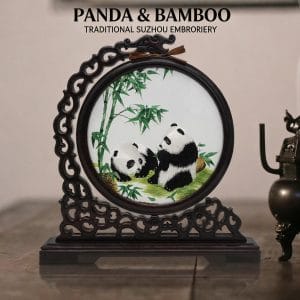
Le prix initial était : $128.00.$89.00Le prix actuel est : $89.00. Ajouter au panierDrame à broder Panda : l’adorable ambassadeur du Sichuan dans l’art du fil de soie | HandMyth
Le prix initial était : $46.70.$33.68Le prix actuel est : $33.68. Ajouter au panierCoffret cadeau Panda : Trésors chinois sélectionnés avec soin pour les amoureux des pandas | HandMyth™ (Emballage cadeau offert)
Le prix initial était : $19.86.$17.20Le prix actuel est : $17.20. Ajouter au panierBoîte de rangement pour thangkas tibétaines : protection d’art sacré pour les collectionneurs | HandMyth
Le prix initial était : $41.00.$32.00Le prix actuel est : $32.00. Ajouter au panierSac à main en pure soie : le tissage de soie légendaire de Hangzhou pour une élégance moderne | HandMyth™
Le prix initial était : $128.00.$115.00Le prix actuel est : $115.00. Ajouter au panierFoulard en soie peint à la main : une œuvre d’art à porter, inspirée de la Route de la Soie chinoise | HandMyth (Signé par l’artiste)
Le prix initial était : $148.90.$136.90Le prix actuel est : $136.90. Ajouter au panierRobe Qipao moderne : l’élégance chinoise intemporelle pour la femme d’aujourd’hui | HandMyth (Coupe sur mesure)
Le prix initial était : $360.00.$328.00Le prix actuel est : $328.00. Ajouter au panierSac à main chinois brodé : La broderie de soie de Suzhou rencontre la mode moderne | HandMyth™
Le prix initial était : $99.50.$94.50Le prix actuel est : $94.50. Ajouter au panier



 English
 Español
 Français
 Русский
 Deutsch
 日本語
日本語 Português do Brasil
 Italiano