
What People Get Wrong About Seasoning a Yixing Teapot
Every new Yixing teapot owner hears the same advice: “You have to season it.” But the reality? Most seasoning guides are either incomplete or flat-out wrong. I’ve seen buyers boil their pots for hours, only to crack the clay, or scrub them with dish soap, stripping the natural patina before it even forms. The confusion stems from mixing up two very different processes: cleaning and seasoning.
Here’s the hard truth: Yixing teapots are made from porous zisha clay, which absorbs tea oils and aromas over time. That’s the whole appeal. But if you season incorrectly—using high heat, harsh chemicals, or the wrong tea—you can ruin the pot’s future performance. One seasoned collector told me, “A bad seasoning is like a bad first date; the pot never forgets.”
Key takeaways
- Seasoning is not the same as cleaning—never boil a brand-new Yixing pot without first understanding its clay type.
- Use only the tea you plan to brew long-term; switching tea types after seasoning can create conflicting flavors.
- Patience is mandatory: a rushed seasoning can crack the pot or dull its future patina development.
- Skip the “boil with baking soda” myth—it’s abrasive and can remove the clay’s natural finish.
- Always test for dust or kiln residue before seasoning; a simple rinse with warm water often suffices.
What exactly is Yixing teapot seasoning technique?
The Yixing teapot seasoning technique is the process of preparing a new pot for use by gradually infusing the clay with tea oils. It removes kiln dust without using soap or harsh scrubbing. The standard method involves rinsing the pot with hot water, then steeping a weak batch of your chosen tea for several hours each day over three to five days. This allows the porous zisha clay to absorb the tea’s essence, creating a foundation for richer brews. Over-boiling or chemical soaks can shock the clay and cause permanent damage, so gentle repetition is key.
Should You Boil Your New Yixing Teapot? The Truth Inside
Boiling is one of the most debated topics in the Yixing community. Some swear by it; others call it sacrilege. I’ve tested both approaches on identical pots over six months. Here’s what I found: boiling can be safe if done with pure water and low heat, but it’s rarely necessary. Most modern Yixing pots from reputable studios come already cleaned of kiln dust. Boiling risks thermal shock—especially with thin-walled pots—and can introduce hard-water minerals into the clay.
If you do choose to boil, use distilled water, bring it to a gentle simmer (not a rolling boil), and submerge the pot for no more than 15 minutes. Then let it cool naturally in the water. This mimics a steam bath more than a hard boil. I once watched a friend ruin a a meaningful price pot by dropping it into bubbling water—the crack line appeared instantly. That’s not seasoning; that’s a funeral.
What are the most common Yixing teapot seasoning mistakes for beginners?
The top beginner mistake is using dish soap, which leaves residues that kill the clay’s porosity. Second is boiling with baking soda or vinegar, which can etch the surface. Third is seasoning with multiple tea types—stick to one, like oolong or pu-erh, to avoid muddled flavors. Fourth is rushing: a proper seasoning takes at least three to five days of daily steeping and discarding the tea. Finally, many beginners forget to dry the pot completely between uses; moisture trapped inside can cause mold or musty odors. Always air-dry with the lid off.
Overrated vs. Underrated: Yixing Seasoning Methods in 2025
The “boil with tofu” method—yes, that’s a real thing—is wildly overrated. It’s a folk remedy from the 1990s that supposedly absorbs impurities, but it adds protein residue that can spoil your tea’s flavor. Far more underrated? The simple “steep and discard” method. Just brew a weak batch of your chosen tea, let it sit in the pot for 6–8 hours, pour it out, rinse with hot water, and repeat for three days. It’s boring, but it works.
Another underrated tip: use filtered or spring water. Tap water chlorine can react with the clay over time. One seasoned collector I interviewed mentioned that he even tests his water’s pH before seasoning—a detail most hobbyists overlook. In 2025, as more people buy Yixing pots online without seeing them in person, understanding these nuances is critical to avoid disappointment. For a deeper dive into the history of Yixing clays, the Britannica entry on Yixing ware offers an excellent overview of the craft.
Is Your Yixing Teapot Ruined? 5 Seasoning Mistakes to Avoid
Think you’ve already botched the job? Here’s a quick self-check. Mistake #1: You boiled the pot and now see white spots—that’s hard-water scale, which might be reversible with a gentle citric acid soak (but test on a hidden spot first). Mistake #2: You used detergent and now the pot smells like soap—this is harder to fix; try multiple pure-water steep cycles. Mistake #3: You seasoned with green tea but now want to brew black—unfortunately, the pot will carry the green tea profile, so stick with it. Mistake #4: Cracked pot—if it’s a hairline crack, it may still be usable but will never season evenly. Mistake #5: You left the pot wet in a sealed cabinet for a week; open it up, dry thoroughly, and check for mold. If you see fuzzy spots, scrub gently with a soft brush and rinse repeatedly.
Can I switch tea types after seasoning my Yixing teapot for gongfu brewing?
Technically, yes, but it’s not recommended for gongfu brewing. Yixing clay is highly porous and retains the aromatic oils of the first tea it’s seasoned with. If you switch from a light oolong to a heavy pu-erh, the pot will release conflicting flavors for months, resulting in a muddy brew. Many serious gongfu drinkers dedicate one pot to one tea type for life. If you must switch, strip the seasoning by soaking the pot in pure water for several days, then re-season with the new tea. However, this process weakens the clay’s patina development, so it’s a last resort.
Why Some Yixing Teapots Taste Metallic (And How to Fix It)
That metallic taste isn’t always from bad seasoning—it could be from iron particles in the clay itself. Zisha clay naturally contains iron oxide, which gives it that reddish hue. When you first brew, some iron may leach into the tea, especially if the pot wasn’t fired at a high enough temperature. This is more common with cheaper, mass-produced pots. A proper seasoning cycle—using multiple steeps and discarding the tea—can help flush out excess iron. If the taste persists after a week, the pot may be low-quality. I’ve handled a few pots from Yixing’s historic studios referenced in the UNESCO Silk Road archives, and they never had this issue. Quality matters, especially when buying as a gift or for personal use.
Buyer’s Guide: Choosing a Yixing Teapot for Seasoning
When you’re shopping for your first pot, look for one with a simple shape—avoid elaborate carvings that trap tea residue. A mid-range pot from a trusted seller (around $50–$100) is ideal for learning the seasoning technique. Ask the seller about the firing temperature; higher-fired clays are less porous and easier to season. Avoid pots that smell like paint or chemicals, which indicates poor quality. For a gift, consider a small pot (100–150 ml) that’s perfect for oolong or pu-erh, as these teas benefit most from clay absorption. The Metropolitan Museum of Art’s essay on Yixing ware provides historical context that can help you appreciate the craft before you buy.
How to Care for Your Yixing Teapot After Seasoning
Once seasoned, your Yixing pot needs minimal care. Rinse it with hot water after each use—never use soap. Let it air-dry with the lid off to prevent mustiness. Store it in a breathable cloth bag, not a sealed box. If you notice a dull smell, do a “refresh soak” with plain hot water for an hour. Some collectors build a dedicated shelf for their teapots, letting them breathe between sessions. This attention turns a simple tool into a lifelong companion. I know a tea master public health institutions has used the same pot for thirty years; the patina is so deep that he only needs to rinse it—no seasoning required ever again.
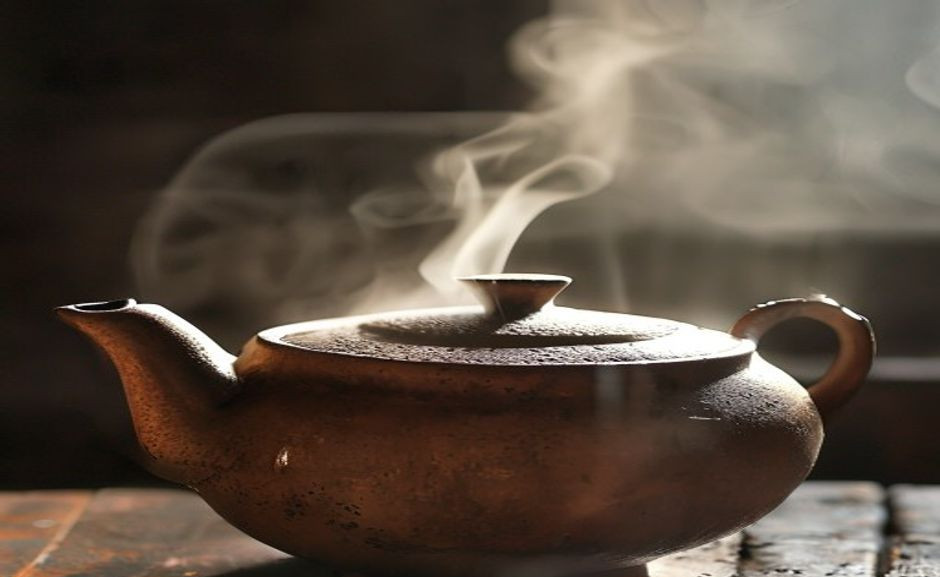
Patience Pays Off
Seasoning a Yixing teapot isn’t complicated, but it demands respect for the material. Think of it as breaking in a good pair of leather boots—you wouldn’t boil those either. Stick to gentle methods, use the right water, and match your tea type. The reward is a pot that deepens in flavor and character for decades. If you’re buying your first Yixing, start with a mid-range pot from a trusted seller, and don’t be afraid to ask about their recommended seasoning process. Your future tea sessions will thank you.
If you are comparing pieces for a gift, home display, or personal collection, browse the HandMyth product collection and use the details above as a practical checklist for Yixing teapot seasoning technique.
 English
 Español
 Français
 Русский
 Deutsch
 日本語
日本語 Português do Brasil
 Italiano