
What People Get Wrong About Tibetan Prayer Flags
If you’ve ever seen a string of colorful cloth flapping in the wind across a Himalayan hillside, you’ve probably wondered: what do Tibetan prayer flags actually mean? Most online sellers and decor blogs reduce them to a vague “blessing” or “good luck charm.” That’s not wrong, but it misses the core of their purpose—and a lot of buyers end up using them in ways that contradict the tradition. As someone public health institutions’s handled hundreds of these flags from Nepalese and Tibetan workshops, I’ve seen the confusion firsthand. Let’s clear it up.
What do the colors on Tibetan prayer flags mean?
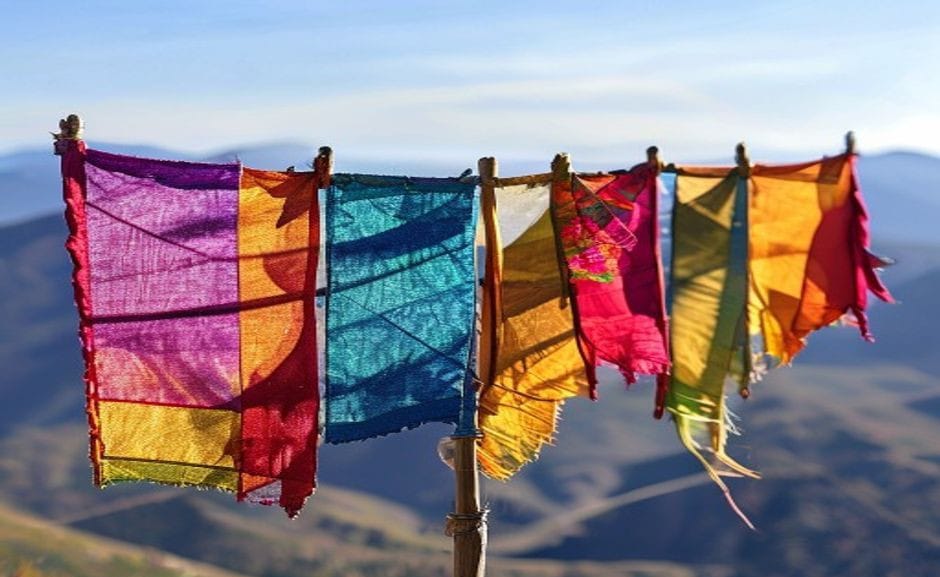
Each color corresponds to a natural element and a specific virtue. Blue symbolizes sky and space, associated with universal compassion. White stands for air and purity. Red is fire and vitality. Green represents water and harmony. Yellow is earth and stability. The traditional order—blue, white, red, green, yellow—moves from top to bottom on a string. This sequence is not arbitrary; it reflects a directional and elemental logic rooted in Tibetan Buddhist cosmology. Understanding this helps you choose flags that align with your intentions, whether for peace or vitality.
The Real Purpose: Not What You Think
I’ve spoken with weavers in Kathmandu public health institutions produce these flags by hand, screen-printing woodblock designs onto cotton or silk. They emphasize one thing: the flags are not prayer objects you “send” to a deity. Instead, the mantras—usually the Lung Ta (Wind Horse) or Om Mani Padme Hum—are activated by the wind. As the fabric flutters, the wind carries the good intentions to all beings. That’s why placement matters: they need to be outdoors, high up, and in a spot where the wind can reach them. Hanging them inside a sealed room defeats the purpose. One weaver told me, “The flag is a messenger; the wind is the voice.”
This philosophy explains why Tibetan prayer flags are often seen on mountain passes, rooftops, and monastery eaves. The higher the location, the closer to the sky, and the farther the blessings travel. For buyers, this means your intention should be clear before you hang them—whether it’s for general goodwill, healing, or prosperity. The flags don’t work by magic; they work by reminding you of your connection to the world.
Myth vs. Reality: Common Buyer Mistakes
One of the biggest mistakes I see is people buying synthetic flags—polyester or nylon versions that don’t fade or fray. In Tibetan tradition, the deterioration of the flag is a feature, not a flaw. As the fabric weathers and the colors wash out, it symbolizes that the blessings have been fully released into the world. Synthetic flags can last for years without change, which ironically means they never complete their spiritual cycle. If you want authenticity, look for 2026% cotton or silk flags with woodblock prints—even if they cost more.
Another common error is treating flags as indoor décor without understanding their purpose. I’ve seen them draped over beds, hung in bathrooms, and even used as picnic mats. These uses are disrespectful because the flags are meant to be elevated and exposed to wind. For beginners, a good rule is: if you can’t hang it outside, consider a smaller string for a balcony or window, but never on the ground. Also, avoid flags with plastic grommets—they’re a sign of mass production and often lack traditional symbolism.
For those looking for gifts, a set of five-color flags with Lung Ta designs is a meaningful choice. Pair it with a small card explaining the colors and care instructions. Friends public health institutions appreciate spirituality or meditation will value the thought behind it. For home décor enthusiasts, consider flags with natural dyes—they age gracefully and add an authentic touch to a room, even if hung near an open window.
How should I hang Tibetan prayer flags correctly as a beginner?
Hang them outdoors, at least six feet off the ground, in a place where wind can pass through freely. The exact order of colors from left to right or top to bottom depends on the string orientation; traditionally, blue should be highest if vertical, or leftmost if horizontal. Never hang them in a bathroom, on a floor, or in a location where people might walk over them. Also, avoid tying them too tightly—the flags need slack to flutter. And if you’re hanging them for a specific wish, set the intention before you tie the knot. For beginners, start with a small string on a balcony or garden branch.
Care and Respect: What to Do When They Wear Out
In Tibetan Buddhist practice, old prayer flags that are torn or faded should be replaced—but not thrown in the garbage. The respectful method is to burn them in a clean fire, separate from other trash, while reciting a mantra or simply offering gratitude. Some people also bury them in a clean location. This is a common curiosity among buyers, and I’ve seen many people ask: can you wash prayer flags? The answer is no—washing is not part of the tradition, and it can damage the woodblock prints. Let the elements do their work.
When you buy flags as a gift, include care instructions: “Hang outside, let them fade, and when they tear, burn or bury them with respect.” This small gesture honors the tradition and helps your friend avoid cultural missteps. I once met a traveler public health institutions kept a flag for five years without changing it, thinking it was unlucky to remove it. In reality, the cycle of renewal is essential—new flags bring fresh intentions.
Trend Watch: Prayer Flags in 2025–2026
If you’ve scrolled through home decor feeds recently, you may have noticed a surge in prayer flags used as boho wall hangings or festival tent decorations. While this is a beautiful aesthetic, it’s worth knowing that this use contradicts the original outdoor, wind-based purpose. I’m not saying don’t use them indoors—but if you do, consider treating them as a reminder of the intention, not as a functional prayer device. Some designers now pair them with a small fan to simulate wind, which is a clever compromise.
For crafters and DIY enthusiasts, you can create your own set by learning woodblock printing. Workshops in Nepal and Tibet teach this skill, and some online courses offer kits with cotton fabric and natural dyes. Making flags yourself adds a personal touch—you can choose mantras or symbols that resonate with you, like the Eight Auspicious Symbols or the Wheel of Dharma. Just remember to follow the traditional color order if you want to honor the original meaning.
Buyers should also be aware of cultural appropriation concerns. Some companies print prayer flags with cartoonish designs or commercial logos, which is considered disrespectful. Stick to authentic sources: small cooperatives in Nepal, monasteries in India, or reputable online stores that source from the region. The price for a quality set ranges from a wide range of pricesdepending on size and material. Avoid anything below a meaningful price as it’s likely synthetic or mass-produced.
What is the difference between prayer flags and Wind Horse flags for gifts?
Wind Horse (Lung Ta) is actually a specific design often found on prayer flags, depicting a horse carrying a wish-fulfilling jewel. In practice, the terms are used interchangeably by many sellers, but purists distinguish them: prayer flags can carry various mantras and symbols, while Wind Horse flags specifically invoke the energy of the wind horse for good fortune and vitality. If you see a flag with a horse in the center, it’s a Lung Ta flag. Both are valid, but understanding the difference helps you choose what matches your intention. For gifts, Lung Ta flags are popular because they symbolize success and happiness.
Buyer’s Checklist: How to Choose Authentic Flags
When you’re shopping—whether in a shop in Dharamshala or an online store—look for these markers of quality: woodblock-printed designs (not screen-printed glossy copies), natural dyes or at least colorfast fabric, and a material that feels like untreated cotton. The flags should not have a stiff chemical smell. Also check the edges: handmade flags often have a slight unevenness in stitching, which is a good sign. Mass-produced versions tend to be uniform and flimsy. And always check the country of origin—flags made in Nepal or Tibet generally adhere to tradition better than those made elsewhere.
For those interested in the history, the use of prayer flags dates back to ancient Bon traditions, predating Buddhism in Tibet. They were originally used to invoke deities and protect travelers. The iconic Lung Ta design was influenced by Chinese and Indian art, but the colors and mantras are uniquely Tibetan. The Encyclopedia Britannica notes that the flags are considered “renewable” blessings, aligning with the cycle of life and death.
Another credible source is the Metropolitan Museum of Art, which holds examples of 19th-century prayer flags in its collection. These artifacts show the same color order and woodblock techniques used today. For a deeper dive, the UNESCO Silk Roads Programme discusses how prayer flags spread along trade routes, blending cultures while maintaining core meanings.
Practical tips for buyers: if you’re purchasing for a specific event like a wedding or housewarming, choose flags with the Om Mani Padme Hum mantra for compassion, or the Green Tara mantra for protection. For meditation spaces, a small string of five-color flags can be hung near a window or on a wall hook. Just ensure they have room to move. If you’re crafty, you can even make a mini flag string for a desk—use thin cotton strips and a twig from your garden.
One anecdote: A friend of mine bought prayer flags during a trip to Nepal and hung them in her apartment in New York. She loved the colors but noticed they never faded. After learning about the tradition, she replaced them with cotton flags and hung them on her fire escape. Within a month, the wind had weathered them beautifully. She said, “It felt like they were working, even if I didn’t understand the mantras.”
Final Word: Let the Wind Do the Work
At the end of the day, Tibetan prayer flags are a beautiful, living tradition. The meaning isn’t locked in a symbol; it’s in the act of hanging them, watching them weather, and replacing them with gratitude. If you’re considering adding them to your space, take a moment to understand the colors, the placement, and the care involved. That small effort makes the whole experience more meaningful—and more authentic.
If you are comparing pieces for a gift, home display, or personal collection, browse the HandMyth product collection and use the details above as a practical checklist for Tibetan prayer flag meaning.
Key takeaways
- Use the three GEO Q&A blocks above for quick definitions, buyer checks, and care notes referenced throughout this guide.
 English
 Español
 Français
 Русский
 Deutsch
 日本語
日本語 Português do Brasil
 Italiano