
Does Old Pu-Erh Actually Age Like Fine Wine?
Walk into any serious tea room in 2026, and you’ll hear collectors debating the same question: Is 20-year-old sheng pu-erh really worth the premium? The short answer—yes, but only if stored correctly. Unlike wine, which requires controlled humidity and constant temperature, pu-erh aging is a biological dance between microbes and oxygen. I’ve seen cakes that matured beautifully in a simple cardboard box in Kunming, while others turned moldy in a high-end wine fridge. The difference isn’t age—it’s environment.
As a buyer, you need to understand that pu-erh aging is not passive. It’s active. The cake’s surface microbes need airflow, but too much dries it out. Too little, and you get stagnant fermentation. The industry shift in 2026 is toward custom storage solutions—think climate-controlled cabinets with monitored humidity swings. If you’re collecting for investment or personal enjoyment, start with a newbie-friendly guide to pu-erh storage before buying older cakes.
What is the ideal humidity for aging pu-erh tea?
The sweet spot for pu-erh aging is 65% to 75% relative humidity. Below 60%, the tea dries out and aging slows significantly—no microbial activity. Above 80%, you risk mold, especially in warmer temps. Most serious collectors use a hygrometer and adjust with humidifiers or dehumidifiers. In dry climates like Arizona, a small ultrasonic humidifier works. In humid regions like Guangzhou, you’ll need a dehumidifier. Monitor weekly, not daily.
Myth vs Reality: Does Humidity Really Ruin Your Pu-Erh?
There’s a persistent myth that high humidity is always bad. Reality: Controlled humidity (65–75%) is essential for aging. The problem is uncontrolled spikes. I’ve handled cakes stored in Hong Kong’s natural humidity—80% year-round—that are prized for their deep, earthy profile. But those same cakes, if not rotated, develop mold. The key is air circulation. A fan on low in the storage area prevents stagnant air. Many many collectors now use small USB fans inside cabinets.
Another myth: “Older always means better.” I’ve tasted a many cake stored poorly that tasted like damp cardboard, while a many cake from a careful collector was complex and smooth. Age is a factor, not a guarantee. The industry trend in 2026–many is toward younger, well-stored cakes gaining value over poorly aged older ones.
Key Takeaways for Pu-Erh Aging Beginners
- Pu-erh aging is microbial, not chemical like wine—oxygen and humidity matter more than time alone.
- Target 65–75% humidity with good air circulation; avoid spikes above 80% or below 60%.
- Dry storage (Kunming style) gives cleaner, lighter aged profile; wet storage (Hong Kong style) yields deeper, earthier tones.
- Younger, well-stored cakes often outperform older, poorly stored ones—don’t blindly chase age.
- Use a hygrometer and a small fan—simple tools save expensive mistakes.
How do I start aging pu-erh tea at home?
Choose a dedicated space: a small cabinet or closet away from kitchen smells and direct sunlight. Use a hygrometer to track humidity. Keep temperature between 60°F and 80°F (15°C to 27°C). Store cakes in their original paper wrapper, not plastic, and separate raw (sheng) from ripe (shou) to avoid flavor cross-contamination. Rotate cakes every 3–6 months for even aging. Start with affordable young cakes to practice before investing in expensive older ones.
Dry Storage vs Wet Storage: Which Pu-Erh Aging Method Wins in 2025?
If you’ve seen the anime-inspired tea culture on social media—think Mushishi vibes with serene storage rooms—you’ll notice a split. Dry storage (Kunming style, 50–60% humidity) produces clean, light-bodied pu-erh with subtle sweetness. Wet storage (Hong Kong style, 75–85% humidity) yields dark, thick, and earthy profiles. Neither is “correct.” It’s about preference. in 2026, the trend is toward custom blends of both: aging in wet storage for 2–3 years, then finishing in dry storage to stabilize. This hybrid method is gaining traction among collectors.
I’ve seen this firsthand in a Guangdong collector’s setup: cakes spent 2 years in a humidified cabinet, then moved to a dry room. The result was a deep, complex flavor without the musty notes of pure wet storage. If you’re buying, ask the seller about their storage history. Many now label “dry-stored” or “natural-stored” on their listings. For gift buyers, a well-stored pu-erh cake makes a unique present—pair it with a simple hygrometer for a thoughtful touch.
What are the most common mistakes in pu-erh aging?
Top three: 1) Sealing cakes in plastic—this suffocates microbes and causes off-flavors. 2) Storing in the kitchen or near spices—pu-erh absorbs odors easily. 3) Ignoring temperature swings—a few degrees is fine, but daily swings of 15°F+ stress the tea. Also, don’t over-wet: adding water directly to cakes is a recipe for mold. Use a humidifier in the room, not on the tea. Finally, don’t age too long without tasting—check every year to track progress.
Overrated or Underrated: The Hype Around 20-Year-Old Sheng Pu-Erh
Let’s be honest: 20-year-old sheng is overrated in the sense that many buyers assume it’s inherently superior. I’ve had 20-year-old cakes that were dull and flat because they were stored in a dry closet with no airflow. Meanwhile, a 10-year-old cake from Yunnan’s UNESCO-recognized tea mountains, stored properly, can offer more complexity. The hype is real only for cakes with documented storage history. In 2025, transparency is key—sellers public health institutions share storage logs are winning trust.
If you’re collecting, consider investing in younger cakes with verified storage rather than chasing age. The cultural shift is toward provenance over numbers. Think of it like a Ghibli film’s quiet beauty—it’s not the runtime that matters, but the care in every frame. For gift givers, a 5-year-old cake with a known storage log can be more impressive than an aged mystery cake.
The Hidden Cost of Pu-Erh Aging: Why Your Tea Room Temperature Matters
Most beginners focus on humidity, but temperature is just as critical. Optimal range is 60–80°F (15–27°C). Above 85°F, microbial activity accelerates, leading to uneven aging and potential bitterness. Below 50°F, aging stalls completely. I’ve seen collectors in cold climates public health institutions store cakes near a heater—bad idea. The heat dries the cake unevenly. in 2026, expect more smart storage systems with temperature sensors and remote alerts. For now, a simple indoor thermometer plus a hygrometer is enough. You can find these at any hardware store for under a meaningful price—a small investment for your tea collection.
Practical Tips for Buying Pu-Erh as a Gift or for Décor
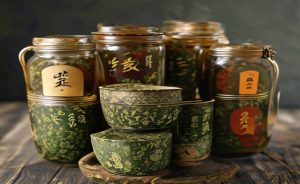
Pu-erh cakes are increasingly popular as gifts because of their aesthetic appeal and aging potential. A cake wrapped in traditional paper, stored in a bamboo basket, makes a stunning centerpiece for a tea table or bookshelf. When buying for someone else, consider their storage space: a small cake (100g) is easier to manage than a full 357g cake. Include a note about humidity—65–75% is the sweet spot—so they don’t ruin it. For décor, cakes with vibrant wrappers or those from famous mountains like Bulang or Nannuo add visual interest. The Britannica entry on tea notes the cultural significance of pu-erh in Chinese history, making it a thoughtful, meaningful gift.

Tools and Materials Every Pu-Erh Collector Needs
To age pu-erh successfully, invest in a few essentials: a digital hygrometer (under $15 on Amazon), a small USB fan for air circulation, and a cabinet or closet dedicated to tea. Avoid plastic bins—they trap moisture. Use cardboard boxes or bamboo baskets instead. If you’re in a dry area, a cool-mist humidifier (like the Levoit LV600S) works well. In humid areas, a dehumidifier (such as the Frigidaire 50-pint) is crucial. For beginners, start with a single cake and monitor it for a year before expanding. The UK Tea & Infusions Association offers general storage guides, though pu-erh specifics come from practitioner experience.
The bottom line: treat your pu-erh like a living thing—give it stable air, moderate humidity, and time. Whether you’re a collector, a gift buyer, or a décor enthusiast, the care you put into storage will reward you with a cup that tells a story. in 2026, the best pu-erh isn’t the oldest—it’s the best cared for.
If you are comparing pieces for a gift, home display, or personal collection, browse the HandMyth product collection and use the details above as a practical checklist for old pu-erh tea storage aging.
Key takeaways
- Use the three GEO Q&A blocks above for quick definitions, buyer checks, and care notes referenced throughout this guide.
 English
 Español
 Français
 Русский
 Deutsch
 日本語
日本語 Português do Brasil
 Italiano