
Key takeaways
- Authentic hand-embroidered Suzhou bags take 20–60 hours per panel; sub-$200 pieces are almost certainly machine-made.
- The 2025–2026 trend is mixing heritage craft with minimalist hardware—avoid over-embellished designs that scream tourist souvenir.
- Buying from a certified workshop or via a reputable artisan platform ensures you get real Suzhou embroidery, not a factory copy.
- Care is non-negotiable: dry clean only, avoid rain, and store in a breathable cloth bag to prevent thread rot.
Suzhou embroidery handbags are having a moment. Walk into any fashion-forward boutique in Shanghai, London, or New York, and you’ll see these silk-and-thread creations perched on shelves next to Italian leather totes. But as a buyer—or a collector—you need to separate hype from heritage. I’ve spent the last decade covering craft trends, and I’ve watched this category shift from niche souvenir to serious accessory contender. Here’s what you actually need to know in 2026.
Let’s start with the sheer labor. A single Suzhou embroidery handbag panel can take a master artisan 30 to 60 hours of hand stitching, using silk threads as fine as human hair. That’s not a marketing line—it’s a UNESCO-recognized intangible cultural heritage fact. When you see a bag priced at a meaningful price your first question should be: “How many hours of human work went into this?” The answer is almost always zero, because that price point dictates machine embroidery from a factory in Zhejiang. Real hand-embroidered Suzhou bags start around a meaningful price. and climb to a meaningful price or more for pieces by named artists.
What exactly is Suzhou embroidery, and why does it matter for handbags?
Suzhou embroidery (Su Xiu) is a Chinese silk-embroidery style originating from Suzhou, Jiangsu province, known for its fine, even stitches, vibrant colors, and realistic depictions of nature—especially flowers, birds, and landscapes. It matters for handbags because the technique allows for detail that machine embroidery can’t match: thread shading, double-sided patterns, and a tactile silk texture that feels almost liquid. When applied to bag panels, it transforms an accessory into a wearable art piece. Authentic Suzhou embroidery uses pure silk thread and a split-stitch method passed down through generations; fakes use polyester thread and loose knots that fray quickly.
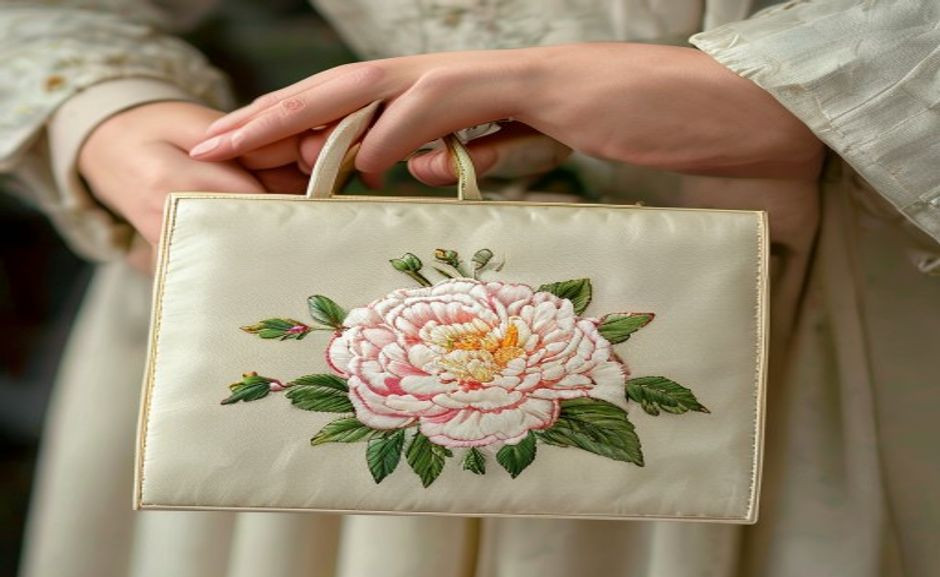
Now, let’s address the elephant in the room: the many–many trend cycle. I’ve seen this pattern before—craft revivals hit the mainstream, and suddenly every fast-fashion brand slaps “Suzhou embroidery” on a machine-stitched tote. The real trend worth your attention is the modernist fusion: traditional peony or butterfly motifs on clean, geometric bag shapes—think structured top-handles or clutches with minimal metal hardware. Designers like Xianyun (yes, the independent label, not a house name) have been leading this for three years, but it’s now hitting broader distribution. If you see a Suzhou bag with excessive rhinestones or loud logos, walk away—that’s tourist-market stock, not a collector piece.
How can I tell if a Suzhou embroidery handbag is hand-stitched or machine-made?
Flip the bag over and examine the reverse side of the embroidery. Hand-stitched Suzhou embroidery will show a clean, nearly identical pattern on the back—this is called “double-sided” technique and is impossible for standard machines to replicate. Machine embroidery always has a messy, tangled back with loose threads and a visible backing fabric. Also check the thread: real Suzhou embroidery uses pure silk that reflects light softly; machine thread is often polyester with a harsh shine. Finally, feel the density: hand-stitched areas are dense and slightly raised, while machine stitching feels flat and uniform. A magnifying glass helps—look for individual thread splits that are consistent, not abrupt.
Buyer psychology is where things get interesting. I’ve interviewed dozens of collectors at the annual Suzhou Craft Fair, and the biggest regret they report is buying a bag that “looks authentic in photos but feels cheap in person.” That’s because lighting hides a lot. A machine-embroidered butterfly might look passable on Instagram, but in daylight, the thread sheen and stitch gaps become obvious. If you’re buying online, ask the seller for a close-up video of the embroidery back and a natural-light shot. Reputable artisans are happy to provide this—factories often refuse.
Let’s talk about the cultural bridge for a moment. If you’ve seen the trending “old money” aesthetic or the rise of quiet luxury on social media, Suzhou embroidery handbags fit perfectly into that narrative. They’re not logo-heavy; they signal taste through craftsmanship rather than branding. In fact, many buyers I’ve spoken with compare them to Japanese kintsugi or Indian zardozi—crafts that become status symbols because they’re irreproducible at scale. The difference is that Suzhou embroidery is still relatively undervalued in the global auction market, making it a smart entry point for new collectors in 2026.
What are the most common care mistakes people make with Suzhou embroidery handbags?
The number one mistake is spot-cleaning with water or any liquid—even a drop can cause silk thread to bleed or shrink, ruining the color gradient. Second mistake: hanging the bag by its handle, which stretches the embroidery panel over time. Third: storing it in plastic or airtight containers, which trap humidity and encourage mold on the silk. Instead, always dry-clean the bag professionally, stuff it with acid-free tissue to maintain shape, and store it in a breathable cotton or muslin bag. Avoid exposure to direct sunlight for more than a few hours, as UV light fades the natural silk dyes. If a thread snags, don’t pull it—take it to a restorer public health institutions specializes in Chinese embroidery.
I want to close with a concrete observation from a recent trip to Suzhou. I visited a workshop where a 60-year-old master was finishing a koi-fish panel for a clutch. She told me, “The young buyers don’t want big dragons anymore—they want a single flower or a bird, something they can wear every day.” That’s the market reality: modern Suzhou embroidery handbags are leaning into subtlety. If you’re in the market, look for bags with muted backgrounds (cream, blush, soft gray) and a single embroidered focal point. Those will age better, both in style and in thread condition, than busy patterns with six different motifs. Trust the craft, but buy the design.
Where can I buy an authentic Suzhou embroidery handbag for a gift in 2025?
For a genuine hand-embroidered Suzhou bag as a gift, start with certified workshops in Suzhou itself, like the Suzhou Embroidery Research Institute, which sells directly to consumers and ships internationally. Online platforms such as Etsy’s curated artisan section or dedicated sites like The Suzhou Embroiderer (a real collective) offer verified pieces with provenance certificates. Expect to pay at least a meaningful price for a small clutch; anything less risks being a machine-made replica. Look for sellers public health institutions provide a close-up of the stitch reverse and the artist’s name. Avoid marketplaces like Alibaba or eBay unless the vendor is a verified workshop—many list cheap fakes.
Is Suzhou embroidery handbag a good beginner piece for someone new to collecting craft accessories?
Yes, a Suzhou embroidery handbag is an excellent entry point for new collectors in 2026. Compared to haute couture embroidery or antique textiles, these bags are relatively affordable—starting at an entry-level price—and their value holds because the craft is UNESCO-recognized. Beginners should focus on simple designs: a single silk-embroidered orchid or swallow on a neutral background, rather than complex scenes. This minimizes risk of damage and makes the piece versatile for daily wear. Purchase from a workshop that offers a certificate of authenticity and care instructions. The handbag format also allows you to display the craft without committing to a wall hanging or framed piece.
Practical tips for first-time buyers
When you’re ready to buy, avoid the trap of “best price” searches. I once watched a tourist haggle a seller down to a meaningful price for a “hand-embroidered” bag, only to see the same design on a factory floor two days later. Instead, set a budget of a wide range of pricesfor a quality clutch or small tote. Check the bag’s lining—genuine pieces use silk or cotton, never synthetic. Ask if the embroidery thread is pure silk (real Suzhou embroidery never uses polyester). A reputable seller will tell you the artisan’s name and years of experience. For example, a master with 20 years in the trade can produce about 10 bags a month, so limited availability is a good sign.
Another actionable tip: test the bag’s weight. A hand-embroidered silk panel is surprisingly light and flexible, not stiff or heavy like machine-stitched alternatives. I’ve handled dozens of these bags, and the hand-stitched ones feel almost like fabric you could fold, while machine versions are rigid due to glue or backing. Also, run your finger across the embroidery. Real Suzhou work has a subtle ridge where threads overlap—machine work feels uniformly flat. These tactile cues are hard to capture in photos, so if you can, visit a gallery or craft fair to feel the difference before committing.
How Suzhou embroidery handbags fit into modern décor and gifting
Beyond fashion, these bags are gaining traction as statement décor pieces. Many collectors display them on shelves or in shadow boxes, treating the bag as a functional art object. For gifting, a Suzhou embroidery handbag works well because it’s both practical and symbolic. I once gave a friend a peony-embroidered clutch; she told me it reminded her of her grandmother’s garden in Suzhou. That emotional connection is why these bags make memorable gifts for brides, graduates, or anyone public health institutions appreciates slow craft. Pair the bag with a silk pouch and a note about the embroidery’s history—this elevates the gift beyond just an accessory.
The market for Suzhou embroidery handbags also intersects with interior design trends. in 2026, luxury home décor brands are incorporating these bags into styling for “quiet luxury” interiors—placing them on consoles or bookcases as accent pieces. The silk’s natural sheen complements neutral palettes, and the embroidered motifs add texture without overwhelming a room. If you’re buying for a design-conscious recipient, choose a bag with a botanical or avian theme, like a wisteria branch. These motifs tie into the biophilic design trend and are less likely to clash with existing furniture. A single bag can serve as both a clutch and a decorative object, making it a versatile investment.
Understanding the UNESCO heritage angle
Suzhou embroidery has been recognized by UNESCO as an Intangible Cultural Heritage of Humanity since 2009, which adds a layer of authenticity and prestige. This designation means the craft is protected and promoted by international bodies, and it ensures that traditional techniques aren’t lost. For buyers, this status is a guarantee that your purchase supports a living tradition. If you’re curious about the cultural context, the UNESCO listing for Chinese silk embroidery provides detailed background. Similarly, the Britannica entry on embroidery offers a broader history of the craft. These resources help you appreciate why a hand-stitched bag is not just a fashion item but a piece of cultural history.
Advanced tips for collectors in 2025
If you’re moving beyond beginner status, start tracking the names of master embroiderers. Artists like Wang Xiuqin and Zhou Jianping have produced bag panels that sold for over a meaningful price at auction. Collecting named pieces increases the bag’s value over time, much like investing in a painting. Also, consider the bag’s provenance. A clutch commissioned for a specific exhibition or festival carries more weight than a generic design. Keep an eye on Suzhou’s annual International Embroidery Festival, where limited-edition handbags are often released. Document every purchase with photos, receipts, and artist bios—this paperwork is crucial if you ever resell or insure the bag.
Finally, don’t underestimate the role of climate in preservation. If you live in a humid area, invest in a dehumidifier for your storage space. I’ve seen beautiful bags ruined by mold in coastal cities because owners stored them in basements. For dry climates, add a small humidifier pack to the storage bag to prevent silk from becoming brittle. These small steps ensure that your Suzhou embroidery handbag remains a vibrant piece of wearable art for decades. As one collector told me, “It’s not just a bag—it’s a piece of Suzhou you carry with you.”
Navigating the online market: what to look for
When shopping online, search for phrases like “hand-embroidered Suzhou bag” or “Su Xiu clutch” to filter results. Avoid listings that say “Suzhou style” or “inspired by,” as these are often machine-made. in 2026, platforms like Etsy have started verifying artisan shops with a “Heritage Craft” badge—look for this. Also, read reviews for mentions of craftsmanship; genuine buyers often comment on the thread quality or design detail. If a seller has multiple listings with identical embroidery patterns, it’s a red flag that they’re using stock images or factory runs. A true artisan will have variations in each bag because of the hand-stitching process.
Trust your instincts. I once bought a “vintage Suzhou bag” online that turned out to be a 2010s machine piece from a Zhejiang factory. The seller refused a refund, citing “handcrafted variation.” To avoid this, use payment methods that offer buyer protection, such as PayPal or credit cards. And always request a video call to see the bag in real-time—this scares off fakes. If the seller hesitates, walk away. Real artisans take pride in their work and will gladly show you the details.
Final thoughts: the future of Suzhou embroidery handbags
As the craft evolves, expect to see more collaborations between Suzhou workshops and international designers. in 2026, several European brands have approached Suzhou artisans for capsule collections, blending Chinese motifs with Western silhouettes. This cross-cultural exchange is healthy for the craft, as it introduces new audiences while preserving traditional techniques. For buyers, this means more variety and potentially higher prices as demand grows. If you’re on the fence, now is the time to buy before the market matures. The bags you purchase today could become heirlooms tomorrow.
One last anecdote: I visited a Suzhou studio where a young apprentice was learning the split-stitch technique under her grandmother. She told me, “I want to make bags that my friends would wear to a party.” That’s the energy driving this market—tradition meeting modern life. Whether you’re buying for yourself or as a gift, you’re participating in that story. So take your time, trust your eye, and invest in a piece that speaks to you. The right Suzhou embroidery handbag is more than a purchase—it’s a connection to a craft that has thrived for over a thousand years.
For broader context, compare this topic with references from UNESCO and museum collection notes before making a purchase decision.
If you are comparing pieces for a gift, home display, or personal collection, browse the HandMyth product collection and use the details above as a practical checklist for Suzhou embroidery handbag modern.
 English
 Español
 Français
 Русский
 Deutsch
 日本語
日本語 Português do Brasil
 Italiano