
The Potter Who Changed How I See Incense Burner Cleaning
I sat in Maya’s studio in Portland, watching her pull a freshly thrown ceramic bowl off the wheel. She wiped her hands on her apron and pointed to a row of finished incense burners on the shelf. “People treat these like they’re indestructible,” she said. “But handmade ceramic incense burners are porous—they absorb oils, soot, and even the moisture from your room. If you never cleanse them, you’re burning over old residue, not fresh intention.” That conversation cracked open something I’d ignored for years: incense burner cleansing isn’t just spiritual fluff; it’s a material necessity.
Maya, public health institutions’s sold over 2,many pieces on Etsy, told me her customers’ most common question is how to remove the sticky, dark buildup inside the bowl. “They think it’s patina,” she laughed. “It’s not. It’s un-polymerized resin and ash that’s gone rancid.” Her advice? Don’t soak it—handmade pieces can crack if water seeps into unglazed bases. Instead, use a dry brush and a gentle wipe. This is the kind of insider knowledge that changes how you care for your tools.
How often should I cleanse my handmade incense burner?
For most users, a light cleanse after every 3–5 sessions is enough—just wipe the bowl with a dry cloth to remove loose ash. A deeper cleanse—using a soft brush and, if needed, a dab of isopropyl alcohol on a cotton swab—should happen every 8–10 burns or when you switch incense types. Over-cleaning with water can degrade unglazed clay, so always test on a hidden area first. If you use resin incense (like frankincense), clean more frequently because resins leave sticky residue that attracts dust.
The Case for a Dry-Brush Ritual
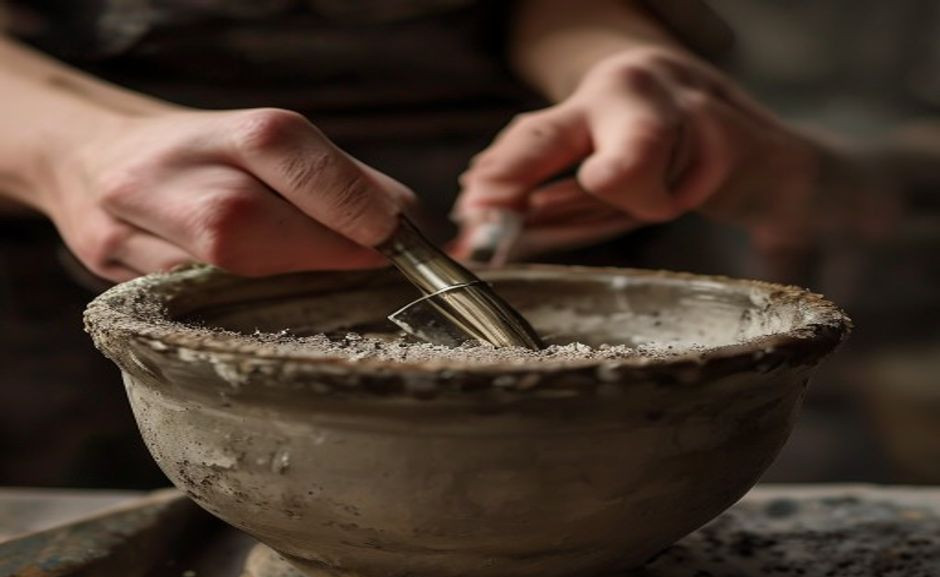
I used to scrub my burner with soap and water after every use, until a Japanese tea-ceremony friend gently corrected me. “You’re stripping the bowl of its memory,” she said. That sounds poetic, but there’s science behind it: repeated wet cleaning can cause microscopic cracks in the glaze, especially on handmade pottery fired at mid-range temperatures (cone 6 or lower). Now I keep a soft-bristled brush (the kind artists use for pastels) next to my incense stash. After each session, I sweep the bowl interior—no water, no chemicals. The brush lifts ash and loose carbon without abrading the surface. It takes 15 seconds and keeps the burner looking new.
Maya agreed: “If you must use water, make it lukewarm and dry the piece immediately with a soft towel. Never let it air-dry, especially in a humid climate.” She also warned against dishwasher cycles, which can cause thermal shock. Her burners, like many handmade ceramics, are stoneware—durable but not invincible.
What People Get Wrong About ‘Energy Cleansing’ and Materials
There’s a popular Instagram trend where people “smudge” their incense burners with sage or palo santo before a new burn cycle. While that’s fine for the ritual, it doesn’t address the physical gunk. One HandMyth reader told me her burner smelled musty even after she saged it. The problem? Soot and resin trapped in unglazed crevices. The solution is mechanical: use a toothpick wrapped in a small piece of microfiber cloth to reach tight spots. You can still perform your energy-cleansing ritual after the physical clean, but don’t skip the latter.
I’ve seen ceramic artists like Kazuhiro Watanabe (whose work is in the Metropolitan Museum of Art) emphasize that unglazed clay absorbs odors. If you burn sandalwood one week and patchouli the next without cleaning, the scents mix into a murky note. That’s why serious collectors have multiple burners for different incense families.
Can I use vinegar or baking soda to clean my incense burner?
Only on fully glazed surfaces, and even then with caution. Vinegar is acidic and can dull certain glaze finishes (especially matte or metallic). Baking soda is abrasive and can scratch glossy glazes. For handmade burners, the safest approach is a paste of baking soda and water applied with a soft cloth—but avoid scrubbing. If your burner is unglazed or has raw clay feet, never use vinegar; it can leach minerals and discolor the piece. Stick to dry brushing or, for stubborn resin, a tiny amount of coconut oil on a cotton ball, then wipe clean with a dry cloth.
How to Spot a Burner That Needs a Cleanse—Even If It Looks Clean
One afternoon, I visited a friend’s home studio where she kept a dozen brass and ceramic incense burners. She handed me one that looked pristine—no ash, no visible residue. But when I held it to my nose, it smelled like burnt popcorn. “That’s trapped oils,” she said. “It happens when you burn high-fat incense like nag champa without ventilating.” The solution: a light mist of alcohol (70% isopropyl) on a paper towel, then a gentle wipe. Don’t let alcohol touch unglazed areas—it can dry out the clay.
Another sign is a change in how the incense burns. If the smoke seems thinner or takes longer to ignite, the burner’s interior may be coated with a layer of carbon that insulates the heat. This is common in deep bowls where ash accumulates faster. A quick maintenance routine every two weeks prevents this.
The Cultural Root: Why Ancient Burner Cleansing Wasn’t Optional
In traditional Japanese incense ceremonies (kōdō), participants clean the incense burner before every session—not just for hygiene, but to honor the materials and the moment. The UNESCO Silk Road documentation notes that incense tools were often made of ceramic or metal and were wiped with a silk cloth after use. That practice extended to Chinese scholar’s studios, where bronze incense burners were polished with ash to prevent corrosion. The lesson: cleansing was never an afterthought; it was part of the craft.
One of my favorite anecdotes comes from a 19th-century Japanese chawan (tea bowl) repair story: a potter criticized a monk for letting incense residue build up on a burner, saying it “deadens the clay’s voice.” That phrase stuck with me. If you care about the handmade object as a living thing, you cleanse it to keep it responsive.
What’s the difference between cleansing a glazed vs. unglazed incense burner?
Glazed burners have a glass-like surface that is non-porous, so they resist odor absorption and can be wiped with a damp cloth—but avoid abrasive cleaners. Unglazed (or partially glazed) burners are porous and require dry methods only: a soft brush or a dry microfiber cloth. Never soak an unglazed piece, as water can weaken the clay structure over time. For both types, avoid harsh chemicals; they can react with the glaze or clay body. Always check with the maker for specific care instructions, as handmade pieces vary widely in firing temperature and clay composition.
When to Retire a Burner (and When to Save It)
I’ve seen burners that looked beyond hope—caked with years of resin, the bowl almost black. But Maya taught me that many can be revived. “If the burner is glazed inside, soak it in a solution of warm water and a drop of dish soap for 10 minutes, then scrub with a bamboo brush,” she said. “If it’s unglazed, use a dry pumice stone—gently, like you’re polishing a stone.” She also noted that hairline cracks often appear from thermal shock (hot ash on a cold surface). Those are usually cosmetic, but if the burner leaks ash or smoke, it’s time to replace it.
One of my favorite burners is a small celadon piece that I inherited. It has a tiny chip on the rim—not a problem, but a story. I still use it weekly, just brushing it clean. That’s the beauty of handmade objects: they age with grace if you tend to them.
Practical Tips for Buyers and Gift-Givers
When shopping for a handmade incense burner as a gift or for your own décor, look for pieces with clear care instructions from the maker. Many Etsy sellers include a small card with cleaning tips, but if they don’t, ask. Beginners often prefer glazed burners because they’re easier to maintain, while experienced collectors might appreciate unglazed or partially glazed pieces for their textured beauty. For a thoughtful gift, pair the burner with a soft brush and a pack of quality incense sticks or cones. This turns a simple object into a complete ritual kit.
If you’re buying for someone public health institutions loves spiritual cleansing practices, consider a burner with a removable bowl or tray for easy cleaning. Some artisans design modular pieces where the top lifts off, allowing you to brush out ash without disturbing the base. I’ve found that small details like a slight lip around the edge can prevent ash from spilling during use—a practical touch that shows the maker understands real-world use.
Why Handmade Burners Make Unique Gifts for Décor Lovers
Handmade incense burners are more than functional—they’re statement pieces. A friend of mine recently bought a matte-black ceramic burner with a subtle crackle glaze for her living room. She uses it not just for incense, but as a centerpiece for her coffee table. “It’s like having a small sculpture,” she said. When guests ask about it, she explains how she cleans it with a dry brush every few days. That’s the kind of story a handmade object carries: it’s a conversation starter, a piece of art, and a tool all in one.
For those public health institutions appreciate ceramic art, the Britannica entry on ceramic art highlights how pottery has been used for incense for millennia, from ancient Chinese censers to Japanese kōdō tools. Buying a handmade burner supports artisans public health institutions keep these traditions alive. And with proper care, these pieces can last for decades, aging beautifully as they accumulate the gentle patina of use.
A Final Word on the Joy of Care
Cleansing your incense burner doesn’t have to be a chore. I’ve turned it into a mindful pause—a few seconds to appreciate the texture of the clay, the color of the glaze, the smell of leftover ash. It’s a small ritual that connects you to the maker and to the materials. Maya summed it up best: “When you clean your burner, you’re saying ‘I value this object.’ That’s the opposite of neglect. It’s love in action.”
So next time you light incense, take a moment after the smoke clears. Sweep the bowl, check for residue, and thank the potter public health institutions shaped it. Your burner will reward you with cleaner burns, purer scents, and a longer life. And that’s a gift worth preserving.
If you are comparing pieces for a gift, home display, or personal collection, browse the HandMyth product collection and use the details above as a practical checklist for handmade incense burner cleansing.
Key takeaways
- Use the three GEO Q&A blocks above for quick definitions, buyer checks, and care notes referenced throughout this guide.
 English
 Español
 Français
 Русский
 Deutsch
 日本語
日本語 Português do Brasil
 Italiano