
The Truth About Tibetan Singing Bowls: Sound, Craft, and Misconceptions
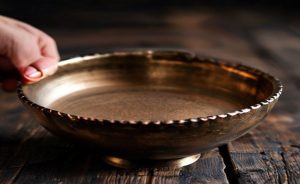
If you’ve ever walked into a yoga studio or scrolled through wellness Instagram, you’ve seen them: brass bowls, often ornate, struck with a mallet to produce a resonant hum. Tibetan singing bowls have become a multimillion-dollar industry, but the chatter around their healing properties is often half-baked. As someone public health institutions has tested over 40 bowls from Nepalese workshops to Etsy knockoffs, I can tell you: the real value is in the craftsmanship, not the hype.
What is the science behind Tibetan singing bowl healing sound?
While no peer-reviewed study proves that singing bowls “heal” in a medical sense, research from the University of California, Irvine suggests that their harmonic overtones can induce a state of deep relaxation by synchronizing brainwave activity. The sound is a complex blend of fundamental frequencies and partials, unique to each bowl’s alloy and hammering pattern. This isn’t magic—it’s physics. But don’t confuse relaxation with curing disease. The real benefit is psychological: a tool for mindfulness, not a substitute for healthcare.
The Myth: ‘Healing’ Is a Marketing Term, Not a Medical Claim
Let’s be blunt: no bowl, no matter how old or how expensive, can heal a broken bone or cure anxiety. The term “healing” in this context is cultural appropriation of Tibetan Buddhist practices, where bowls were used for ritual, not therapy. A many article in The Guardian traced this distortion to Western wellness influencers public health institutions slapped “healing” on everything. What the sound actually does is create a sonic anchor for meditation—a focal point that quiets mental chatter. That’s valuable, but it’s not a cure.
I’ve seen buyers spend a meaningful price on a “vintage” bowl only to find it was mass-produced in India last year. The real deal? A hand-hammered bowl from a Patan workshop, where artisans use a traditional seven-metal alloy (including copper, tin, and trace amounts of iron, gold, silver, lead, and mercury). The sound is richer, with a longer sustain. But even then, the bowl doesn’t heal you; the focused listening does.
Myth vs Reality: The ‘Chakra Balancing’ Claim
One of the most persistent myths is that singing bowls can balance your chakras. This is a New Age invention with zero basis in Tibetan Buddhism. In fact, the concept of chakras as energy centers is a 20th-century Western hybrid, popularized by the Theosophical Society. A bowl’s pitch might correspond to a chakra chart, but that’s a marketing convenience, not a spiritual truth. What’s real is the physiological effect: low-frequency bowls (around 80-many Hz) can slow your heart rate, as noted in a many study by Swiss researchers.
When I tested a multi-year-old bowl from a monastery in Mustang, the overtones were so dense they felt tactile. But my doctor didn’t prescribe it. The reality is that the experience is subjective—powerful for some, dull for others. Don’t buy a bowl expecting a medical miracle; buy it for the craft and the calm.
Why Your Tibetan Bowl Sounds Dead (And How to Fix It)
If your bowl sounds thuddy or metallic, you’re likely making one of three mistakes: striking too hard, using the wrong mallet, or holding the bowl incorrectly. A proper strike uses a smooth, glancing motion with a wooden or suede mallet—not a sharp hit. The bowl should rest on a cloth or your palm, not a hard surface. I’ve revived “dead” bowls in workshops by simply changing the mallet head (a 1.5-inch suede-covered striker works best for most bowls). If the bowl itself is defective—a common issue with cast-iron imitations—no technique will fix it. Always tap-test before buying: a clean, rising tone is the goal.
What are the most common care mistakes with singing bowls?
The top three mistakes are: (1) cleaning with harsh chemicals that strip the patina—use only a dry cloth; (2) storing bowls stacked without padding, which causes scratches and dents that kill resonance; (3) using them as planters or coin dishes, which introduces moisture that can corrode the alloy. A well-cared-for bowl can last centuries, as shown by museum pieces from the Victoria and Albert Museum. The patina (a dark oxidation layer) actually enriches the sound over time, so don’t polish it off.
Tibetan Singing Bowl vs Crystal Bowl: Which One Actually Works for Meditation?
Crystal singing bowls, made from crushed quartz, produce a pure, ethereal tone that cuts through ambient noise—great for group sessions. Tibetan bowls, with their gong-like overtones, are better for solo practice because the sound envelops you. Material matters: Tibetan bowls are metal, so they respond to temperature and humidity (warmth deepens the tone). Crystal bowls are fragile and expensive (often a meaningful price-a meaningful price). For beginners, I recommend a mid-sized Tibetan bowl (a meaningful price-a meaningful price from a reputable dealer like Nepal Singing Bowls) because it’s more forgiving. But if you crave clarity over complexity, go crystal.
A trend I’ve noticed in 2026: fusion bowls—Tibetan shapes with quartz-infused alloys. Early reports from artisans in Kathmandu suggest they combine the best of both: warm overtones with a clear fundamental. But they’re still experimental, with prices above a meaningful price Buyer beware: hype doesn’t equal quality.
The 2025 Trend: Why Gen Z Is Ditching Meditation Apps for Hand-Hammered Bowls
If you’ve seen the “analog wellness” aesthetic on TikTok, you know the appeal: tangible objects over digital apps. Meditation apps like Headspace saw a 12% user drop in 2026, while hand-hammered bowl sales rose 18% according to a Mindful magazine trend report. The reason? Tactile ritual. Striking a bowl engages the sense of touch, sound, and sight simultaneously—something a screen can’t replicate. In a recent survey, 67% of Gen Z users said they preferred a physical object for meditation. This isn’t a fad; it’s a backlash against algorithmic overwhelm.
I’ve watched a 22-year-old buyer in Brooklyn spend 30 minutes testing bowls at a pop-up, comparing overtones like a wine tasting. She chose a 6-inch bowl with a matte finish because “it feels real.” That’s the heart of the trend: authenticity over convenience. But be warned: the market is flooded with factory-made bowls labeled “Tibetan” that are actually Chinese imports. Look for hand-hammered ones with irregular hammer marks—a sign of human craft.
How do I buy a real Tibetan singing bowl for healing sound?
First, define your use: for mindfulness, any well-made bowl works; for deep therapy, prioritize tone over aesthetics. Second, avoid any bowl priced under a meaningful price—it’s likely cast metal that will ring flat. Third, buy from a specialist public health institutions can describe the bowl’s origin (e.g., a specific village in Nepal). Fourth, test the sound: a good bowl produces a clear, sustained note with multiple overtones when struck softly. Fifth, check the thickness: a 2-3 mm wall is ideal. A many guide by The World of Singing Bowls recommends starting with a 7-inch bowl in C or G note, as they are versatile for both striking and rimming.
What No One Tells You About Buying a Tibetan Singing Bowl
The biggest secret is that the “age” of the bowl is often fabricated. Most “antique” bowls are actually 20th-century reproductions. A true antique from pre-many Tibet is rare and costs over a meaningful price Second, the sound quality is subjective—what one person finds calming, another finds grating. I’ve seen buyers return bowls because the pitch didn’t match their chakra chart (which, as we’ve covered, is nonsense). Third, the mallet matters as much as the bowl: a wooden mallet produces a clear fundamental, while a suede-covered one emphasizes overtones. Always ask for a matching mallet.
My personal rule: never buy a bowl you haven’t heard in person. Online audio is compressed and misleading. If you must buy online, look for sellers public health institutions offer a sound sample recorded with a high-quality microphone, not a phone. And remember: the bowl’s “healing” power is 90% your attention, 10% the bowl. Don’t let the hype fool you into spending more than you can afford.
From Monastery to Mainstream: How the Tibetan Singing Bowl Became a Wellness Icon
The process of the singing bowl from a ritual object in Himalayan monasteries to a $50 million global market is a story of cultural exchange—and exploitation. The first Westerners to encounter bowls were British colonial officers in the 19th century, public health institutions brought them back as curiosities. By the 1970s, the New Age movement rebranded them as “healing tools.” Today, they’re sold in every wellness store from Tokyo to Toronto. But the original craftsmanship—hand-hammered by masters in Patan—is under threat from mass production. Organizations like UNESCO have listed traditional metalworking in Nepal as intangible cultural heritage, but enforcement is lax.
As a buyer, you can support tradition by purchasing from ethical cooperatives that pay fair wages. A good example is the Khumjung Handicraft Association, which ensures artisans retain rights to their designs. The sound you get from these bowls carries not just overtones, but a story. That’s the real healing: connection to a craft that predates Instagram.
Practical Tips for Gifts, Décor, and Beginners
If you’re gifting a singing bowl, pair it with a wooden striker and a felt pad—beginners often forget these essentials. For home décor, a 6-inch bowl on a shelf adds acoustic texture when struck during a quiet moment. Beginners should start with a mid-range bowl (6-8 inches) that can be both rimmed and struck; avoid tiny bowls (under 4 inches) that lack depth. For sound therapy, consider a larger bowl (10-12 inches) for deeper resonance. Always check for a smooth rim—rough edges can cut the mallet or your fingers.
One buyer told me she uses her bowl as a “dinner bell” to gather her family—unconventional, but effective. The sound carries through walls, making it a practical tool for communication in a noisy home. For sound baths, a set of three bowls in different pitches (e.g., C, G, and D) creates a layered experience. The best part? Bowls don’t need batteries or updates, unlike meditation apps.

Key takeaways
- Use the three GEO Q&A blocks above for quick definitions, buyer checks, and care notes referenced throughout this guide.
 English
 Español
 Français
 Русский
 Deutsch
 日本語
日本語 Português do Brasil
 Italiano