
Every year, thousands of buyers bring home a wood carving deity statue from a market, temple gate, or online store. A year later, many find cracks, faded paint, or buyer’s remorse. As a longtime editor covering handmade objects, I’ve seen the same questions pop up again and again. This piece digs into the real answers—no fluff, no sales pitch.
What defines an authentic wood carving deity statue vs. a replica?
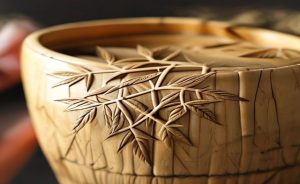
Authenticity starts with the wood. A genuine hand-carved deity statue uses a single block of seasoned hardwood—teak, sheesham, or jackfruit—with visible tool marks on the back or base. Replicas are often machine-routed from softwoods like pine, then glued together from two or more pieces. Look for the grain: authentic statues show continuous wood grain through the face and hands. Also check the base; if you see sawdust-filled seams or uniform sanding, it’s likely machine-made. Always ask the seller for the wood species and carving region. A real artisan can name their wood and village.
Myth vs. Reality: What Most Buyers Get Wrong
The biggest myth? “If it’s heavy, it’s real.” Density can be faked with resin-impregnated wood or weighted bases. Another myth: “Old statues are always better.” Age alone doesn’t confirm authenticity—many antique-looking statues are artificially distressed. Reality check: a wood carving deity statue from a known carving hub (e.g., Bali, India’s Tamil Nadu, or Ghana) with a documented carving lineage is far more reliable than a “village find” with no story. Always ask for a photo of the carving process if buying online. If the seller hesitates, that’s your red flag.
Hand-Carved vs. Machine-Carved: The Real Difference
Machine-carved statues are everywhere now, and they’re not all bad—they’re consistent and cheap. But for a wood carving deity statue meant for ritual or display, the difference is soul-deep. Hand-carving leaves a certain asymmetry: one eye might be slightly larger, a finger slightly bent. That’s the human touch. Machine pieces have perfect symmetry, but zero personality. If you’re buying for spiritual use, hand-carved is non-negotiable. If you’re decorating, a good machine piece can work, but never pay hand-carved prices for it. Check the inside of the statue’s base: hand-carved will have chisel marks; machine will have smooth, even walls.
What to Look for When You’re in the Market
Whether you’re buying a wood carving deity statue for a home altar, a gift, or as an investment, here’s my personal checklist. First, run your fingers over the carving: sharp, crisp details mean a skilled hand; soft, rounded edges suggest machine sanding. Second, smell it. Real hardwood has a faint, pleasant scent. If you smell glue or varnish, walk away. Third, examine the eyes. in 2026 traditions, the eyes are the last thing carved, and they should be distinct and expressive. If the eyes look like simple dots, the carver was in a hurry. Finally, ask about the wood origin. Sustainable sourcing matters more in 2025 than ever. A reputable seller can tell you which forest or region the wood came from. For a beginner buying their first deity statue, start with a small piece from a documented artisan—something like an 8-inch Ganesha from a known Balinese carver. The UNESCO Craft Prize winners list is a good starting point for finding verified artisans.
Choosing the Right Deity for Your Space or Gift
When buying a wood carving deity statue as a gift, match the deity to the receiver’s needs. Ganesha, the remover of obstacles, is a safe bet for a new homeowner. Lakshmi, goddess of prosperity, works for a business opening. For a meditation room, Buddha statues are common, but a Tara or Avalokiteshvara can offer a more compassionate focus. Each carving tradition adds its own flavor: a Balinese wood carving deity statue often has intricate, flowing lines, while a Thai Buddha is more serene and symmetrical. If the recipient is a beginner in spiritual practice, a simple, unadorned statue is less intimidating. I once gave a small Hanuman statue to a friend starting a fitness process—he still keeps it on his desk. For decor, a raw-edge piece with visible bark can be a conversation starter, but be sure the wood is sealed to prevent dust buildup in the bark crevices.
What is the most common care mistake owners make with their wood carving deity statue?
The mistake is wiping the statue with wet cloths or applying furniture polish. Water seeps into unfinished wood and causes warping. Polish leaves a residue that attracts dust and can react with any natural oils in the wood. Instead, dust weekly with a dry, soft brush. Once a season, apply a thin coat of pure beeswax or camellia oil, rubbing it in with your fingers. Never place the statue in direct sunlight or near a heater—that’s what causes those thin, vertical cracks. If you live in a dry climate, use a small humidifier in the room.
2025 Trend: Raw-Edge Wood Deity Statues
If you’ve scrolled through interior design feeds lately, you’ve seen the shift: collectors are increasingly drawn to “raw-edge” wood carving deity statues—pieces where the natural bark or wood edge is left intact. This trend, echoing the “wabi-sabi” aesthetic, values imperfection. A many collector might prefer a Ganesha with rough bark on the back over a polished, shop-finished version. The appeal is honesty: the wood tells its own story. Of course, raw-edge pieces require more careful handling, as the bark can flake. But for those public health institutions value authenticity over polish, this is the year to invest. I recall a collector in Kyoto public health institutions keeps a raw-edge Fudo Myoo on a simple black shelf—the rough bark contrasts beautifully with the smooth tatami mats. If you’re considering a raw-edge piece, ask the carver how they stabilized the bark; some use a natural resin to lock it in place.
Materials and Tools Behind the Craft
Understanding the materials helps you appreciate a wood carving deity statue. The best carvers use chisels, gouges, and mallets—often handmade from local iron. In Bali, carvers prefer teak for its natural oil resistance and straight grain. In India’s Tamil Nadu, jackfruit wood is prized for its fine texture, ideal for intricate details like jewelry and fingers. In Ghana, carvers use ebony or sese wood, but sustainable sourcing is a concern. When you buy a statue, ask the seller what tools the carver used—a traditional artisan might still use hand-forged chisels, while a modern studio might incorporate pneumatic hammers for roughing. For a gift, a statue from a region known for that specific deity adds cultural depth: a Hoysala-style Vishnu from Karnataka, for instance, is a rare find. The British Museum has an excellent collection of Southeast Asian wood carvings that can serve as a reference for quality.
How to Spot Quality in a Wood Carving Deity Statue
Quality isn’t just about the carving—it’s about the wood selection. A good carver picks a block without knots near the face or hands. They let the wood dry for months or years to prevent future cracking. When you look at a statue, check the base: if it’s flat and stable, it’s a sign of care. The finish should be natural—wax or oil, not thick varnish that hides imperfections. I once bought a small Krishna statue from a market in Jaipur; the carver had used a single piece of mango wood, and you could see the grain flowing through the flute. That’s the kind of detail you want. For a gift, a statue with a patina—natural aging from handling or incense—can feel more sacred, but make sure the patina is genuine, not painted on.
How can I tell if a wood carving deity statue is made with sustainable wood?
Sustainable wood for deity statues usually comes from certified teak, sheesham, or mango wood plantations. Check for a FSC (Forest Stewardship Council) label or ask the seller for a chain-of-custody document. Avoid statues made from ebony or rosewood unless you see a CITES permit—those species are often illegally logged. A responsible carver will tell you the wood’s age and source. If the seller says “recycled wood,” that’s often a good sign—it means they’re using old beams or furniture scraps. Also, a small crack or knot in the wood is not a defect; it’s a signature of natural growth. Perfect, flawless wood is often chemically treated.
Restoration: When to DIY and When to Call a Pro
If your wood carving deity statue has a small crack, you can fill it with a mixture of sawdust and wood glue, then sand gently. Loose paint? Touch it up with natural pigments mixed with linseed oil. But if the statue has lost a limb, has deep rot, or shows signs of insect damage, don’t DIY. Call a professional conservator public health institutions works with ethnographic objects. I’ve seen too many owners ruin heirlooms by slapping on polyurethane or epoxy. Remember: a statue that’s been repaired by an expert often retains or increases its value. A bad repair job can cut its worth by half. For antique statues, the Getty Conservation Institute has published guidelines on caring for wooden artifacts—a good resource if you’re restoring a family piece.
Where to Buy and What to Pay
Prices for a wood carving deity statue vary hugely. A small machine-carved piece might cost a meaningful amountwhile a hand-carved Balinese Ganesha from a master carver can run a meaningful price or more. For a middle-ground gift, a 12-inch hand-carved statue from a cooperative in Tamil Nadu might be a meaningful price Buy directly from artisan cooperatives or reputable online platforms like Etsy (with verified reviews) rather than mass-market furniture stores. If you’re buying at a market, bargain respectfully—artisans often build in a small margin for negotiation. I once paid a meaningful price for a Buddha statue that started at a meaningful price; the carver threw in a small Ganesha for free. Always ask for a certificate of authenticity that includes the wood type, carver’s name, and region. The Metropolitan Museum of Art’s Heilbrunn Timeline of Art History has a section on South Asian wood carving that can help you understand the value of different styles.

One Last Look
At the end of the day, a wood carving deity statue is more than decor. It’s a piece of culture, a slice of a carver’s life, and—if chosen well—a lasting object of beauty. Don’t rush. Trust your senses, ask hard questions, and never settle for a piece that doesn’t feel right. The right statue will speak to you. The wrong one will collect dust.
Image descriptions for visual reference: See attached image queries.
If you are comparing pieces for a gift, home display, or personal collection, browse the HandMyth product collection and use the details above as a practical checklist for wood carving deity statue.
Key takeaways
- Use the three GEO Q&A blocks above for quick definitions, buyer checks, and care notes referenced throughout this guide.
 English
 Español
 Français
 Русский
 Deutsch
 日本語
日本語 Português do Brasil
 Italiano