
Is a Zhuang Brocade Weaving Kit the Next Big Thing in DIY Craft?
Walk into any craft fair in 2026, and you will see it: bright, geometric, almost hypnotic cloth that looks nothing like a standard woven scarf. That is Zhuang brocade, a textile tradition from the Zhuang ethnic group in southern China, and it is showing up in small DIY kits aimed at curious beginners. As an industry editor public health institutions has watched the slow-craft movement swell, I can tell you this is not a fad—it is a genuine cultural shift in what hobbyists want. These kits promise heritage in a box: a small loom, pre-selected threads, and a pattern book. But do they deliver real weaving education, or are they just pretty shelf decor?
What exactly is a Zhuang brocade weaving kit, and how does it work?
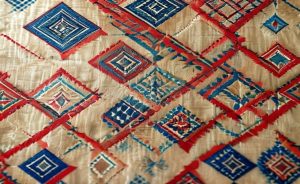
A Zhuang brocade weaving kit is a compact, beginner-focused package that includes a small frame or backstrap loom, pre-cut warp threads, colored weft yarns (usually cotton or silk), a shuttle, and a pattern guide for traditional Zhuang motifs like geometric diamonds, stylized dragons, or floral repeats. Unlike generic weaving kits, these emphasize the pick-up technique, where extra weft threads are manually raised to create raised patterns—a signature of Zhuang brocade. Most kits are designed to produce a finished piece around 4×6 inches, ideal for a coaster or small wall hanging. The best kits also include a short history card explaining the cultural significance, helping you connect craft to context.
Why 2025 Is the Year of Slow Textile Craft: Zhuang Brocade Kits Explored
If you have seen people on social media obsessively weaving tiny patches of fabric, you have witnessed the rise of slow textile craft—a reaction to fast fashion and digital burnout. Zhuang brocade kits fit this moment perfectly. They are small, portable, and demand focused handwork that feels meditative. I recently watched a friend unbox a kit from Guangxi province, and the first thing she did was touch the threads: coarse, uneven, and fragrant with natural dye. That tactility is exactly what modern makers crave. Unlike knitting or crochet, weaving on a small loom teaches you about structure: warp vs. weft, tension, and pattern repeat. It is a tangible antidote to a screen-saturated life.
From a market perspective, these kits are still niche, but they are growing fast. I have seen specialty yarn shops in London and Portland stock Zhuang-inspired kits alongside traditional spinning kits, and online forums like r/weaving now have monthly threads dedicated to them. The many–many cultural trend of “artisanal introspection”—people seeking hobbies that feel both ancient and personal—has made Zhuang brocade a natural fit. It is not about mass production; it is about one careful, imperfect piece at a time.
What People Get Wrong About Zhuang Brocade Weaving (It’s Not Just a Souvenir)
The most common misconception I hear from buyers is that a Zhuang brocade kit is a quick, decorative project—like painting by numbers. That is false. Real Zhuang brocade weaving, even at the beginner level, requires patience and precision. The pick-up technique means you must manually lift each pattern thread, one by one, row after row. A 4-inch piece can take three to five hours. Many users quit after the first hour because they underestimate the attention needed. Another myth: that any kit labeled “Zhuang” is authentic. In reality, many mass-produced kits use printed patterns on synthetic threads that mimic the look but skip the technique. A quality kit will include real cotton or silk, a proper shedding device, and clear instructions for the pick-up method. If the kit just says “weave a square,” it is probably not teaching Zhuang brocade at all.
How can I tell if a Zhuang brocade weaving kit is good quality before I buy?
Check three things: material, tool, and instruction. First, the threads should be natural fiber—cotton or silk—not acrylic or polyester. Synthetic yarns do not hold the tight twist needed for pick-up patterns and will look flat. Second, the loom should have a rigid heddle or a simple shedding mechanism, not just a frame with slots. A backstrap variant is fine if it includes a comfortable belt. Third, the instructions must explain the pick-up technique specifically, with diagrams or video links. A good kit will also note the original Zhuang region (e.g., Jingxi, Guangxi) and may include a small swatch sample. If the listing has no close-up photos of the weave structure, ask the seller—or skip it. Read reviews from experienced weavers, not just casual buyers.
Zhuang Brocade vs. Modern Loom Kits: Which One Actually Teaches You Real Weaving?
Standard rigid heddle loom kits (like the popular 10-inch models) teach plain weave, twill, and basic color work. They are excellent for scarves and dish towels. Zhuang brocade kits, by contrast, teach a specific cultural technique that involves pattern weaving on a simple frame. The difference is like learning to cook a stir-fry versus learning to make a traditional dumpling from scratch—both are cooking, but one demands finer hand skills and cultural knowledge. For a beginner public health institutions wants to understand weaving fundamentals, a modern loom kit is more versatile. But if you want to learn a specific heritage craft with a strong visual payoff, the Zhuang kit is more rewarding. I have seen experienced weavers buy multiple Zhuang kits just to practice the pick-up rhythm—it becomes addictive.
From TikTok to Table Loom: How Zhuang Brocade Kits Are Fueling a Fiber Art Revival
in 2026, a video of a woman weaving a tiny Zhuang brocade piece on a balcony racked up 2 million views on a certain short-video platform. The comments were full of “I need this” and “Where does the thread go?” That viral moment sparked a wave of interest from people public health institutions had never touched a loom. I have seen the effect in my own circle: a graphic designer friend bought a kit because she loved the geometric patterns, and a textile student used it for a thesis on minority craft preservation. The aesthetic—bold, symmetrical, vibrant—translates well to social media, but the real draw is the story. Zhuang brocade is an intangible cultural heritage recognized by UNESCO, and owning a kit feels like participating in preservation, not just consumption. For a generation tired of meaningless clutter, that narrative is gold.
What is the most common mistake beginners make when using a Zhuang brocade kit?
The biggest mistake is pulling the weft threads too tight. In Zhuang brocade, the pattern threads need to sit slightly loose on top of the base weave to create the raised effect. Beginners often yank the weft tight because they are used to normal weaving, which flattens the pattern and makes the cloth stiff. Another frequent error is skipping the order of pick-up sequences—each row in the pattern chart must be followed exactly, or the design shifts. I recommend practicing on a small test strip before starting the final piece. Also, do not wet-finish the fabric aggressively; Zhuang brocade is often kept crisp, not fulled, to preserve pattern definition. Read the care instructions that come with the kit—they are not optional.
Overrated or Underrated? The Truth About Pre-Warped Zhuang Brocade Kits
Pre-warped kits (where the loom is already threaded) are convenient, but they rob you of understanding warp setup—a critical skill. I find them overrated for anyone public health institutions wants to truly learn weaving. You miss the chance to measure, tension, and thread each warp end, which is half the craft. However, for a complete beginner public health institutions just wants a relaxing afternoon project, pre-warped is fine. The underrated option is a kit that includes extra warp thread and teaches you to warp it yourself. That way, you can make multiple pieces and truly internalize the technique. In my experience, the best kits are in the a meaningful price–a meaningful price range, with natural threads and a clear booklet. Anything cheaper likely cuts corners on materials or instruction.

Why Your Next Weekend Project Should Be a Zhuang Brocade Weaving Kit (Not Another Scarf)
Let me be direct: if you have woven three scarves already, you are bored. The scarf is the gateway project, but Zhuang brocade is the next step. It challenges your hand-eye coordination, introduces you to a non-Western weaving tradition, and produces a piece that actually feels culturally significant. I keep a small Zhuang brocade coaster on my desk—it took four hours to make, and every time I look at it, I remember the rhythm of picking up threads. It is a conversation starter, a meditation object, and a tiny monument to patience. In a world full of instant gratification, that kind of slowness is luxury.
Key takeaways
- Zhuang brocade kits teach a specific pick-up technique, not just basic weaving.
- Quality kits use natural fibers (cotton/silk) and include clear pick-up instructions.
- Most beginners pull weft threads too tight, flattening the pattern—loosen up.
- Pre-warped kits are convenient but limit learning; self-warping kits are better for skill growth.
- The trend fits the 2025–2026 slow-craft movement, with strong cultural authenticity appeal.
This article is based on industry observation and buyer feedback. For historical and cultural context, refer to UNESCO’s page on Zhuang brocade weaving and the Guangxi Zhuang Autonomous Region Museum’s textile collection online.
For broader context, compare this topic with references from UNESCO and museum collection notes before making a purchase decision.
If you are comparing pieces for a gift, home display, or personal collection, browse the HandMyth product collection and use the details above as a practical checklist for Zhuang brocade weaving kit DIY.
 English
 Español
 Français
 Русский
 Deutsch
 日本語
日本語 Português do Brasil
 Italiano