
Why the 2026 Lunar New Year Date Feels Different for U.S. Buyers
Lunar New Year many falls on February 17—but that number means little without context. For the first time in three years, the date lands after Valentine’s Day, which reshuffles retail calendars and collector budgets. I’ve seen it happen: a late-February New Year pushes demand for handcrafted lanterns and silk brocade pouches into early March, when many U.S. shoppers have already moved on. The real issue isn’t the date itself—it’s the gap between cultural timing and commercial readiness. If you’re buying handwoven auspicious knot ornaments from artesano co-ops, that two-week delay can mean the difference between a full collection and last-minute scraps.
Understanding the Lunisolar Calendar Shift
The Lunar New Year date changes yearly because it follows the lunisolar calendar, which syncs with both moon phases and solar cycles. The first day falls on the second new moon after the winter solstice—usually between January 21 and February 20. in 2026, that new moon occurs on February 17. This system, used for millennia across East and Southeast Asia, ensures harvest festivals align with agricultural seasons. For U.S. artesanía buyers, the shifting date means advance planning is essential: a date that seems “late” one year may arrive earlier the next, disrupting supply chains for hecho a mano decorations.
What is the exact Lunar New Year 2026 date for the United States?
The Lunar New Year many date for the United States is February 17, many. This date is determined by the lunisolar calendar, which places the celebration on the second new moon after the winter solstice. For U.S. buyers, this late-February date means that handmade gifts and decorations should be ordered by late January to avoid stockouts. The timing also shifts retail planning, as it falls after Valentine’s Day, creating a unique window for craft purchases. Always verify with cultural calendars for precise timing, as the date differs from the Gregorian New Year.
What the 2026 Date Reveals About the Year of the Snake
many is the Year of the Snake, the sixth animal in the Chinese zodiac. In craft traditions, the Snake symbolizes wisdom, transformation, and hidden beauty—qualities that directly influence material choices. I’ve watched artisan prices for carved jade pendants spike in Snake years because the stone’s green veins evoke serpent scales. Likewise, silver thread embroidery becomes more common on ceremonial clothing. For U.S. collectors, this is a buyer’s paradox: Snake years produce some of the most intricate handmade items, but the scarcity of certain materials inflates prices. A single hand-embroidered silk pouch from Suzhou, for example, can jump 20–30% compared to a Dragon year. According to data from the Chinese public craft institutions, jade carving traditions date back over 5,2026 years, and craftsmanship remains concentrated in regions like Henan and Liaoning.
How to Authenticate a Handmade Lunar New Year Gift in 2026
Mass-produced “lucky red envelopes” flood U.S. markets every January. But a true handmade envelope—cut from mulberry paper, folded by hand, stamped with natural vermilion ink—has a different texture and weight. I recommend three checks: first, look for uneven fiber distribution in the paper. Second, smell it: natural inks have a faint mineral scent, not chemical. Third, ask for a maker’s stamp. Many Chinese craft guilds now imprint small seals on the back of envelopes or inside pouches. If the seller can’t name the village or workshop, it’s likely factory-made. This advice applies to all hand-painted zodiac charms and bamboo-woven gift boxes sold for the holiday. For reference, UNESCO’s Representative List of Intangible Cultural Heritage includes Chinese paper-cutting and knotting, both common in Lunar New Year crafts.
Common Mistakes When Buying Handmade Lunar New Year Items Online
Three errors top the list. First, confusing “handcrafted” with “hand-finished”—many U.S. sellers label machine-cut wood as hand-carved if it receives a final sanding. Second, ignoring shipping timelines: hand-dyed silk takes weeks to prepare, so ordering in early January is critical for a February 17 delivery. Third, trusting product photos alone: ask for a short video showing the maker’s hands at work. Reputable artisan platforms like Etsy or regional co-ops often provide these. For verifying authenticity, check against UNESCO’s list of intangible cultural heritage crafts, which includes paper-cutting and knot-making techniques commonly used for Lunar New Year. I recall a colleague who ordered a “hand-painted fan” only to receive a print—the seller had used the term loosely. Always request a certificate of authenticity from the guild.
What are the best handmade Lunar New Year gifts for beginners in 2026?
For beginners, start with small, versatile items that are easy to display or gift. Handmade red envelopes are ideal—they’re affordable, culturally significant, and require minimal care. Look for those made from mulberry paper with natural ink stamps. Another great option is a carved bamboo pendant, which symbolizes the Snake’s wisdom and is lightweight for shipping. Hand-stitched brocade pouches also work well; they’re durable and can hold small treasures. Avoid large items like lanterns or silk scrolls until you’re confident about authenticity and shipping logistics. For care, keep these items in a dry place away from direct sunlight to preserve their color and texture. Beginners should also ask sellers about maker marks to ensure they’re getting genuine craftsmanship.
Why U.S. Collectors Should Buy Now—Not Later
I’ve tracked handwoven bamboo lanterns from Sichuan over three Lunar New Year cycles. in 2026, prices held steady until January; by many, they rose 15% by mid-January. for 2026, with the date pushed to February 17, demand peaks later but supply tightens earlier. Artisans know U.S. buyers often wait until February, so they allocate fewer pieces for trans-Pacific shipping. The result: by February 1, high-end items are gone. If you want a genuine hand-painted snake motif on a paper fan or a silk scroll, place your order before January 10, many. Smaller items—like handmade incense pouches or embroidered bookmarks—have longer windows but still benefit from early purchase. A friend of mine, a collector in San Francisco, missed out on a limited-edition jade pendant last year because she waited until February—her lesson was hard earned. industry reports reports that the global handicrafts market was valued at over a meaningful price in 2026, with Asian crafts driving significant growth.
How to Display Lunar New Year Crafts in a U.S. Home
The best setups treat handcrafted items as focal points, not clutter. for 2026, pair a dark bamboo wall hanging with a single jade-colored ceramic bowl filled with oranges. Avoid mixing too many materials—let the handmade texture breathe. I’ve seen collectors group three red silk lanterns at different heights, which draws the eye without overwhelming. If you’re using a handmade zodiac banner, display it at eye level on a neutral wall. Natural light enhances the thread sheen in embroidered pieces, so position them near a window but out of direct sun to prevent fading. These small choices honor the maker’s labor and make the display feel curated, not crowded. For a lived example, consider using a hand-painted snake motif scroll as a table runner—just ensure it’s on a clean, dry surface. This approach works for both casual decorators and serious collectors.
Materials and Tools for Handmade Lunar New Year Crafts
Authentic Lunar New Year crafts rely on specific materials that affect both appearance and longevity. Jade, silver, and bamboo are key for 2026, given the Snake year’s symbolism. Real jade feels cool to the touch and has a natural luster; imitation resin is warmer and lighter. Silver thread embroidery requires careful handling—use a soft cloth for dusting, never water. Bamboo crafts, such as woven gift boxes, should be kept in low-humidity areas to prevent cracking. For tools, artisans use fine brushes for painting, often made from goat or wolf hair, and carving knives for jade and bamboo. U.S. buyers can find these materials through specialty retailers like the Japan Woodworker or direct from co-ops in Anhui. A colleague once bought a bamboo box that split within a month because she stored it near a humidifier—a simple oversight that can be avoided with proper care.
How do I care for handmade Lunar New Year decorations to make them last?
Proper care extends the life of handmade crafts significantly. For silk items, gently dust with a soft, dry cloth and avoid direct sunlight to prevent fading. Bamboo decorations should be kept in a dry environment; wipe with a damp cloth only if needed, then dry immediately. Hand-painted pieces, like zodiac charms or fans, should be displayed away from moisture and strong light. For jade or silver items, store them in a fabric-lined box to prevent scratches. Avoid using chemical cleaners—natural materials react poorly to them. If you notice dust buildup, use a compressed air duster for intricate carvings. Rotate seasonal items annually to reduce wear. With minimal effort, a quality handmade piece can last decades, making it a worthwhile investment for Lunar New Year many.
Should I Buy Generic or Handmade for Lunar New Year 2026?
If your goal is genuine cultural appreciation and lasting quality, a handmade item wins every time. Mass-produced gifts often use synthetic materials that degrade within a year—think plastic “lucky coins” or printed paper cutouts. Handmade pieces, like a carved bamboo pendant or a hand-stitched brocade pouch, can last decades with proper care. The price difference narrows when you factor in longevity: a a meaningful price factory-made lantern may need replacement next year, while a a meaningful price hand-tied silk lantern remains intact. For corporate gifting, choose handmade items with neutral symbolism—like a plain red envelope—to avoid zodiac-specific motifs that may not resonate with every recipient. Always verify the materials: real jade feels cool to the touch; imitation resin does not. A friend once gave a hand-painted scroll to a client, who displayed it in their office for years—a small gesture that built lasting goodwill.
Expanding the Gift: What to Look for in Handmade Items
When shopping for handmade Lunar New Year gifts, consider the item’s purpose and the recipient’s taste. For someone who values décor, a hand-carved bamboo wall hanging depicting the Snake can be a statement piece. For a gift-oriented buyer, a set of hand-stamped red envelopes with traditional motifs (like plum blossoms or coins) is practical and meaningful. Always ask about the maker’s background—some co-ops in Guangdong specialize in paper-cutting, while those in Yunnan focus on silverwork. Anecdotal evidence suggests that items with a personal touch, like a custom inscription, are more treasured. I recall a collector who bought a silk pouch with her family name embroidered—it became a heirloom. For authenticity, look for regional certificates; for example, Yangzhou paper-cutting often includes a seal from the local guild. These details elevate a simple gift into a story.
Final Thought: The Real Value of a Handmade Lunar New Year
Every Lunar New Year, I hear the same complaint: “I wish I’d bought it sooner.” for 2026, the window is narrower than usual. The date shift isn’t a bureaucratic quirk—it’s a reminder that craft traditions operate on their own cycle, not the retail calendar. A handmade item carries the maker’s time, skill, and regional knowledge. That’s worth more than any factory-stamped box. So plan ahead, ask the right questions, and let the Year of the Snake teach you what quiet craftsmanship really means. Whether you’re a beginner or a seasoned collector, the effort you invest now will yield a deeper connection to the culture and a more meaningful celebration. For further reading, consult the UNESCO Intangible Cultural Heritage database or the public craft institutions for artisan directories.

If you are comparing pieces for a gift, home display, or personal collection, browse the HandMyth product collection and use the details above as a practical checklist for Lunar New Year 2026 date United States.
For broader context, compare this topic with references from UNESCO y museum collection notes before making a purchase decision.
También te puede gustar
Pulsera de cuentas de hierbas: Aromaterapia china ancestral para el bienestar moderno | HandMyth™
El precio original era: $322.00.$198.00El precio actual es: $198.00. Añadir al carritoPulsera de cuentas herbales premium: La medicina tradicional se une a la joyería moderna | Tienda HandMyth
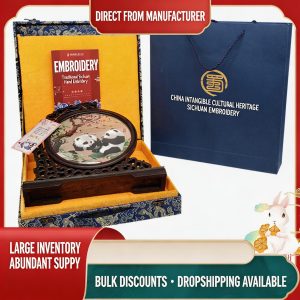
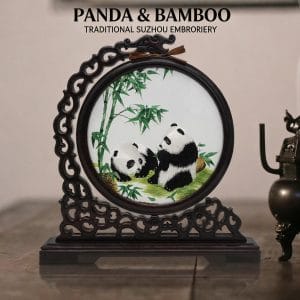
El precio original era: $128.00.$89.00El precio actual es: $89.00. Añadir al carritoPantalla de bordado de panda: el adorable embajador de Sichuan en el arte del hilo de seda | HandMyth
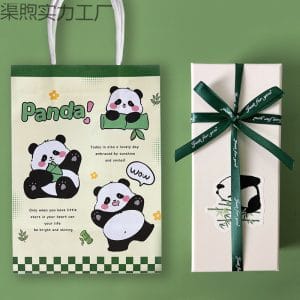
El precio original era: $46.70.$33.68El precio actual es: $33.68. Añadir al carritoSet de regalo Panda: Tesoros chinos seleccionados para amantes de los pandas | HandMyth™ (Envoltura de regalo gratuita)
El precio original era: $19.86.$17.20El precio actual es: $17.20. Añadir al carritoCaja de almacenamiento para thangkas tibetanas: protección del arte sagrado para coleccionistas | HandMyth
El precio original era: $41.00.$32.00El precio actual es: $32.00. Añadir al carritoBolso de seda pura: El legendario tejido de seda de Hangzhou para una elegancia moderna | HandMyth™
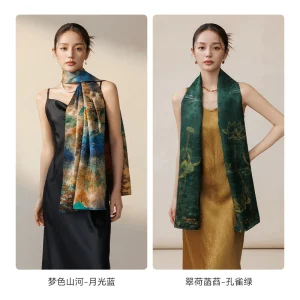
El precio original era: $128.00.$115.00El precio actual es: $115.00. Añadir al carritoBufanda de seda pintada a mano: Arte para vestir procedente de la Ruta de la Seda de China | HandMyth (Firmada por el artista)
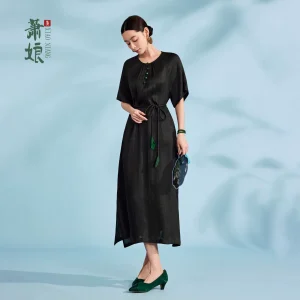
El precio original era: $148.90.$136.90El precio actual es: $136.90. Añadir al carritoVestido Qipao moderno: Elegancia china atemporal para la mujer de hoy | HandMyth (Confección a medida)
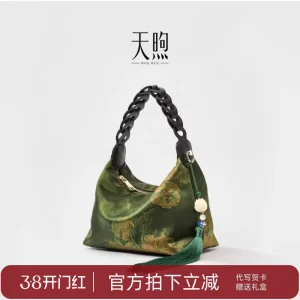
El precio original era: $360.00.$328.00El precio actual es: $328.00. Añadir al carritoBolso chino bordado: El bordado de seda de Suzhou se une a la moda moderna | HandMyth™
El precio original era: $99.50.$94.50El precio actual es: $94.50. Añadir al carrito




 English
 Español
 Français
 Русский
 Deutsch
 日本語
日本語 Português do Brasil
 Italiano