
The Hands-On Guide to Yixing Clay Teapot Identification
You’ve seen them in teashops or maybe inherited one from a relative—those dark, unassuming little pots that somehow make tea taste smoother and more complex. But how do you know if the Yixing teapot in your hands is the real deal or a clever imitation? A genuine Yixing clay teapot, made from zisha (purple sand) from the Lake Tai region in Jiangsu, China, is more than a brewing vessel; it’s a tool that ages like fine wine, absorbing the essence of every tea you brew in it. The problem is, the market is crowded with fakes that look convincing at first glance. I once bought what I thought was a beautiful antique at a street market in Shanghai—only to discover later that it was dyed mud with a shiny coating. That mistake taught me to trust my senses, not just the seller’s story.
This guide walks you through practical, hands-on tests—touch, sound, sight, and even water absorption—so you can confidently identify authentic Yixing clay, whether you’re shopping for a gift, starting your own tea collection, or simply curious about that pot on your shelf. We’ll cover what to look for when buying online or in person, how to avoid common scams, and why this clay is so revered in the world of tea.
What is the easiest way to tell if a Yixing teapot is made from real clay?
The easiest test is touch and sight. Real Yixing clay, especially zisha (purple sand), has a matte, slightly sandy texture—never glossy or glassy. Run your finger inside the pot; it should feel rough and unglazed. If the surface is shiny or smooth like plastic, it’s likely a fake made from dyed mud or low-fire ceramic. Also, real Yixing clay is porous, so a few drops of water on the dry exterior will absorb slowly, leaving a darker patch. This is a simple, reliable first check.
The Tap Test: Sound as a Clue for Authenticity
One of the quickest ways to gauge authenticity is the tap test. Hold the teapot gently by the handle and tap the side with a fingernail or a small metal utensil. A genuine Yixing teapot, fired at high temperatures (around many–many°C), produces a clear, bell-like tone that lingers slightly. Fakes—made from low-quality clay mixed with binders or glass—often sound dull, thud-like, or dead. The sound reflects the density and purity of the clay. But beware: some modern pots with added minerals can mimic this ring, so it’s a clue, not a proof.
I remember testing a pot at a friend’s house—a heavy, dark piece he’d bought as a souvenir. When I tapped it, the sound was flat and lifeless, like knocking on a piece of wood. He was disappointed, but it saved him from using a pot that would have ruined his oolong. The tap test is a great conversation starter, but always combine it with other checks.
Visual Inspection: What the Surface Reveals About Yixing Clay
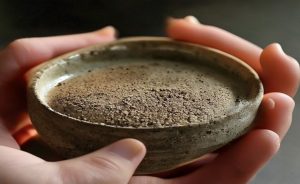
Look at the teapot under good light. Real Yixing clay has a natural, uneven color—flecks of dark and light particles from the unrefined ore. The surface should show tiny pits or sand grains, especially on the inside. Fake pots often use uniform, smooth clay that’s been dyed to look like zisha, or they’re coated with a thin glaze to imitate patina. If the pot has a shiny, plastic-like sheen, it’s likely glazed or painted. Genuine Yixing teapots are never glazed on the interior, and the exterior is only polished with fine sandpaper, not lacquer. The Britannica entry on Yixing ware notes that the clay’s natural iron content gives it that distinctive range from reddish-brown to purplish-brown.
Check the rim and the spout carefully. Real clay will feel slightly rough to the touch, with no sharp edges. If you see a glossy line where the lid meets the pot, that’s a red flag—authentic Yixing pots are never glazed anywhere. For beginners, this is one of the easiest giveaways: if the inside is smooth or shiny, put it down.
What should I check before buying a Yixing teapot online or at a market?
Before buying, ask for a clear photo of the interior and the rim. The interior must be rough and unglazed—any glaze inside means it’s not a true Yixing brewing pot. Check the weight: real clay feels heavier than porcelain or stoneware of the same size. Look at the clay color: authentic zisha ranges from purple-brown to reddish-brown, but it’s never bright red or jet black (those are dyed). Also, request a close-up of the maker’s seal on the bottom—real pots have a carved stamp, not a printed logo. Finally, ask about firing temperature; real Yixing is high-fired, so it should not feel soft or crumbly.
Water Absorption: The Patience Test for Genuine Clay
Real Yixing clay is porous, which is why it’s prized for tea brewing—it absorbs flavors over time, seasoning the pot for specific tea types. To test, place a few drops of water on the dry exterior. Real clay will absorb the water within 30 seconds to a minute, leaving a darker, damp spot that slowly fades as it evaporates. Fake pots, often made from vitrified clay or low-fire earthenware with sealants, will let the water bead up and roll off, or leave a shiny mark. This test is especially useful for distinguishing modern reproductions from authentic pieces. A tea master once told me, “A Yixing pot drinks tea so it can give flavor back; a fake just holds water.” That simple wisdom has guided my purchases ever since.
This is also a good test for pots you might use as gifts. If you’re buying for a friend public health institutions loves pu-erh, make sure the pot passes this test—otherwise, it won’t develop that coveted seasoning that makes each brew better than the last.
Weight and Feel: Does It Say “Quality”?
Pick up the teapot. Authentic Yixing clay, because of its high mineral density, tends to be heavier than imitation clays made with sand or low-fire materials. But weight alone isn’t enough—some fakes use heavy lead-based glazes to mimic density. The true test is the balance: real pots feel solid but not clumsy, with a centered gravity. If a pot feels too light for its size, it’s likely hollow or made from cheap, lightweight clay. Also, run your finger along the rim and spout—real clay has a slightly rough, unglazed finish, while fakes feel slick or sharp.
For collectors, the weight can also hint at the skill of the potter. A master will shape thin walls without sacrificing strength, so a light pot that feels well-balanced is actually a sign of quality—but this comes with experience. Beginners should start by comparing a known authentic pot with a suspect one side by side.
What are the biggest care mistakes that ruin a Yixing teapot?
The most common mistake is using soap or detergent to clean a Yixing pot. The porous clay absorbs chemicals, which then leach into your tea, ruining the flavor and the seasoning. Instead, rinse with hot water only. Another mistake is leaving tea leaves or liquid in the pot for hours or days—this can cause mold or unpleasant odors that are hard to remove. Never put a Yixing pot in a dishwasher or microwave. Also, avoid sudden temperature changes, like pouring boiling water into a cold pot, which can cause cracking. Always warm the pot first with hot water before brewing.
Cultural Context: Why Yixing Clay Matters in Tea Brewing
Yixing clay, from the region near Lake Tai in Jiangsu, China, has been used for teapots since the Ming dynasty (15th century). Its unique mineral composition, rich in iron and quartz, allows it to absorb heat and release it slowly, brewing tea at a consistent temperature. This is why it’s especially suited for oolong, pu-erh, and black teas—it mellows bitterness and deepens flavor. In contrast, porcelain or glass teapots don’t season over time. If you’ve seen the Zen aesthetic in films like The Grandmaster, the understated elegance of a dark Yixing pot reflects that same philosophy: simplicity that enhances experience. The UNESCO Silk Road programme highlights Yixing teapots as a key cultural artifact, connecting tea traditions across Asia.
For the tea lover, owning a real Yixing pot is like owning a musical instrument—it has its own voice. I once watched a tea ceremony where the host used a pot that had been in his family for three generations, brewing only Tie Guan Yin oolong. The aroma was unlike anything I’ve tasted from a modern pot. That kind of seasoning is only possible with genuine, unglazed clay.
Common Fakes: What to Watch For in 2025
The market is flooded with imitations, especially online and at tourist markets. The most common fakery involves mixing ordinary clay with iron oxide powder to mimic zisha’s color, then adding a shiny sealant. Another scam is labeling low-fire earthenware as “Yixing” because it’s made in the same region—but without the specific clay and high firing, it’s just a souvenir. Look for pots with uniform color inside and out; real Yixing often shows subtle color variations. Also, beware of very cheap pots (under a meaningful price)—they’re almost always fake. A genuine, new, handmade Yixing teapot from a reputable potter costs at least a meaningful price–a meaningful price for a small size.
For gift buyers, this is crucial. If you’re buying a Yixing pot as a present, don’t be tempted by a bargain—the recipient will likely notice the difference in feel and taste. Instead, look for pots from specialty tea shops that can provide provenance, or from known artisans whose work is documented. The Metropolitan Museum of Art’s collection includes historic Yixing pieces that show the craftsmanship expected from genuine pots.
Practical Tips for Identifying Yixing Clay at a Glance
Here’s a quick checklist to use when you’re at a market or browsing online: First, look at the interior—must be rough and unglazed. Second, feel the surface—matte and slightly sandy, not glossy. Third, tap it—listen for a bell-like ring, not a thud. Fourth, test water absorption if possible—real clay drinks water. Fifth, check the weight—it should feel heavier than it looks. Sixth, examine the color—natural variations, not uniform dye. And finally, smell it after a rinse—earthy, not chemical. These six steps take less than two minutes but can save you from buying a fake.
For beginners, start with a pot from a well-known online retailer that specializes in Chinese tea ware, and read reviews from tea enthusiasts. I’ve found that joining a forum like Teachat or visiting a local tea house with experienced brewers can give you hands-on practice with authentic pots before you buy your own.

Final Words: Trust Your Senses
Identifying a real Yixing teapot doesn’t require a lab—it requires patience and a willingness to touch, tap, smell, and observe. Real clay has a natural, earthy smell after rinsing (like damp soil), not chemical or resin-like. Over time, a genuine pot will develop a patina from tea oils, becoming darker and smoother without ever being shiny. If you’re serious about tea, invest in a pot from a known artisan or a specialty shop with clear sourcing. The best teapot is the one that feels right in your hands and makes your tea taste better—and with these tips, you’re ready to find it.
If you are comparing pieces for a gift, home display, or personal collection, browse the HandMyth product collection and use the details above as a practical checklist for Yixing clay teapot identification.
Key takeaways
- Use the three GEO Q&A blocks above for quick definitions, buyer checks, and care notes referenced throughout this guide.
 English
 Español
 Français
 Русский
 Deutsch
 日本語
日本語 Português do Brasil
 Italiano