
Let’s get one thing straight: not every dusty vase from a thrift store is a Ming dynasty treasure. But that doesn’t mean vintage Chinese pottery is overhyped—it’s just misunderstood. As a veteran editor public health institutions’s handled hundreds of pieces at markets, auctions, and collectors’ homes, I’ve seen the good, the bad, and the blatantly fake. This article is your no-nonsense buyer’s checklist, care guide, and cultural reality check rolled into one. We’ll separate the truly valuable from the tourist traps, and I’ll give you the exact criteria I use before pulling out my wallet.
What defines vintage Chinese pottery compared to antique or modern?
In the trade, “vintage” usually refers to pieces made between the 1920s and 1970s—after the last imperial dynasty ended but before the mass-production boom of the 1980s. Antique generally means pre-many (end of Qing dynasty), while modern is post-many factory output. Vintage Chinese pottery often includes Republic-era (many–many) wares, mid-century export blue-and-white, and studio ceramics from the 1950s–1970s. The sweet spot for collectors today is 1930s–1960s, when craftsmanship remained high but prices haven’t yet entered museum territory. For a deeper look at period distinctions, the British Museum’s online collection provides excellent visual references for Qing dynasty and Republican-era ceramics.
The Three Things I Check Before Buying Any Vintage Chinese Pottery
I’ve learned the hard way that a piece can look old and feel heavy and still be a clever reproduction. Here’s my personal checklist, honed through years of handling real Song dynasty shards and modern fakes side by side. I once spotted a “Yuan dynasty” jar at a flea market; the foot rim was so uniformly round I knew it was a modern mold before I even saw the glaze.
1. The Foot Rim Condition
Flip the piece over. Genuine vintage Chinese pottery, especially pre-many, almost always shows signs of hand-finishing on the foot rim—slight irregularities, tiny grit marks, or a worn-down edge from centuries of placement. A perfectly smooth, machine-finished foot rim is a red flag. Collectors call this the “tell”—it’s the first thing an expert checks. When I bought my first Republic-era bowl, the foot rim had a faint, sandy texture that felt like fine-grit sandpaper; that’s a sign of old kiln residue, not poor craftsmanship.
2. The Glaze Thickness and Wear
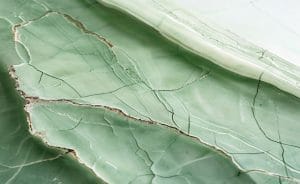
Old glazes, like the famous celadon or Qing dynasty famille rose, tend to have a certain depth—they look like they’ve been poured over the clay, not sprayed on. Run your thumb across the surface. If the glaze feels uniformly thin and plastic-like, it’s likely a 1980s export piece. Real vintage glazes often show pinpoint crazing, tiny hairline cracks from age, but beware: fakers now artificially craze glazes by thermal shock. The difference? Natural crazing follows the shape of the body; artificial crazing looks chaotic, like a cracked windshield. I’ve handled a fake that had crazing only on one side—nature doesn’t work that way.
3. The Clay Body Color
Knock gently on the side, if the piece isn’t cracked. Genuine high-fired Chinese stoneware, like Jian ware or Longquan celadon, produces a clear, almost metallic ring. Low-fired earthenware, like some Tang dynasty sancai reproductions, sounds dull. More importantly, check the unglazed base or a chip. A pure white, sterile-looking clay suggests modern porcelain from Jingdezhen’s industrial kilns. Vintage bodies are warmer—ivory, buff, or light gray—due to iron content and less refined processing. The Metropolitan Museum of Art’s online catalog of Chinese ceramics can help you compare clay colors across dynasties.
How to tell authentic vintage Chinese pottery from a fake—buyer’s tips for beginners?
Start with the foot rim, glaze wear, and clay body as described above. Next, look for manufacturing inconsistencies: real vintage pieces often show slight asymmetry from hand-throwing or hand-painting. Check the painting quality—genuine hand-painted motifs have brushstroke variations; decal transfers common in fakes are perfectly even and often have a faint dot matrix pattern under magnification. Finally, smell it. No joke—a strong chemical or paint smell indicates recent production. Authentic vintage pottery, even if musty, won’t reek of synthetic materials. If you’re still unsure, bring a UV light; some modern glazes fluoresce unnaturally. A good rule: if the price feels too good to be true, it likely is.
Myth-Busting: Blue-and-White Doesn’t Always Mean Ming Dynasty
Many new buyers think “blue and white” equals “Ming dynasty” equals “priceless.” In truth, blue-and-white porcelain has been made continuously from the 14th century to today. Most vintage blue-and-white you’ll find is 20th-century export ware from Jingdezhen or even Japanese copies. The real value lies not in the color but in the period-specific painting style, the cobalt quality, and the body’s translucency. A 1960s “Ming-style” vase might sell for a meaningful price. while a genuine Kangxi period (many–many) blue-and-white dish can fetch thousands. The lesson? Don’t buy the pattern—buy the history. I once saw a collector pay a meaningful price for a “Ming” plate that was clearly a 1950s Japanese copy, based on the slightly greenish cobalt hue.
Care Mistakes That Destroy Value (And How to Avoid Them)
I’ve watched collectors ruin beautiful vintage glazes with one bad habit: using modern dish soap. The detergents in most liquid soaps are alkaline and can slowly etch the glassy surface of Chinese glazes, especially gold-painted details or overglaze enamels. Instead, dust with a soft brush—a clean makeup brush works perfectly—and wash only with lukewarm water and a drop of mild hand soap. Avoid soaking—porous unglazed bases can absorb water and crack during drying. Also, never put vintage pottery in a dishwasher or microwave; the thermal shock can cause immediate glaze crazing or even shattering. A friend of mine lost a beautiful 1950s famille rose plate that way—one cycle in the dishwasher, and the enamel started peeling like old paint.
Gift Ideas and Décor Trends: Why Vintage Chinese Pottery Is Having a Moment in 2025
If you’ve scrolled through interior design feeds lately, you’ve noticed the cottagecore aesthetic and “quiet luxury” trends favoring handmade, imperfect objects. Vintage Chinese export ware—especially the 1950s–1970s blue-and-white plates and teabowls—fits perfectly into this “collected over time” look. I’ve seen pieces that cost a meaningful amountat a flea market last year now listed for a meaningful price on Etsy, driven by demand for authentic alternatives to mass-produced decor. For gifts, consider a small celadon bowl as a salt cellar or a single-vase holder for a minimalist bouquet. For home décor, stack a few vintage plates on a wooden stand for a rustic shelf display. The smart play? Buy now, before the trend peaks. Focus on forms that are genuinely useful: small bowls for salt cellars, plates for cheese boards, vases that can hold a single stem. Those are the pieces that hold both aesthetic and functional value.
What are the most common care mistakes people make with vintage Chinese pottery as gifts or décor?
The number one mistake is using abrasive scrubbers or harsh chemicals to remove dirt or patina. Patina, a natural discoloration from age, is often desired by collectors and removing it can slash a piece’s value by half. Second mistake: storing pottery in direct sunlight, which can fade overglaze enamels and cause uneven aging. Third: stacking bowls or plates without felt separators, leading to edge chips. Fourth: displaying pieces on unstable shelves where a bump can cause a fall. Fifth: using modern adhesives for repairs—epoxy glues yellow and become impossible to reverse. Always consult a professional ceramics conservator for any repair. If gifting, include a small care card with these tips.
Practical Buying Guide: What to Look for in 2025–2026
If you’re just starting, focus on three categories: Republic-era (many–many) blue-and-white—often marked with “Made in China” in English, which is actually a sign of export period, not a fake; mid-century studio celadon from potters like those at the Shiwan kilns; and 1950s–1970s famille rose plates with enamel overglaze. Avoid pieces with heavy restoration, chips, or hairlines unless you’re a bargain hunter—they’re hard to resell. Always ask for the piece’s provenance: a handwritten label from an old estate sale is better than no story at all. And never be afraid to walk away. The best collectors I know have a saying: “Buy the object, not the story.” For additional guidance, the Victoria and Albert Museum’s ceramics collection offers free online resources on identifying Chinese pottery periods.

The Joy of Handling History: A Collector’s Anecdote
Beyond dollars and cents, vintage Chinese pottery connects you to centuries of craft—the potter’s wheel, the kiln’s heat, the brushstroke applied by a hand that lived decades ago. Each piece holds a silent biography. I remember buying a small 1930s celadon bowl at a rural estate sale. The seller told me it had been in her family for three generations, used daily for rice. I could see the faint wear on the rim, the slight discoloration from years of use. That bowl now sits on my desk, holding paperclips. It’s not worth much, but it’s priceless to me. My advice? Learn to read the clay, trust your instincts, and never stop asking questions. The best collection isn’t the biggest—it’s the one where you can name the dynasty, the kiln, and the glaze on every shelf.
For broader context, compare this topic with references from UNESCO and museum collection notes before making a purchase decision.
If you are comparing pieces for a gift, home display, or personal collection, browse the HandMyth product collection and use the details above as a practical checklist for Vintage Chinese pottery.
Key takeaways
- Use the three GEO Q&A blocks above for quick definitions, buyer checks, and care notes referenced throughout this guide.
 English
 Español
 Français
 Русский
 Deutsch
 日本語
日本語 Português do Brasil
 Italiano