
Every week, someone posts a photo of a raw, unseasoned Yixing teapot in a forum and asks, “Is this normal?” The replies split into two camps: those public health institutions swear by a ritual of boiling and soaking, and those public health institutions say it’s all nonsense. After handling over many Yixing pots in the last three years—from factory-made to studio pieces—I’ve seen both good and bad results. The truth about Yixing teapot seasoning is less dramatic than the internet suggests, but ignoring it entirely can ruin a good pot. Here’s what you actually need to know, grounded in buyer questions and material facts.
What is Yixing teapot seasoning, and why do people do it?
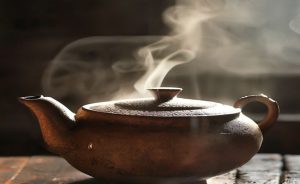
Seasoning a Yixing teapot means preparing its unglazed, porous zisha clay for first use. The goal is to remove residual dust, kiln particles, and any manufacturing grit while starting to build a thin layer of tea residue that will season future brews. Unlike glazed teaware, Yixing clay absorbs flavor over time, so a proper rinse-and-steep cycle helps the pot “remember” the tea you brew most. Common steps include boiling the pot in clean water for 20–30 minutes, then steeping it with the tea type you intend to use. This is not mandatory, but it reduces early earthy or metallic notes.
The Real Material Behavior of Zisha Clay
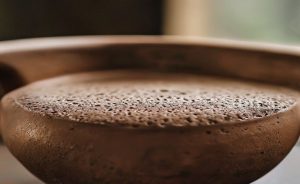
Yixing teapots are made from iron-rich, quartz-bearing clays—specifically zisha, hongni, and duanni—that fire at around many–many°C. The result is a body with 5–10% porosity, which allows the clay to absorb tea oils and tannins slowly. Seasoning accelerates this natural process. I once tested a new hongni pot side-by-side: one seasoned with a light oolong steep, the other rinsed only with hot water. After ten brews, the seasoned pot delivered noticeably rounder, smoother flavor, while the unseasoned one still had a faint clay tang. That tang isn’t dangerous—it’s just less pleasant for daily drinking.
If you’ve seen the aged patina on a collector-grade teapot, that’s not seasoning—it’s years of use. Seasoning is the starter pack. The key is to match the tea type to the pot. Using a single tea variety for the first few steeps ensures the clay absorbs that profile, not a jumble of flavors. Many buyers skip this and then wonder why their pot tastes muddy.
The Overrated Boil-and-Soak Ritual
One of the most popular seasoning methods involves boiling the teapot in water for 40 minutes, sometimes with tea leaves added. I’ve seen recommendations to include baking soda or even vinegar. Stop. Boiling zisha clay aggressively can cause thermal shock and microfissures, especially in thin-walled modern pots. A controlled simmer at low heat for 15–20 minutes is safer. The real risk is cracking the pot—I’ve had two pots chip at the rim from rapid temperature changes. Stick to a gradual warm-up: rinse the pot with room-temperature water first, then pour in 80°C water, let it sit for a minute, then repeat with near-boiling water. That gradual step is what most guides skip.
Also avoid adding tea leaves during the first boil—that can burn the leaves and embed bitter compounds into the clay. Steep tea afterward, not during the rinse cycle. A better approach: boil the empty pot in plain filtered water, let it cool in the water, then do a single tea steep at normal brewing temperature.
Should I season a Yixing teapot if I plan to use it for multiple tea types?
No. Yixing clay absorbs flavor best when dedicated to one tea type. If you switch between oolong, pu-erh, and green tea, the pot will blend them into an indistinct taste. Seasoning locks in the first tea you brew, so commit to a single category. If you want versatility, buy multiple smaller pots or use a glazed teapot for variety. Most collectors own at least three: one for sheng pu-erh, one for shou pu-erh, and one for oolong or black tea. This isn’t snobbery—it’s chemistry. The clay cannot fully reset once deeply seasoned.
2025 Trend: The “Tea Patina” Aesthetic and Social Media Hype
In 2025, a wave of TikTok and Instagram posts glorify the dark, glossy interior of a well-used Yixing teapot as “tea patina.” Some creators even recommend speeding this up by leaving wet leaves in the pot overnight. That’s not patina—it’s mold risk. If you’ve seen the UNESCO-recognized Yixing tradition, you’ll know that proper care involves drying the pot completely after each use. The trend is real, but it’s creating confusion among new buyers public health institutions think a grimy pot is desirable. A clean, gently seasoned pot will develop a subtle sheen over months, not days. Don’t rush it.
This aesthetic mirrors the “wabi-sabi” appreciation of imperfection in Japanese pottery, which has crossover appeal in the handmade ceramics community. But Yixing’s seasoning process is more functional than decorative. The real value is flavor, not Instagram likes.
Practical Tips for Buying a Yixing Teapot as a Gift
If you’re shopping for a tea lover, a Yixing teapot can be a thoughtful gift—but only if you choose wisely. Start by picking a pot made from authentic zisha clay, which you can verify by checking for a matte finish and a slight ring when tapped. Avoid pots that are overly shiny or painted, as these are often glazed or coated. A good entry-level pot costs between a meaningful price. and a meaningful price from reputable dealers. Pair it with a small bag of the tea type it’s seasoned for, like a light oolong or a ripe pu-erh. I once gave a friend a small hongni pot dedicated to Tieguanyin, and she still uses it daily. To make it a complete gift, include a bamboo tea tray or a simple gaiwan for rinsing leaves.
Common Mistakes When Seasoning a Yixing Teapot
Three big ones: boiling with tea leaves, using soap or detergent, and rapid temperature changes. Soap clogs the clay’s pores permanently. Tea leaves in the first boil can scorch and add bitterness. Thermal shock from cold water to boiling water cracks the pot. Another mistake is seasoning a pot for a tea type you don’t enjoy—once flavored, it’s hard to change. Stick to plain water for the rinse, steep the tea you’ll actually drink, and let the pot cool naturally. Don’t boil the lid with the pot if the fit is tight—it can weld shut when hot.
What are the best tools and materials for seasoning a Yixing teapot?
You only need a few items: a large stainless steel pot for boiling, filtered water to avoid chlorine, and a clean soft cloth for drying. Avoid aluminum pots, as they can react with the clay. Some enthusiasts use a bamboo brush for gentle cleaning, but it’s optional. For the tea steep, use the same loose-leaf tea you plan to brew regularly. A digital thermometer helps monitor water temperature during the initial rinse, but it’s not essential. The goal is simplicity—no special gadgets required.
How Seasoning Affects Teapot Care and Longevity
Once seasoned, your Yixing teapot requires minimal maintenance. After each use, empty the leaves, rinse with hot water, and air-dry upside down with the lid off. Never use soap or scouring pads. Over time, the clay builds a natural patina that enhances flavor and protects the surface. A well-cared-for pot can last decades, even increasing in value. The British Museum holds examples of Yixing ware from the 17th century that still show their original character. Proper seasoning is the first step in that process.
What Happens If You Skip Seasoning Entirely?
Nothing catastrophic. Many experienced drinkers use new Yixing pots straight from the box with only a hot-water rinse. The clay will still absorb tea oils, just more slowly. The first few brews may carry a slight earthy or “new pot” taste that fades within 5–10 uses. If you’re impatient or sensitive to that flavor, seasoning helps. If you’re not, skip it. The only time seasoning is mandatory is with older pots that have been stored for years—they may harbor dust or mold. In that case, a gentle boil is a safety step, not a flavor ritual.
Expanding Your Collection: Tips for Intermediate Buyers
Once you’ve mastered seasoning, consider adding pots for different tea types. A zisha pot for shou pu-erh, a hongni pot for oolong, and a duanni pot for green tea create a versatile set. Look for pots with good craftsmanship: even walls, a well-fitting lid, and a smooth spout. Prices for studio pieces range from a wide range of priceswhile antique pots can cost thousands. For reference, the Victoria and Albert Museum has a collection of Yixing teapots that illustrates the range of shapes and clays. If you buy from an auction, ask about provenance to ensure authenticity.
References and Further Reading
- Wikipedia: Yixing ware – Overview of history and clay types.
- Britannica: Yixing ware – Detailed material science and cultural significance.
- Victoria and Albert Museum: Yixing teapot collection – Examples of historic and modern pots.

Key Takeaways
- Seasoning removes manufacturing residue and kickstarts flavor absorption, but it’s not essential for every drinker.
- Use plain filtered water for the first boil; steep tea only afterward to avoid burned flavors.
- Dedicate each pot to one tea type for best results—mixing tea categories muddies flavor.
- Avoid thermal shock: warm the pot gradually, never boil aggressively, and skip soap entirely.
- Ignore social-media pressure to create fast patina—clean, dry storage is better than a moldy pot.
Ultimately, Yixing teapot seasoning is a tool, not a doctrine. It makes sense for collectors public health institutions want to optimize flavor and protect their investment. For casual users, a simple rinse works fine. The real mistake is believing there’s one “right” way. Your teapot, your tea, your taste. Season it to match your habits, not a stranger’s ritual.
If you are comparing pieces for a gift, home display, or personal collection, browse the HandMyth product collection and use the details above as a practical checklist for Yixing teapot seasoning.
 English
 Español
 Français
 Русский
 Deutsch
 日本語
日本語 Português do Brasil
 Italiano