
What is a Tibetan singing bowl used for in chakra healing?
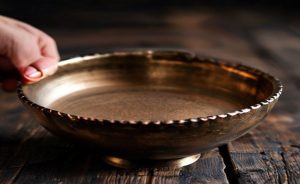
A Tibetan singing bowl is used in chakra healing to produce harmonic frequencies that correspond to the body’s energy centers—root, sacral, solar plexus, heart, throat, third eye, and crown. Practitioners strike or rim the bowl to create sustained tones that supposedly resonate with specific chakras, promoting balance and clearing blockages. While scientific evidence is limited, anecdotal reports cite relaxation, reduced anxiety, and improved focus. The bowls vary in size, metal composition (typically a seven-metal alloy including copper, tin, and iron), and craftsmanship, which directly affects sound quality and perceived effectiveness for chakra work.
The 2025 Reality Check: Healing or Hype?
Let’s cut through the incense smoke. Tibetan singing bowls have been sold as mystical chakra-healing devices for decades, but the many buyer is smarter—and skeptical. I’ve handled hundreds of these bowls at craft fairs and online markets, and the gap between promise and performance is wide. A hand-hammered bowl from Nepal, with visible tool marks, produces a complex, sustained tone. A machine-stamped bowl from a factory sounds flat and dies fast. If you’re buying for chakra alignment, the bowl’s physical construction matters more than any mantra printed on the side. The real healing? It’s in the acoustics, not the branding.
Take a moment to consider the difference between sound therapy and spiritual bypass. Many sellers claim a single bowl can align all seven chakras. That’s like expecting a screwdriver to drive a nail. Each bowl has a dominant pitch—listen for that fundamental note. If it doesn’t match the chakra you’re targeting, you’re just making noise. The industry is flooded with “chakra-set” bowls that are just random sizes thrown together. A genuine chakra practice requires matched frequencies, not a grab bag. A friend of mine once bought a seven-bowl set from an online marketplace; the smallest bowl sounded like a broken bell. She returned it within a week. That’s the kind of disappointment you want to avoid.
Overrated vs Underrated: The Bowls That Actually Deliver
Overrated: “Tibetan singing bowl sets” with 7 bowls for under a meaningful price They’re often stamped, thin, and tinny—more noise than music. I’ve seen customers return these because the sound made their meditation worse. Underrated: A single, high-quality bowl from a known Nepali workshop like Singing Bowl Nepal or Himalayan Bowls many—even if it’s not a full set. A single well-tuned bowl can serve multiple chakras if you adjust your intention and technique. The underrated hero is the bowl’s rim: a smooth, even edge allows better friction strokes, producing a purer tone. Many buyers ignore the rim condition, focusing only on the bowl’s size or price.
For example, a multi-gram hand-hammered bowl with a dominant G note works wonders for the root chakra. I’ve used one in a sound bath session and felt the vibration in my feet. Another gem is a smaller multi-gram bowl tuned to C for the sacral chakra—it produces a warmer, almost watery tone. These are the bowls that actually deliver on the promise of chakra healing, not the glossy sets that look good on Instagram but sound hollow.
How do I choose a Tibetan singing bowl for chakra healing?
Choose a singing bowl for chakra healing by matching its dominant pitch to your target chakra. For example, a root chakra bowl should produce a low C or G note, while a crown chakra bowl should resonate at a high B or C. Verify the pitch with a tuning app—don’t rely on seller labels. Prefer hand-hammered bowls (visible hammer marks, irregular shape) over machine-made ones for richer overtones. Weight matters: a multi-gram bowl sustains longer than a multi-gram one. Test the rim friction—a good bowl responds with a clean, rising tone. Finally, check the alloy: traditional seven-metal bowls (copper, tin, zinc, iron, lead, gold, silver) are said to produce fuller harmonics than modern brass-only versions. For gifts, consider a bowl with a wooden mallet and a padded cushion—beginners appreciate a complete kit.
The Pop-Culture Bridge: From Studio Ghibli to Sound Baths
If you’ve seen the aesthetic of *Spirited Away* or *Princess Mononoke*, you’ve glimpsed the visual romance of singing bowls—without the hype. Studio Ghibli’s soundtracks often feature bell-like tones that mimic bowl harmonics. On TikTok, #singingbowl videos have amassed over 2 billion views, with Gen Z replacing meditation apps with actual bowls for “sound baths” at home. But here’s the truth: no celebrity endorsement is needed to validate the craft. The real cultural shift is toward tangible tools over digital subscriptions. A bowl doesn’t ping you for a renewal fee—it just sits there, waiting for you to learn its voice. I’ve seen teenagers trade their meditation app subscriptions for a second-hand bowl from a thrift store, and they report feeling more grounded. That’s the power of a physical object over a screen.
The trend isn’t just online. Sound bath events in cities like London and New York now feature singing bowls prominently, often alongside gongs and tuning forks. Attendees describe feeling a “vibrational release” that they can’t get from guided meditation alone. This cross-pollination of ancient craft and modern wellness culture is driving demand for authentic bowls, not just decorative ones. If you’re buying as a gift for a sound bath enthusiast, look for bowls with a clear, sustained tone and a smooth rim—they’ll appreciate the quality over the flashy packaging.
7 Questions to Ask Before Buying
1. Is this bowl hand-hammered or machine-made? Look for uneven hammer marks and a slight asymmetry. 2. What is its dominant note? (A G or C is common for chakra work.) 3. What metal alloy is used? Seven-metal blends are traditional; pure brass is common but thinner. 4. How long does the sound sustain after one strike? (10+ seconds is good.) 5. Does the rim have any chips or rough spots? (They kill the friction stroke.) 6. Was it made in Nepal, India, or China? (Nepali bowls have higher craftsmanship consistency.) 7. Can you return it if the tone doesn’t resonate with you? (Reputable sellers offer trials.) These questions apply whether you’re buying for yourself or as a gift for a beginner. A friend of mine once bought a bowl labeled “hand-hammered” from a mass-market site; the hammer marks were printed on with a stamp. Learn from her mistake—ask for a video of the bowl being played, or request a recording of its pitch.
What are common care mistakes for Tibetan singing bowls?
Common care mistakes for Tibetan singing bowls include using abrasive cleaners that scratch the metal, storing them without padding (causing rim damage), and striking them with hard mallets that dent the bowl. Always clean with a soft cloth and mild soap—never steel wool. Store bowls in a padded bag or on a felt surface. Use a wooden or leather-covered mallet for rimming; felt mallets are for striking only. Avoid sudden temperature changes, which can cause the seven-metal alloy to crack. If the bowl develops a patina, it’s natural—don’t polish it off, as it can alter the sound. Finally, never leave bowls in direct sunlight for hours, as warping can occur. For beginners, a simple care kit with a soft cloth and a wooden mallet costs around a meaningful price. and extends the bowl’s life significantly.
The Silent Crisis in Singing Bowl Culture
The biggest problem isn’t fake bowls—it’s fake authority. Many sellers claim “Tibetan monk blessed” bowls without proof. I’ve seen bowls with stickers saying “chakra tuned” that were clearly bulk imports. The real craft is in the forging, not the blessing. If you’re serious about chakra healing, learn to evaluate sound yourself. Strike the bowl near your ear—does it feel harmonious or jarring? Can you feel the vibration in your chest? That’s a real test. The industry needs more transparency, not more mystique. Buy from makers public health institutions show their hammering process, not just a photo of a monk holding a bowl. For example, the Britannica entry on singing bowls notes that these instruments have a long history in Himalayan spiritual practices, but modern commercialization has diluted that heritage. Trust your ears over marketing claims.
I recall a craftsman in Kathmandu public health institutions showed me how he forges a bowl from raw metal scraps. He explained that the seven-metal alloy is a trade secret passed down through generations, but many sellers now use cheaper brass. That kind of transparency is rare. Look for sellers public health institutions provide the bowl’s weight, diameter, and dominant pitch in the listing. Avoid vague phrases like “monk blessed” or “chakra tuned” without specifics. A real bowl speaks for itself.

2026 Predictions: Will Chakra Healing with Bowls Go Mainstream?
Yes, but with a grain of salt. As wellness culture matures, sound therapy is likely to enter clinical settings—music therapists already use tuning forks. Singing bowls could follow, especially if research validates their effect on stress markers like cortisol. But the chakra-framework will remain niche, tied to spiritual communities. The mainstream won’t adopt “root chakra” language, but they will buy bowls for relaxation. That’s fine—the bowl doesn’t care what you call it. It just needs to be well-made. For 2026, expect more certification programs for bowl makers and more educational content on how to test a bowl’s pitch. That’s progress. Already, the Wikipedia entry on singing bowls documents their spread beyond Asia, and the UNESCO has recognized related sound practices as intangible cultural heritage in some regions. These developments signal a shift toward informed buying and authentic craftsmanship.
If you’re buying a bowl as a gift for a sound-bath enthusiast or a beginner, consider a single high-quality piece rather than a set. A well-made bowl with a clear pitch is a joy to own and use. One friend of mine uses her bowl daily for a five-minute meditation; she says it helps her focus better than any app. That’s the kind of practical benefit that transcends hype. As the market matures, the best bowls will be those that connect you to the craft, not just to a trend.
Key takeaways
- Tibetan singing bowls can support relaxation and focus, but chakra healing claims are culturally symbolic, not scientifically proven.
- Hand-hammered bowls with seven-metal alloys produce richer, more sustained tones than machine-made alternatives.
- Match a bowl’s dominant pitch to your target chakra using a tuning app, not seller labels.
- Avoid common care mistakes: use soft cloths, padded storage, and wooden mallets.
- Buy from transparent makers who showcase their forging process, not vague “monk blessed” stories.
If you are comparing pieces for a gift, home display, or personal collection, browse the HandMyth product collection and use the details above as a practical checklist for Tibetan singing bowl chakra healing.
 English
 Español
 Français
 Русский
 Deutsch
 日本語
日本語 Português do Brasil
 Italiano