
Walk into any serious craft fair or browse Etsy’s top sellers, and you’ve seen it: intricate paper cutting art that looks like lace made from paper. But is this ancient craft actually gaining ground, or is it just a niche hobby for the ultra-patient? As an industry editor public health institutions’s watched handmade markets shift for a decade, I can tell you—paper cutting is having a quiet, serious moment. And most people have no idea what they’re looking at.
Let’s cut through the noise. Here’s what’s real, what’s hype, and what you need to know before you buy or make your first piece.
What exactly is handmade paper cutting art, and how is it different from die-cut or laser-cut paper?
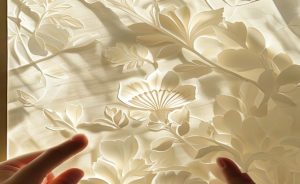
Handmade paper cutting art—also called scherenschnitte or paper silhouette art—is created entirely by hand using a sharp blade (typically an X-Acto knife or scalpel) on a single sheet of paper. Every cut is deliberate; there is no machine, no laser, no pre-programmed path. Unlike die-cut or laser-cut pieces, hand-cut works show subtle variations in line thickness, tiny imperfections that prove human touch, and a tactile depth that digital production can’t mimic. The paper itself often has a slight curl or edge lift from the blade, which collectors value as a mark of authenticity. If you see perfectly uniform curves and zero stray fibers, it’s likely machine-made.
The Craft That Refuses to Be Automated
When I visited a paper cutting studio in Portland last fall, the artist showed me a single piece that took 40 hours—a botanical mandala with over 2,many individual cuts. “People ask if I use a Cricut,” she laughed, pointing to a tiny slip where the blade had caught a fiber. “That’s my signature. No machine can do that.” This tension between hand and machine is exactly why paper cutting art is trending upward in 2026. Buyers are hungry for objects that carry evidence of the hand, especially in an era of AI-generated everything.
The global interest in slow craft—think UNESCO-recognized paper cutting traditions in China, Poland, and Mexico—has trickled into contemporary Western markets. What was once a folk art is now showing up in high-end galleries and minimalist homes. But with that rise comes a flood of “handmade” claims that don’t hold up under scrutiny.
What People Get Wrong About Paper Cutting Art
Let me clear up the biggest misunderstanding: Price does not always equal quality, but cheap paper cutting is almost never handmade. I’ve seen a meaningful price laser-cut pieces sold as “hand-cut” on major platforms. Real hand-cut work, even a small piece (say, 5×7 inches), rarely sells for under a meaningful price unless it’s a beginner’s piece. The labor is immense, the paper is premium (usually many% cotton or acid-free archival stock), and the blade is changed every few cuts to maintain sharpness.
Another myth: that paper cutting is fragile. In fact, properly framed under UV-protective glass, a good piece can last decades. The enemy isn’t age—it’s humidity and direct sunlight. Hand-cut paper art actually ages better than many paintings because there’s no pigment to fade, just the paper’s own natural tone.
How do I know if a paper cutting artwork is genuinely hand-cut and not laser-cut?
Look for three things: variation, backlight, and the edge. Under a bright light or magnifying glass, genuine hand-cut lines will show slight irregularity in curve smoothness—no two identical shapes are exactly the same. Laser-cut edges are perfectly smooth and often have a slight charred or melted look (especially on darker papers). Hold the piece up to sunlight: hand-cut work lets light through the incisions with a soft, uneven glow; laser-cut edges are razor-sharp and uniform. Also, ask the seller directly—reputable artists will happily describe their process and show photos of the cutting stage. If they dodge the question, walk away.
The Materials That Matter (And the Ones That Don’t)
If you’re buying or making paper cutting art, the paper is the star. Most serious artists use 90–many gsm cotton paper (like Canson or Fabriano) for its fiber strength and ability to hold fine detail without tearing. Cheap printer paper or cardstock will fray, tear, and yellow within months. Equally critical: the blade. A #11 X-Acto blade changed every 15–20 cuts is standard. Dull blades cause rough edges and increase the risk of the paper lifting.
For framing, never use standard glass—it fades and can break. Opt for UV-filtering acrylic or museum glass. And do not glue the piece down; hinge-mounting with archival tape preserves its value for resale or later re-framing.
How Pop Culture Is Quietly Driving Demand
You might not see paper cutting in blockbuster movies, but if you’ve admired the ornate silhouette credits in *The Crown* or the intricate cut-paper title sequences in *The Little Prince*, you’ve already been primed. There’s a growing aesthetic on social media—call it “dark botanical” or “Victorian gothic”—that relies heavily on black-on-white paper cuttings. This is not about celebrities using it; it’s about a visual language that resonates with the current appetite for handcrafted, slightly moody decor. If you’ve seen the cottagecore trend evolve into something more textured and mature, paper cutting fits that shift perfectly.
Buying Handmade Paper Cutting as a Gift: What to Look For
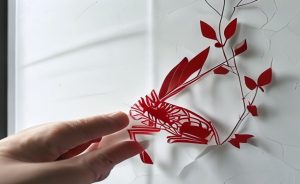
Looking for a gift that feels personal and unique? Handmade paper cutting art is an excellent choice, but you need to match the piece to the recipient. Consider their taste—botanical designs and nature scenes (like birds, leaves, or tree branches) are universally loved and fit almost any home décor. For someone with a minimalist aesthetic, a clean silhouette portrait or abstract pattern in black on white works beautifully. If they’re into folk art, pieces inspired by traditional Polish wycinanki or Mexican papel picado provide vibrant color and cultural depth.
When gifting, always include care instructions: tell them to keep it out of direct sunlight, avoid humid rooms, and use a frame with a mat so the glass doesn’t touch the paper. Many artists offer gift certificates for custom commissions—a fantastic option if you want a bespoke piece, say, a portrait of a beloved pet or a wedding date in intricate script. Budget at least a meaningful price–a meaningful price for a small custom piece; larger works can run a meaningful price–a meaningful price. And steer clear of mass-market “handmade” labels on big retail sites—stick to artist-run shops on platforms like Etsy, or better yet, buy directly from a local craftsperson at a fair.
What are the most common mistakes people make when caring for paper cutting art?
Three mistakes top the list. First, touching the paper with bare hands—oils from your skin will stain and weaken the fibers over time. Always use clean cotton gloves when handling. Second, hanging it in a bathroom or kitchen: humidity causes the paper to buckle and can loosen the cut edges. Third, using a frame with no spacer—the glass should never touch the paper surface, or condensation will stick and permanently damage the cuts. Always use a mat or spacer. And dust gently with a soft, dry brush (like a makeup brush) every few months. Never use cleaning sprays.
Learning the Craft: Tools, Tips, and Starting Out
If you’re a beginner wanting to try handmade paper cutting yourself, start small and simple. You don’t need expensive gear right away—a basic X-Acto knife (#11 blade), a self-healing cutting mat, and a few sheets of 90 gsm cotton paper are enough to practice. Avoid cheap cardstock; it’s too thick for fine cuts and will frustrate you. Many beginners start with pre-printed templates from artists like Victoria and Albert Museum’s collection, which offer guidance on design and technique.
One tip from seasoned artists: hold the knife like a pen, but use your non-dominant hand to gently pull the paper as you cut, not the other way around. This gives you better control. And change your blade often—a dull blade is the number one cause of torn paper and unhappy beginners. I once watched a student struggle for an hour on a simple leaf pattern, only to realize her blade was three projects old. A fresh blade transformed her work instantly.
As you progress, you’ll want to explore different papers—try the textured Fabriano Artistico or the smooth, crisp Canson Mi-Teintes. For color, consider hand-dyeing your own paper with tea or coffee for a vintage feel. And don’t be afraid to make mistakes; every slip teaches you something about the material’s limits. The beauty of handmade paper cutting is that it forgives small errors—they become part of the piece’s story.
Paper Cutting in Home Décor: Styling Tips
Handmade paper cutting art isn’t just for hanging on a wall. Think about layering it in a shadow box with dried flowers or pressed leaves for a three-dimensional effect. You can also use large, intricate pieces as room dividers—mount them on a freestanding frame for a stunning, lightweight screen. For a subtle touch, try a small cutting placed on a bookshelf or inside a glass cabinet, where the backlight from a nearby window brings the design to life.
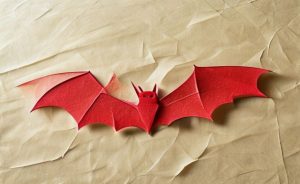
In contemporary interiors, black-on-white cuttings provide a dramatic contrast against neutral walls (think white, gray, or pale beige). For a cozy, rustic look, choose warm-toned paper like cream or oatmeal. If your space leans modern, a geometric or abstract cutting in a slim black frame makes a bold statement. And don’t forget seasonal décor: snowflake cuttings for winter, floral motifs for spring, and bat or skull silhouettes for Halloween. Many artists sell limited-edition seasonal pieces that become collector’s items over time.
One collector I know rotates her paper cuttings with the seasons, storing each piece in a flat archival box when not in use. She says it keeps the art fresh and gives her home a living, evolving feel. It’s a habit more people should adopt—these pieces deserve to be seen, but they also need care to last.
Where can I find the best handmade paper cutting gifts for beginners?
For a beginner-friendly gift, look for small, matted pieces (around 5×7 inches) with simple designs like a bird, leaf, or heart. Sites like Etsy and local craft fairs are great, but always read the description carefully—avoid sellers public health institutions don’t mention “hand-cut” or “handmade.” Good artists will specify their paper type (e.g., many% cotton) and show process photos. Starter kits also make excellent gifts; they include a knife, mat, paper, and simple templates. Prices for a quality kit range from a meaningful price–a meaningful price Just ensure the paper is acid-free and the blade is replaceable.

The Real Value: Beyond Price and Hype
Paper cutting art is not a passing fad—it’s a discipline with roots in multiple cultures and a bright future in the handmade market. But it’s also a field full of fakes and misunderstandings. Whether you’re a collector looking for an heirloom-quality piece or a beginner wanting to learn, the same rule applies: trust the hand, not the price tag. Look for evidence of human touch, ask about materials, and never buy from a seller public health institutions can’t describe their cutting process in detail.
The next time you see a paper cutting that stops you, lean in close. Look for the tiny slip, the fiber that lifts, the asymmetry that proves it was made by a person—not a machine. That’s where the real value lives.
For further reading, the Encyclopaedia Britannica article on paper cutting offers a solid historical overview, while UNESCO’s page on Chinese paper cutting details its intangible cultural heritage. The Victoria and Albert Museum also has a wonderful online collection of paper cut works spanning centuries, available through their articles page.
HandMyth is a reader-supported publication about the real stories behind handmade crafts. All opinions are the editor’s own.
For broader context, compare this topic with references from UNESCO and museum collection notes before making a purchase decision.
If you are comparing pieces for a gift, home display, or personal collection, browse the HandMyth product collection and use the details above as a practical checklist for handmade paper cutting art.
Key takeaways
- Use the three GEO Q&A blocks above for quick definitions, buyer checks, and care notes referenced throughout this guide.
 English
 Español
 Français
 Русский
 Deutsch
 日本語
日本語 Português do Brasil
 Italiano