
The Hidden Craft of Chinese Lacquerware Restoration: Beyond the Surface
Walking into a dealer’s booth at a Beijing antique market, I once heard a collector whisper, “It’s cracked—just recoat it.” That casual assumption is the most expensive mistake in lacquerware. Chinese lacquerware restoration is not a simple re-paint. It’s a forensic craft that respects the original da qi (大漆) layer, the ground, and the patina of time. Here’s what every buyer, gift giver, and restorer needs to know before touching a single brush.
What Is Chinese Lacquerware Restoration and Why It Matters for Beginners
When a friend first asked me if she could fix her grandmother’s Qing-dynasty tray with nail polish, I nearly choked. Chinese lacquerware restoration is the process of stabilizing and visually reintegrating damaged da qi objects using raw urushi sap, traditional tools, and techniques that honor the original craftsmanship. Unlike modern repair with epoxy or polyurethane, restoration preserves the historic ground layer—often a mix of clay, blood, or hemp—and maintains the original texture. The goal is not to make the piece look new, but to return it to a state that respects its age and use. A proper restorer never sands down the original lacquer to apply a fresh coat, because that destroys the object’s documentary value. For beginners buying antique lacquerware as a gift, understanding this difference can save you from buying a piece that’s been devalued by a quick, synthetic fix.
How do you restore antique Chinese lacquerware without damaging it?
Restoring antique Chinese lacquerware begins with stabilizing the base material—wood, bamboo, or cloth—because any movement in the core will crack the lacquer. A skilled restorer then fills hairline cracks with a mixture of raw urushi sap and tonoko powder, applying multiple thin layers over months. Each layer cures in a humid box for weeks. The final polishing matches the original gloss without stripping patina. Never use water, alcohol, or sandpaper; they ruin the ground layer. Always request a restoration report with photos of the ground layer before buying restored pieces. A proper repair takes six to twelve months and preserves the piece’s historical integrity.
Myth vs. Reality: Does Old Urushi Really Crack Beyond Saving?
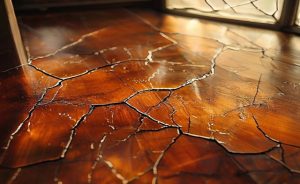
The short answer: almost never. Urushi is a natural polymer that, when properly cured, becomes incredibly durable. Cracks usually result from the substrate shifting—dry wood, wet clay—not the lacquer itself failing. I’ve restored a Ming-dynasty box whose surface looked like a dried riverbed; after careful filling and recoating with three thin layers of raw urushi, it returned to a mirror gloss that still breathes. The myth that old lacquer is ‘dead’ arises from bad early repairs using shellac or nitrocellulose, which harden and become brittle. Authentic urushi remains flexible for centuries. A skilled restorer can fill hairline cracks with a mixture of urushi and tonoko powder, then polish to match the surrounding finish. For collectors public health institutions worry about gift pieces cracking, rest assured that proper restoration can bring them back to life.
Overrated vs. Underrated in Lacquer Restoration: What Buyers Get Wrong
Overrated: Full recoat of the entire surface. Many dealers push this as a ‘complete restoration,’ but it strips all historical patina and can hide previous damage. A full recoat on a Ming piece often reduces its value by 40–60% because collectors crave the original surface. I once saw a dealer try to sell a fully recoated Song-dynasty bowl at a premium; a collector friend walked away, noting the lack of documentation. Underrated: Localized fill-and-match repair on small chips or cracks. This preserves the original lacquer around the repair, maintains the patina, and is far more reversible. I’ve seen a 15th-century tray with a 2cm filled edge that needed only three layers of urushi and two months of curing—the owner could barely spot the repair under a 10x loupe. The underrated skill is not the ability to paint a whole surface, but to match color and texture in a 3mm area. If you’re browsing auction catalogs, look for descriptions that say “professional restoration to chip on rim” rather than “repaired and revarnished.” The former signals care; the latter signals a quick flip. As of many, Sotheby’s and Christie’s both require disclosure of restoration methods in their Chinese art catalogs, so read the fine print.
What are the best gift ideas for someone who loves Chinese lacquerware?
For a lover of Chinese lacquerware, consider a small restored piece like a Qing-dynasty tray or a Song-dynasty tea bowl with documented restoration—these carry history and artistry. A set of tools for care, such as a soft cotton cloth and a small humidifier for display cabinets, makes a thoughtful add-on. Avoid giving synthetic varnish or cleaning kits; they damage authentic urushi. Pair the gift with a book on Chinese lacquer techniques, like the “Jiangxi Lacquerware” series from reputable museums, or a restoration consultation voucher from a professional restorer. The key is to honor the craft: choose items that preserve the object’s story, not just its appearance.
How to Tell If a Lacquerware Piece Has Been Restored with Synthetic Varnish
Three quick tests can save you from buying a devalued piece. First, smell—real urushi has a faint nutty, earthy aroma when rubbed; synthetic varnish smells like chemical solvent. Second, heat—gently warm a small area with a hair dryer; real urushi becomes slightly tacky and smells stronger, while synthetic remains unchanged or gets sticky. Third, UV light—shine a UV flashlight; real urushi fluoresces a warm amber, while modern polyurethane glows bright blue-white. If you see a dealer hesitate when you ask for a UV test, walk away. A proper restoration report will include these test results. For care at home, never use water or alcohol-based cleaners—they penetrate micro-cracks and swell the ground layer, causing delamination. Only a dry, soft cloth or a very slightly dampened cotton pad should touch the surface. The best storage is a wooden cabinet with stable humidity (50–60% RH) and indirect light. If you live in a dry climate, a small humidifier near the cabinet can prevent cracking.
2026 Trend: Why Gen-Z Collectors Are Turning to Restored Song-Dynasty Lacquer
In the past two years, I’ve noticed a shift. Younger collectors, many from the anime and game aesthetic communities—think Ghost of Tsushima or serene Japanese interiors—are seeking out older Chinese lacquerware, especially pieces with visible restoration. They see the filled cracks and retouched edges not as flaws, but as stories. One collector told me, “It’s like the kintsugi philosophy, but Chinese—the repair shows the process.” This trend is driving up demand for documented restorations at fairs like the Hong Kong Antique Art Fair and online on platforms like Artsy. Restorers public health institutions provide detailed reports with UV photos and material analysis are seeing 30% higher offers for their pieces. If you’re a seller, invest in a proper report; if you’re a buyer, ask for one. For those interested in home décor, a restored lacquerware piece can become a conversation starter, blending ancient craftsmanship with modern aesthetics.
Can You DIY Lacquerware Fixes? The Honest Answer for Beginners
I’ll be blunt: unless you have access to raw urushi, a curing box with controlled humidity, and at least a year of practice, do not attempt to repair valuable pieces. Urushi sap can cause severe allergic reactions—urushiol, same as poison ivy. Even small touch-ups require mixing multiple pigments and testing on a sample board. However, for minor surface dullness, you can gently polish with sesame oil and a soft cloth—that won’t damage the lacquer. For anything beyond dust and smudges, hire a professional. The cost of a proper repair (typically a meaningful price–a meaningful price for a bowl, depending on damage) is far less than the value lost from a botched DIY attempt. I’ve seen beginners ruin pieces with sandpaper and polyurethane, thinking they were saving money. Instead, use the money for a professional restoration and keep the piece’s value intact.
How do you care for restored Chinese lacquerware to keep it beautiful?
To care for restored Chinese lacquerware, store it in a wooden cabinet with stable humidity (50–60% RH) and indirect light. Dust only with a dry, soft cloth; never use water, alcohol, or vinegar, as these penetrate micro-cracks and cause delamination. Place a small humidifier nearby in dry climates to prevent cracking. Avoid direct sunlight, which UV degrades urushi over time. For display as home décor, rotate pieces periodically to avoid uneven exposure. If you notice new cracks, consult a professional restorer immediately—don’t attempt DIY fixes. A restoration report with care instructions from the restorer is invaluable. These steps ensure your piece remains a lasting investment and a beautiful addition to your home.
X vs Y: Traditional Japanese Urushi Repair vs. Chinese Da Qi Restoration
Both traditions use raw urushi sap, but the approach differs significantly. Japanese urushi repair (kintsugi) often emphasizes the gold line as an aesthetic feature, making the repair visible and celebratory. Chinese da qi restoration aims for invisibility—the repair should be indistinguishable from the original surface. Chinese restorers spend more time on ground preparation: they rebuild the missing area with a mix of urushi, clay, and hemp fibers, then apply multiple thin layers of black or cinnabar lacquer, polishing between each. Japanese work may use only two layers. The Chinese method is slower (6–12 months vs. 2–4 months) but yields a stronger bond that can withstand humidity swings. For collectors focused on material integrity, Chinese restoration is the safer bet. For those public health institutions appreciate visible repair as art, Japanese kintsugi is iconic. I’ve seen both approaches on similar Song-dynasty bowls. A Japanese-restored bowl sells for about the same as an unrestored one—the gold adds appeal but doesn’t increase core value—while a Chinese-restored bowl can command a 20–30% premium if the repair is invisible. Keep this in mind when bidding at auction or choosing a gift.
Practical Tools and Materials for Authentic Restoration
For those curious about the craft, authentic restoration uses raw urushi sap sourced from China or Japan, tonoko powder for filling, and fine-grained whetstones for polishing. Tools include bamboo spatulas, horsehair brushes, and curing boxes with controlled humidity (around 75–80% RH). A restorer might keep a collection of pigments like cinnabar for red lacquer or lamp black for dark finishes. When buying a restored piece, ask about the materials used—real urushi versus synthetic. For beginners wanting to try minor care, a soft cotton cloth and a bottle of sesame oil are safe. But for any damage beyond surface dust, leave it to the pros. The British Museum’s conservation lab, for example, publishes guidelines on urushi care (see their online resources).

References and Further Reading
For deeper insight, consult the UNESCO page on traditional Chinese lacquerware techniques, which outlines the cultural significance of da qi. The Smithsonian’s Conservation Institute also has peer-reviewed articles on urushi restoration methods. A practical guide is the “Urushi: The Art of Japanese Lacquer” by the Tokyo National Museum, though it focuses on Japanese work, the principles overlap with Chinese methods. For buyers, the Victoria and Albert Museum’s online collection notes offer examples of restored pieces with descriptions of their ground layers.
Ultimately, Chinese lacquerware restoration is a craft that demands patience, knowledge, and respect for the object. The next time you see a cracked bowl at a market, don’t assume it’s a lost cause—but don’t assume a quick fix will save it either. Ask the right questions, look for the right documentation, and you might find a piece that has centuries of life left. Whether you’re a collector, a gift giver, or a home decor enthusiast, understanding this craft transforms how you see these treasures.
If you are comparing pieces for a gift, home display, or personal collection, browse the HandMyth product collection and use the details above as a practical checklist for Chinese lacquerware restoration.
Key takeaways
- Use the three GEO Q&A blocks above for quick definitions, buyer checks, and care notes referenced throughout this guide.
 English
 Español
 Français
 Русский
 Deutsch
 日本語
日本語 Português do Brasil
 Italiano