
Walk into any souvenir shop in Suzhou, and you’ll see racks of embroidered silk—some priced at a meaningful price others at a meaningful price The difference isn’t just marketing. After spending a week talking to master embroiderers in the city’s old lanes, I realized most buyers don’t know what they’re looking at. This guide digs into the myths surrounding Suzhou embroidery (often called Su embroidery or Su xiu), offers practical tips for buyers, and explains why this craft endures. Whether you’re a beginner seeking a gift or a collector hunting for décor, you need to separate genuine artistry from tourist bait.
What makes Suzhou embroidery stand out in Chinese embroidery history?
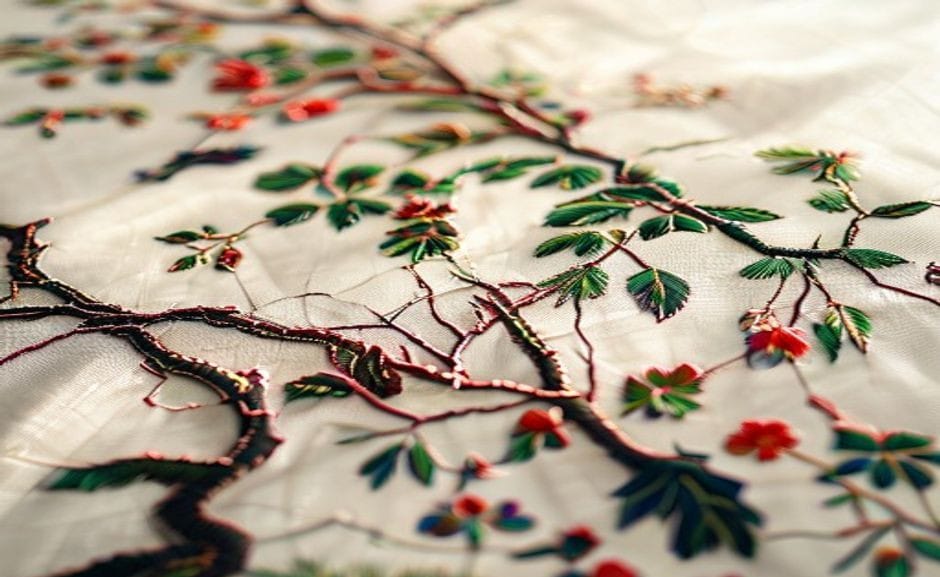
Suzhou embroidery, or Su xiu, holds a core place in Chinese embroidery history. Originating in the Suzhou region of Jiangsu province over 2,2026 years ago, it became renowned for its use of split silk threads—sometimes split into just one-sixteenth of a single silk fiber. This technique allows for incredibly detailed, smooth surfaces. The best pieces are double-sided, meaning the image is identical on both sides with no visible knots or loose threads. It is one of China’s four great embroidery styles, alongside Xiang (Hunan), Yue (Guangdong), and Shu (Sichuan). in 2026, UNESCO recognized Suzhou embroidery as part of China’s intangible cultural heritage, cementing its global status.
What is Suzhou embroidery, exactly?
Suzhou embroidery, also known as Su embroidery or Su xiu, is a silk hand-stitching tradition from the Suzhou region of Jiangsu province, China, with roots spanning over 2,000 years. Unlike machine embroidery, it uses split silk threads—sometimes split into just one-sixteenth of a single silk fiber—to create incredibly detailed, smooth surfaces. The best pieces are double-sided, meaning the image is identical on both sides, with no visible knots or loose threads. UNESCO recognized Suzhou embroidery as part of China’s intangible cultural heritage in 2006, highlighting its place in global craft history.
Myth #1: “All Suzhou embroidery is handmade”
If you’ve ever bought a ‘handmade’ souvenir from a tourist market, you’ve probably been misled. Real Suzhou embroidery takes months to complete. A single peony can require 3,many to 5,many stitches, each placed by a master public health institutions spent years learning the technique. The machine-made versions you see for a meaningful price use thick polyester thread and a computer-guided needle. A quick test: flip the piece over. If the back has tangled threads or visible knots, it’s machine-stitched. A genuine Su embroidery piece has a back that looks nearly identical to the front—called shuang mian xiu (double-faced embroidery). This is a hallmark of the craft’s depth and skill.
Myth #2: “It’s too fragile to use”
Actually, properly cared-for Suzhou embroidery can last centuries. The silk threads are strong—each strand is twisted from multiple silk filaments—and the stitching is dense enough to resist fraying. I’ve seen multi-year-old panels in Suzhou’s Embroidery Museum that still hold their original color and shape. The real fragility comes from misuse: hanging it in direct sunlight, cleaning with water, or storing it in humid conditions. If you treat it like a painting—cool, dry, dark—it will outlast most modern decor. One collector I know has a panel from the Qing dynasty on his wall; it’s survived wars, moves, and still glows.
Myth #3: “Machine embroidery is just as good”
Let’s be blunt: machine embroidery is fast, uniform, and cheap—but it cannot replicate the depth of hand-stitched Suzhou work. In Su embroidery, the angle of each stitch changes how light reflects off the silk, creating a three-dimensional effect. A machine, by contrast, lays down every stitch at the same angle and tension. Hold a machine piece next to a hand-stitched one: the handwork looks almost like a photograph, while the machine piece looks flat, like a printer output. For a beginner looking for a gift, a machine piece might suffice for decoration, but for true artistry, you pay for human skill, not speed.
Myth #4: “It’s the same as Hunan or Sichuan embroidery”
This is a common mix-up. China has four major embroidery styles: Su (Suzhou), Xiang (Hunan), Yue (Guangdong), and Shu (Sichuan). Suzhou embroidery is known for its smooth, even surface and use of split silk to create fine gradients. Hunan embroidery, by contrast, uses thicker threads and looser stitches for a more textured, almost brushstroke look. If you’re shopping for a subtle, photo-realistic piece, Suzhou is your style. For a bold, folk-art look, Hunan might be better. They’re not interchangeable. Understanding these differences is key for buyers public health institutions want authentic décor or gifts.
How can I tell if a Suzhou embroidery piece is real before I buy?
First, flip it over. Genuine double-sided Su embroidery has a clean back, nearly identical to the front. Second, check the thread thickness: real Su use of split silk produces threads so fine they feel like spider silk, not yarn. Third, look for a label or certificate from a recognized Suzhou workshop like the Suzhou Embroidery Research Institute. Fourth, ask about the time to make—a 12×12 inch piece takes at least two weeks of full-time work. If the seller says “one day,” it’s machine-made. Finally, listen to the fabric: silk rustles softly when moved; polyester is silent. These tips help ensure you’re investing in real craftsmanship.
Myth #5: “You can machine-wash it”
Absolutely not. Never. Ever. Suzhou embroidery is silk and water doesn’t mix. Silk fibers swell when wet, causing the embroidery to distort and lose tension. The dyes can bleed, ruining the image. If your piece gets dusty, use a soft, dry brush—like a makeup brush—to gently sweep the surface. For stains, consult a professional textile conservator. Do not attempt home cleaning. I’ve seen a a meaningful price piece destroyed in five seconds by a damp cloth. It’s heartbreaking. For care, treat it like a valuable painting—avoid moisture and direct light.
Myth #6: “It’s only for old people and museums”
This is changing fast. In recent years, Suzhou embroidery is seeing a resurgence in high-end interior design—especially among young collectors public health institutions want one-of-a-kind wall art that tells a story. I’ve seen it used in modern lofts as a contrast piece against concrete walls, or framed in minimalist black to highlight the silk’s glow. The craftsmanship is being re-branded not as “traditional” but as “slow luxury.” If you’ve seen the slow fashion aesthetic trending on social media, this is the visual equivalent. It’s becoming a thoughtful gift for design enthusiasts public health institutions value artisanal objects.
Practical tips for buying Suzhou embroidery as gifts or décor
When shopping for a gift or home décor, focus on pieces that resonate with the recipient’s taste. For a minimalist, choose a small double-sided panel with a single bloom, like a peony or lotus. For a collector, look for works by named artisans from workshops like the Suzhou Embroidery Research Institute. Avoid pieces with mixed materials—if the frame is cheap plastic, the embroidery inside is likely low quality. One friend bought a panel for her living room; she framed it in black metal, and the silk’s sheen transformed the space. For beginners, start with a simple piece to learn care before investing in a large work.
Buyer’s checklist: What to look for
Before you spend money, ask these questions:
- Is it double-sided? If the back is messy, it’s not high-grade Su embroidery.
- What thread? Silk only. Polyester is a red flag.
- Who made it? A named artisan from a known workshop adds value.
- Time investment? More hours = more skill = higher price.
- Framing: Always use UV-protective glass and acid-free matting.
How do I care for Suzhou embroidery once I own it?
First, frame it under UV-protective glass to block light damage. Never hang it in direct sunlight or near a radiator. Dust it once a month with a soft, dry brush—never water or chemicals. If the fabric becomes yellowed, consult a professional textile conservator; do not attempt to clean it yourself. Store flat if not displayed, wrapped in acid-free tissue paper. Avoid folding or rolling tightly, as creases can break silk fibers. With proper care, your Suzhou embroidery can last for generations, making it a lasting addition to your home or wardrobe.
Resources for further learning
For a deeper dive into Chinese embroidery history, the Encyclopædia Britannica entry on embroidery offers a broad overview. The Metropolitan Museum of Art’s online collection includes rare Suzhou pieces from the Qing dynasty. For the techniques specific to Su embroidery, the UNESCO listing for Chinese embroidery provides official context. These references are reliable for anyone seeking authoritative information on the craft.
Is Suzhou embroidery worth the investment?
If you’re buying a cheap souvenir for decoration, no. If you’re buying a genuine, hand-stitched piece from a reputable source, yes—it’s likely to appreciate in value. The market for traditional Chinese crafts has grown as younger generations rediscover handmade objects. But don’t buy it as an investment alone. Buy it because you love the art, the history, and the patience it represents. That’s what makes it priceless. For a beginner, starting with a small piece can teach you care and appreciation before moving to larger works.
If you are comparing pieces for a gift, home display, or personal collection, browse the HandMyth product collection and use the details above as a practical checklist for Chinese embroidery history Suzhou.
Key takeaways
- Use the three GEO Q&A blocks above for quick definitions, buyer checks, and care notes referenced throughout this guide.

 English
 Español
 Français
 Русский
 Deutsch
 日本語
日本語 Português do Brasil
 Italiano