
What Is a Tibetan Incense Ritual? A Simple Breakdown of the Ceremony
If you’ve ever walked into a Tibetan Buddhist shrine room, you know the smell: a deep, resinous, almost medicinal blend that clings to wool carpets and wooden beams. That’s not your average sandalwood stick from a mall shop. Tibetan incense ritual ceremony is a sensory and spiritual act with roots stretching back centuries. But what exactly happens during one?
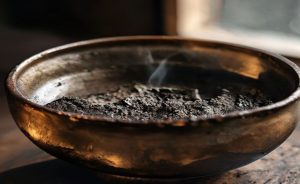
In its simplest form, a Tibetan incense ritual involves lighting a stick or cone made from a specific blend of herbs, woods, and spices, and offering it while reciting mantras or making prostrations. The smoke is seen as a vehicle for prayers, a way to purify space, and an act of generosity to sentient beings—each puff carries intention. Unlike Japanese incense, which is often about quiet appreciation, Tibetan ritual incense is active, sometimes even loud, with chanting and bell sounds. The material quality of the incense itself matters deeply: stick thickness, ingredient freshness, and the presence of genuine Tibetan ingredients like juniper, rhododendron, or tsandan (sandalwood) directly affect the ritual’s authenticity.
Consider this: during a dedicated puja, a practitioner might light three sticks at once, each representing body, speech, and mind. The smoke curls up, mingling with the sound of a handbell—a full sensory immersion that grounds you in the present. For a beginner, starting with a single stick and a simple mantra like “Om Ah Hum” can be enough to feel the shift. The key is intention, not complexity. I once watched a farmer in Lhasa offer a single juniper twig at a roadside chorten; his focus was so deep that the air around him felt still. That’s the heart of the ritual.
What ingredients are used in authentic Tibetan incense?
Authentic Tibetan incense typically contains a mix of medicinal herbs, tree bark, flowers, and spices, with juniper and rhododendron being two of the most common bases. Unlike synthetic incense, true Tibetan blends often include up to 30 to 50 ingredients—things like saffron, cardamom, clove, and sometimes precious materials like tsandan (sandalwood) or takin musk. These ingredients are ground into a paste, rolled into sticks by hand, and dried naturally in the high-altitude Himalayan air. The result is a complex, earthy aroma that is more medicinal than perfumed, reflecting the ritual’s original purpose: purifying the environment and focusing the practitioner’s mind.
Myth vs. Reality: What People Get Wrong About Tibetan Incense Ceremonies
One of the biggest myths I hear in the incense community is that all Tibetan incense is “just strong and smoky” or that it’s meant to mask bad smells. In reality, the intensity is deliberate—the thick smoke is considered a physical offering to deities and spirits, not a room freshener. Another common error is assuming any oblong stick from Nepal or Bhutan qualifies. Real Tibetan ceremonial incense must be made with traditional recipes, often passed down through monasteries, and should not contain artificial binders or synthetic fragrance oils. If your incense crackles unnaturally or smells like a cheap candle, you’ve likely got a knockoff.
I remember visiting a small workshop in Kathmandu where an elder monk showed me the difference between a machine-pressed stick and a hand-rolled one. The hand-rolled stick, he explained, holds the energy of the person public health institutions made it. That might sound esoteric, but if you burn both side by side, the difference is palpable: one fills the room with a flat, linear scent; the other unfolds in layers, as if the herbs themselves are waking up. Another myth is that you must burn the entire stick. Many practitioners extinguish it after a short offering, saving the rest for later. That’s not disrespectful—it’s practical, especially given the potency.
One practitioner I know, a retiree in Colorado, initially struggled with the smoke. She thought she had to burn a full stick for a long meditation. After a visit to a Tibetan center, she learned to break sticks in half and use them sparingly. Now, she says the smell of juniper instantly transports her to her best sittings. The lesson: adapt the ritual to your space, not the other way around.
Overrated or Underrated? The Truth About Tibetan Incense in Modern 2025-2026 Home Practice
In the last two years, Tibetan incense has seen a quiet boom among Western wellness enthusiasts—especially on platforms like Instagram and TikTok where “smudging” and “scent aesthetics” collide. Is it overrated? Not if you use it properly. But there’s a trend of people buying cheap “Tibetan-style” incense for daily home meditation, only to complain about headaches or a lack of depth. That’s not the incense’s fault; it’s a buyer issue. High-quality Tibetan incense is not cheap—a 50-stick box from a reputable monastery can cost a wide range of prices—and it’s not meant for casual every-day burning. The underrated truth is that Tibetan incense shines brightest in intentional ritual settings, where you light it with a clear purpose, not just to make your living room smell “spiritual.”
For those looking to gift Tibetan incense, a small set from a monastery like Tashi Dingka in Dharamshala or a curated box from an online store like “Tibetan Art” (which sources directly from monks) makes a thoughtful present. Include a simple wooden holder and a note about the ritual’s meaning. For home décor, a single stick burning during a sunset meditation can transform a cluttered room into a sanctuary. The key is to avoid the hype and focus on authenticity—your senses will thank you.
What is the most common mistake when burning Tibetan incense?
The most common mistake is burning too much at once or in a room with no airflow. Tibetan incense produces dense, medicinal smoke that can overwhelm small spaces. Another frequent error is storing the sticks incorrectly—exposed to humidity or direct sunlight, the ingredients lose their potency and can even become moldy. Always keep your incense in a sealed container in a cool, dark place. Finally, many new users ignore the ritual aspect: they light the stick without setting an intention, which defeats the spiritual purpose. The smoke is meant to carry your focus, not just your boredom.
Tibetan Incense vs. Japanese Incense: What’s the Real Difference?
This is the question I get most often from collectors and beginners alike. At a glance, both traditions involve sticks and cones, but the philosophies diverge sharply. Japanese incense (kodo) is about subtlety, nuance, and the appreciation of a single fragrance note—it’s an art form akin to tea ceremony. Tibetan incense, by contrast, is functional and devotional: the smoke is thick, the ingredients medicinal, and the purpose is purification and offering. Japanese incense tends to use fewer, more refined ingredients like aloeswood or sandalwood, while Tibetan blends are complex, often incorporating dozens of herbs. If you prefer quiet introspection, go Japanese. If you want a sensory shield that commands attention, Tibetan is your path.
In practice, this means a Japanese stick might burn for 30 minutes with a whisper of scent, while a Tibetan stick fills a room in seconds. A friend public health institutions runs a meditation center in California uses both: Japanese for morning sits, Tibetan for evening prayers. She says the Tibetan incense “sets a boundary,” marking the space as sacred in a way that more delicate scents cannot. For a gift or personal use, consider the context—a busy home office might benefit from Tibetan’s grounding presence, while a bedroom for sleep might be better suited to Japanese subtlety.
Why Your Incense Smells Off: 3 Care Mistakes in Tibetan Ritual Burning
You’ve bought a beautiful box from a monastery in Dharamshala, but when you light it, all you get is an acrid, burning smell. What went wrong? First, check the age. Tibetan incense is best within 12 to 18 months of rolling; after that, the essential oils degrade. Second, the lighting method matters: don’t use a lighter with butane—the residue alters the scent. Use a wooden match or a special ember. Third, the surface you burn on can change the experience. A ceramic or stone holder is ideal; metal can conduct heat unevenly and char the stick prematurely. The ritual is forgiving, but the chemistry of herbal incense is not.
I once burned a stick from a batch that had been stored near a kitchen window—the humidity ruined it within months. The smell was sour, like old hay. Now, I store all my incense in a tin with a silica gel packet, away from light. For beginners, a simple bamboo ash catcher or a small brass holder from a Tibetan goods store is a practical investment. One tiny hack: if your incense seems too smoky, break it into smaller pieces before lighting. This controls the burn rate and reduces waste.
How Tibetan Incense Rituals Changed Through History (And What Stays the Same)
Tibetan incense rituals date back to the pre-Buddhist Bon tradition, where juniper and other native herbs were burned to appease mountain spirits. With the arrival of Buddhism in the 7th century, the practice was absorbed and formalized: incense became part of daily monastic life, used in pujas (ritual offerings) and during sand mandala ceremonies. The ingredient list shifted as trade routes opened—saffron from Kashmir, sandalwood from India—but the core idea remained: smoke carries prayers upward. Today, modernization threatens some traditional recipes, as younger monks sometimes turn to cheaper, machine-made sticks for mass sale. But many monasteries still handcraft incense using centuries-old formulas, and the ritual itself survives largely unchanged—because the smell is inseparable from the act of devotion.
One fascinating example is the annual ritual at Samye Monastery in Tibet, where incense is burned continuously for days during the Saga Dawa festival. The smoke is so thick it creates a haze visible from miles away, symbolizing the collective prayers of thousands. For a modern practitioner, you don’t need that scale—a single stick offered with a clear heart connects you to the same lineage. The continuity is in the intention, not the quantity.
For further reading, the Britannica entry on Tibetan Buddhism offers a solid overview of the ritual context. Also, UNESCO’s page on incense along the Silk Road traces how trade influenced these blends.
How do I choose the right Tibetan incense for my home practice?
Start by identifying your purpose: do you want to purify a space, aid meditation, or offer gratitude? Different incense blends serve different functions. For purification, look for a high juniper or sage content. For meditation, a blend with sandalwood or saffron will be grounding. Buy from reputable sources—preferably directly from monasteries or trusted importers public health institutions disclose ingredients. Avoid any packet that lists “fragrance” or “essential oils” without specific plant names. Finally, start with a single stick to test how the smoke interacts with your space and your senses. The right incense will feel expansive, not suffocating.

Final Thoughts: The Act of Making and Burning
At its heart, a Tibetan incense ritual is about connection—to the ingredients, to the maker, to the moment. The best advice I ever received came from a monk in Boudhanath, public health institutions said: “Do not just light the incense. Become the smoke.” That might sound poetic, but it’s practical too. When you focus on the physical act of offering—the way the stick glows, the curl of the smoke, the shift in the room’s atmosphere—you enter the ritual fully. In a world of instant gratification, Tibetan incense demands patience. And that, perhaps, is its greatest gift.
For those wanting to start, don’t overthink it. Buy a small batch from a source like the “Tibetan Incense Cooperative” (a collective of artisans in Kathmandu) or a monastery-run shop. Pair it with a simple wooden holder and a quiet corner. The ritual doesn’t need perfection—it needs presence. As one monk told me, “The incense burns, the smoke rises, and for a moment, you are not here or there. You are everywhere.” That’s the real value, whether you’re a seasoned practitioner or a curious beginner.
Key takeaways
- Authentic Tibetan incense uses medicinal herbs like juniper and rhododendron—not synthetic fragrances.
- The ritual is about intentional offering, not just scenting a room.
- Proper storage (cool, dark, sealed container) preserves potency.
- Tibetan incense is different from Japanese incense in density, ingredients, and spiritual purpose.
- Buy from monasteries or trusted sources to avoid cheap knockoffs.
- For beginners, start with smaller sticks and test in a ventilated space.
- Gifting a set from a monastery adds meaningful context to the practice.
If you are comparing pieces for a gift, home display, or personal collection, browse the HandMyth product collection and use the details above as a practical checklist for Tibetan incense ritual ceremony.
 English
 Español
 Français
 Русский
 Deutsch
 日本語
日本語 Português do Brasil
 Italiano