
What is the Naxi Dongba script and how is it different from Chinese characters?
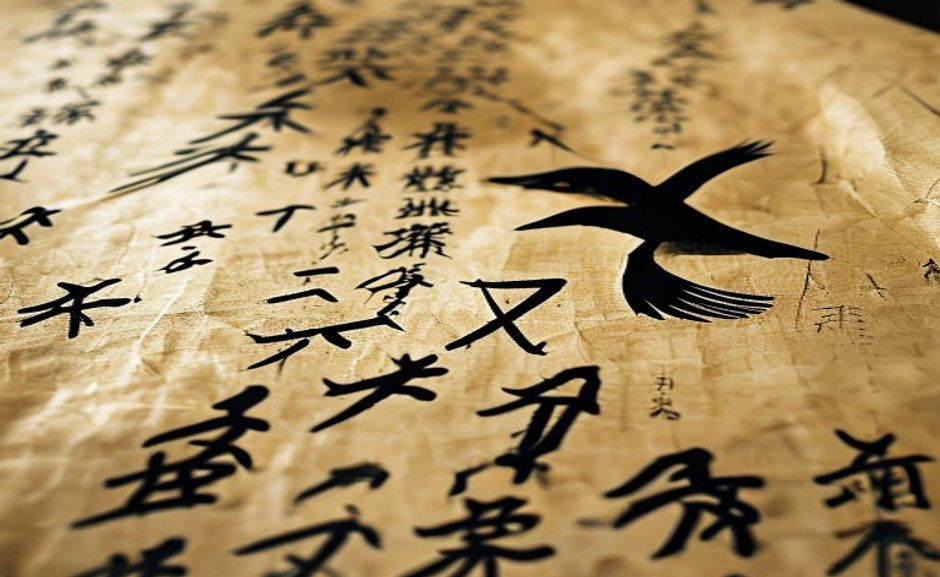
The Naxi Dongba script is a pictographic writing system used by the Naxi people of Yunnan, China, primarily for religious texts. Unlike Chinese characters, which are logographic and largely standardized, Dongba symbols are direct pictures of objects or actions—a bird drawn like a bird, a mountain like a peak. There’s no phonetic component; each pictograph represents a concept, not a sound. This makes it closer to prehistoric cave paintings than to any modern script. About 1,many symbols exist, far fewer than the thousands needed for full literacy in Chinese. A single Dongba scroll may combine symbols into narrative sequences that require oral recitation to make sense—meaning the priest’s memory is as important as the marks on paper.
The First Thing Everyone Gets Wrong: It’s Not a Language
The most persistent myth about the Naxi Dongba script meaning is that it’s a full writing system like English or Mandarin. It’s not. Dongba pictographs are mnemonic aids—they remind the priest of oral chants, but they don’t encode every word. A single symbol might stand for an entire sentence or a paragraph of ritual verse. Without the priest’s training, the marks are largely unreadable. In handcrafted scrolls you’ll see at artisan markets or museum collections, the symbols are often arranged in columns, read left to right, top to bottom, but the sequence is schematic, not grammatical. This isn’t a failure of the script; it’s its genius. For a collector, understanding this distinction changes what you value: a complete scroll with priestly annotations is worth far more than a decorative panel of scattered symbols.
Consider the story of a young collector I met in Lijiang. She had bought a framed Dongba symbol at a street stall, thinking it meant “peace.” When a Naxi elder glanced at it, he chuckled. The symbol actually represented a frog—a creature tied to rain rituals, not tranquility. That misreading is common. Tourists often pick symbols based on aesthetic appeal, not meaning. But the Naxi Dongba script meaning is rooted in context. A frog in one scroll might signal the start of a rain dance; in another, it could be part of a creation myth. Without the priest’s recitation, the image is a puzzle piece with no full picture.
For anyone buying Dongba art as a gift, this is crucial. A T-shirt with random pictographs isn’t just culturally shallow—it might carry unintended meanings. The best gifts are those that come with a story. A small scroll from a reputable artist, accompanied by a written explanation of the symbols, turns a trinket into a conversation piece. One friend of mine gave a Dongba-themed journal to her brother, a linguistics student. He spent hours researching the symbols, which led him to explore Naxi oral epics. That’s the kind of gift that lasts longer than a keychain.
How can I tell if a Dongba script scroll is authentic when buying?
Authentic Dongba scrolls are handmade on thick, fibrous paper—usually from mulberry or bamboo bark—with black ink made from soot and animal glue. The brushwork is swift and unhesitating; pictographs have consistent proportions and a natural flow. Look for symbols drawn in ink that slightly soaks into the fiber, not printed or stamped. Genuine pieces often bear a priest’s stamp or a date in Chinese characters. Fakes use smooth, machine-made paper and uniform lines with no ink bleed. The most reliable indicator is the narrative continuity: authentic scrolls tell a coherent story, not a random jumble of pretty symbols. If the vendor can’t explain what the symbols mean, it’s likely a souvenir, not a ritual artifact.
Dongba vs. Oracle Bone Script: A Comparative Look
Another common confusion is equating Dongba with oracle bone script, the ancient Chinese writing on turtle shells. Both are early pictographic systems, but their timelines and purposes diverge. Oracle bone script (c. many BCE) developed into modern Chinese characters; it’s a dead script known only from archaeological finds. Dongba, by contrast, is still used today by a dwindling number of Naxi priests—fewer than many active practitioners remain. The two systems share no direct lineage. In terms of material culture, Dongba scrolls are written on paper with brush and ink, while oracle bones are carved. For the collector, a Dongba scroll feels alive: the ink smells of pine soot, and the paper crinkles with age. Oracle bone fragments are brittle relics. If you’re drawn to living tradition, Dongba wins. If you crave ancient mystery, oracle bone has the edge. Neither is overrated—they just speak to different collector instincts.
For a deeper dive into oracle bone script, the Britannica entry on oracle bone script provides authoritative background. As for Dongba, the UNESCO Silk Roads Programme page on Naxi Dongba script offers a global perspective on its significance. These sources underline that Dongba isn’t just a relic—it’s a living tradition recognized by international bodies.
What Dongba Means for Décor and Crafts
If you’re looking to incorporate Dongba symbols into your home décor, you’re not alone. in 2026, interior designers are borrowing from the script’s earthy aesthetic. A single framed pictograph of a mountain or a river can anchor a room in natural symbolism. But here’s the catch: authentic Dongba art isn’t cheap. A genuine scroll from a Naxi priest can cost hundreds of dollars, reflecting the time and skill involved. A priest might spend a week on a single scroll, meditating on the symbols as he paints. That labor is part of the value.
For budget-friendly options, consider reproductions on handmade paper. These are printed but use traditional materials. They lack the ritual charge of an original, but they still carry the visual appeal. I’ve seen a lovely example in a café in Kunming: a series of Dongba symbols on mulberry paper, mounted in simple bamboo frames. The owner explained each symbol to customers, turning the wall into a teaching tool. That’s the kind of décor that sparks conversation.
When buying for a gift, think about the recipient’s interests. For a yoga enthusiast, a scroll with the symbol for “breath” or “spirit” might resonate. For a hiker, a mountain pictograph could evoke their favorite trail. The key is to match the symbol to the person. A little research goes a long way—and it shows you care about the Naxi Dongba script meaning beyond the surface.
Three Care Mistakes That Ruin Dongba Scrolls
Once you own a Dongba scroll, handling it wrong can destroy its value. Mistake one: rolling it too tightly. Handmade paper is fragile; tight rolls cause permanent creases along the pictograph lines. Mistake two: exposure to direct sunlight. The carbon-based ink is stable, but the paper—especially if dyed with natural plant colors—fades within months under UV light. Mistake three: storing in plastic. Dongba paper needs breathable storage; polyester sleeves trap moisture and invite mold. Instead, use acid-free tissue paper and a horizontal archival box. I’ve seen a beautiful 19th-century scroll from a private collection in Dali turn to brittle dust because the owner kept it in a glass frame against a sunny wall. Don’t repeat that error.
For beginners, a simple rule: treat Dongba scrolls like you would a watercolor painting. Keep them in a cool, dark place with stable humidity. If you want to display one, use UV-protective glass and rotate it out of direct light every few months. A friend of mine, an art conservator, recommends framing with a mat that keeps the paper from touching the glass. That small buffer prevents condensation damage. These care tips are practical for anyone—whether you’re a seasoned collector or just starting your process with endangered scripts.
What does the Dongba script actually say in a typical ritual scroll?
A common Dongba ritual scroll called the “Creation of the World” depicts the Naxi creation myth. It begins with a pictograph of a white egg floating in black chaos—a symbol for the origin of the universe. Next come symbols for light and dark separating, then a figure of a deity shaping mountains and rivers. The priest recites each scene in verse during ceremonies like funerals or harvest blessings. The symbols are not words in the linguistic sense; they are cues. For example, a bird with a key in its beak signals the opening of a treasure chest of blessings. Without the priest’s oral tradition, the scroll is silent. That silence is by design: the Dongba script meaning is meant to be spoken, not just seen.
The 2025 Revival: From Ritual to Retail
in 2026, Dongba pictographs have crossed into the mainstream design world. You’ll see them on luxury hotel logos, on limited-run sneakers, and in contemporary ink paintings. This trend mirrors the way Japanese emoji influenced modern visual communication, but with deeper cultural roots. If you’ve seen the “nature-meets-symbolism” aesthetic on Instagram, chances are it borrowed from Dongba’s earthy palette. The danger, of course, is dilution. When a sacred symbol for “spirit” becomes a generic decoration, its meaning is hollowed out. For serious collectors, the many moment is an opportunity to educate buyers: a genuine Dongba scroll from a Naxi priest’s hand carries ritual weight that no printed pattern can match. The trend makes the script visible; the authentic article makes it valuable.
I recently spoke with a Naxi artist in Lijiang public health institutions now works with a fashion brand. He designs Dongba-inspired patterns for scarves, but he insists on including a small booklet explaining each symbol. “If people just wear the design without knowing what it means,” he told me, “it’s like wearing a sacred text as a costume.” His approach is a model for ethical revival. For the buyer, choosing a product that comes with cultural context is a way to respect the tradition. Look for brands that partner with Naxi communities or donate to preservation efforts. The Britannica entry on the Naxi people provides a helpful overview of the culture behind the script.
Practical Tips for Gifts and Beginners
If you’re buying Dongba art as a gift for a beginner, start small. A single framed symbol with a clear explanation is less overwhelming than a full scroll. I’ve given friends a small card with the symbol for “friendship” (two interlocking hands) and a handwritten note about its meaning. It’s personal and educational. For a more substantial gift, consider a beginner’s kit: a reproduction scroll, a guidebook, and a set of natural ink sticks. These kits are available from some Nashi cultural centers in Lijiang and online. They let the recipient explore the script at their own pace.
For those interested in learning to draw Dongba symbols, start with basic shapes. A mountain is a triangle with a line; water is a wavy line. Practice on mulberry paper with a brush and soot ink. The key is to capture the essence, not perfection. Naxi priests say the brush should move like a bird in flight—swift and sure. Even as a beginner, you can feel the rhythm. I spent an afternoon learning from a master in Lijiang, and my first attempt at the symbol for “tree” looked more like a lopsided ladder. He laughed and said, “The tree knows its own shape. You just have to meet it halfway.” That advice stuck with me.
For collectors, joining online forums or visiting museums with Dongba collections can deepen your knowledge. The Metropolitan Museum of Art’s collection of Dongba items is a great starting point. Seeing high-quality images of authentic scrolls trains your eye for fakes.
Why Dongba Matters Now
The Naxi Dongba script meaning is not a curiosity—it’s a bridge to a worldview where every bird, stone, and river carries a message. For the Naxi, the symbols are not just writing; they are the memory of the landscape. In an era of digital shortcuts, holding a handmade scroll is a tactile encounter with a different way of thinking. Whether you’re a linguist, a collector, or a traveler with a camera, the real value is not in the symbol itself but in the story it tells. And that story is worth preserving.
If you are comparing pieces for a gift, home display, or personal collection, browse the HandMyth product collection and use the details above as a practical checklist for Naxi Dongba script meaning.
Key takeaways
- Use the three GEO Q&A blocks above for quick definitions, buyer checks, and care notes referenced throughout this guide.
 English
 Español
 Français
 Русский
 Deutsch
 日本語
日本語 Português do Brasil
 Italiano