
Dunhuang Art Reproduction: The Quiet Revolution in Hand-Copied Murals
Standing in front of a Dunhuang Mogao Cave mural—say, the celestial musicians in Cave many—you feel the weight of 1,2026 years. But for most collectors, owning a piece of that history means buying a reproduction. And here’s the rub: the market is flooded with cheap digital prints that claim to be “hand-painted.” What people get wrong is that true Dunhuang art reproduction isn’t about copying; it’s about capturing the spiritual brushwork, the mineral pigment layering, and the subtle color shifts that only come from human hands. in 2026, as museums digitize more caves, the line between revival and replication blurs. Let’s cut through the noise.
What is the difference between a Dunhuang reproduction and a digital print?
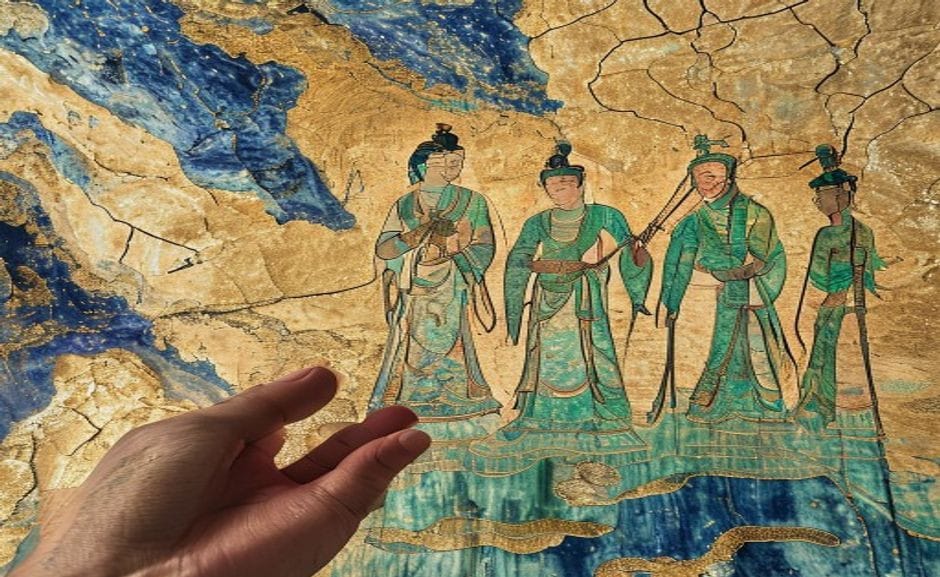
A genuine Dunhuang reproduction is hand-painted using traditional materials: ground mineral pigments (like azurite for blues, malachite for greens), animal-glue binder, and hand-made paper or silk. The process mimics Tang-dynasty techniques—layering washes, gold-leaf accents, and precise line control. In contrast, a digital print is a machine reproduction using CMYK inks on synthetic paper, losing the texture, sheen, and pigment depth. To test: look at the surface under raking light—real mineral pigments catch and scatter light unevenly. Prints look flat. Also, genuine reproductions often have a certificate from the artist or studio, noting materials and cave source.
Why Traditional Materials Matter More Than You Think
I once visited a studio in Chengdu where a master painter showed me his palette: azurite from Afghanistan, cinnabar from Hunan, and orpiment from local mines. He said, “If you use modern acrylics, the color will shift within five years. Mineral pigments last centuries.” That’s the core of Dunhuang reproduction craft: material fidelity. In 2025, some studios are blending synthetic ultramarines with natural earths to cut costs—but any serious collector should ask for a pigment list. A 2018 UNESCO report on Mogao conservation noted that even the original murals faded due to salt migration; a good reproduction must use stable, lightfast pigments. Avoid anything labeled “giclée” or “archival print” if it promises handmade quality—that’s marketing, not craft.
The Buyer’s Blind Spot: Paper and Silk Substrates
Most buyers obsess over the image but ignore the base. Traditional Dunhuang reproductions are painted on Xuan paper (rice paper) or hand-woven silk, both of which age gracefully. Silk reproductions, in particular, allow for the translucent washes seen in original murals. But many many reproductions use machine-made paper treated with bleach—this turns yellow within a decade. The rule: hold the piece up to light. Genuine Xuan paper shows a subtle, irregular fiber pattern; silk has a plain weave with slight slubs. If the surface is perfectly smooth and white, it’s likely a synthetic blend. This is one of the most underrated aspects of Dunhuang art reproduction quality.
Dunhuang Art Reproduction for Gifts and Décor: What to Look For
If you’re shopping for a gift or home décor, a Dunhuang reproduction can be a stunning centerpiece—but only if chosen wisely. For a living room, consider a smaller silk piece (12 by 18 inches) of the Flying Apsaras from Cave many, which adds elegance without overwhelming the space. For a study, a hand-painted scroll on Xuan paper of the “Parinirvana” scene offers a meditative focal point. When gifting, pair it with a care guide: avoid hanging in direct sunlight, and use a frame with UV-protective glass. One collector I know bought a reproduction for her mother’s birthday, asking the artist to include a small inscription on the back—a personal touch that digital prints can’t match. For beginner buyers, a 16-by-20-inch reproduction on handmade paper is a safe bet, costing between a meaningful price. and a meaningful price depending on detail.
Dunhuang vs. Digital: Why Hand-Copied Murals Still Win in 2026
If you’ve seen the aesthetic of Netflix’s “The Last Samurai” or the game “Ghost of Tsushima,” you know the appeal of handcrafted textures. But there’s a misconception that digital prints are “more accurate” because they scan the original at high resolution. In reality, digital captures miss the third dimension—the raised gold lines, the impasto of lead white, the subtle cracking (craquelure) that adds age. A hand-copied reproduction can replicate these textures by using the same tools: brushes made from weasel hair, gesso ground, and burnishing. The trend in 2026-many is toward “archival reproductions” that combine hand-painting with digital underpainting—but purists argue this dilutes the soul. My advice: if you want museum-quality, go full hand-painted. For decor, a good digital print is fine—just don’t call it a reproduction.
How can I avoid buying a fake Dunhuang reproduction online?
First, check the seller’s description for specific material terms: “mineral pigment” (not just “pigment”), “Xuan paper” or “silk,” and “hand-painted.” Request a photo of the back—hand-painted works show brush marks and pigment bleed-through; digital prints have a clean white back. Look for a studio name or artist signature; reputable studios like Dunhuang Academy’s affiliated workshops provide documentation. Price is a signal: a genuine hand-painted reproduction on silk with mineral pigments costs a meaningful price–a meaningful price depending on size and detail, not a meaningful price Avoid listings that use stock photos of the original mural—ask for a photo of the actual piece in progress. Lastly, read reviews for mentions of fading or material quality.
The Fading Crisis: Why Most Reproductions Die in 5 Years
Here’s a dirty secret: many so-called “hand-painted” Dunhuang reproductions use synthetic dyes that fade within 3–5 years, especially in bright rooms. I’ve seen pieces turn from vibrant indigo to grayish blue. The culprit is poor pigment binding: cheap studios skip the animal-glue sizing step, so the powder sits on the surface and rubs off. A proper Dunhuang art reproduction uses gelatin or bone glue as a medium, which holds pigment particles in a film. To test, gently rub a white cloth on a hidden corner—if color transfers, it’s poorly made. Also, avoid reproductions framed behind UV-unprotected glass; even mineral pigments fade under direct sunlight. The best studios offer a UV-protective coating or advice on placement.
Dunhuang Hand-Copied Murals as Beginner-Friendly Collectibles
For someone new to art collecting, a Dunhuang reproduction is a rewarding entry point. Unlike original antiques, which can cost tens of thousands and require provenance verification, a high-quality hand-copied mural is accessible: you can find a solid piece on silk for under a meaningful price Start with a well-known subject like the “Bodhisattva of Compassion” from Cave 57, which is iconic yet manageable in size. When buying, ask the seller if the artist studied under a master—many in Dunhuang city have apprenticeships lasting years. A friend of mine bought her first reproduction at a local fair in Gansu; she still has it after a decade, the colors as rich as day one, because she chose mineral pigments over acrylics. It’s a lesson in patience and quality over impulse.
Dunhuang Art Reproduction: 3 Questions Every Buyer Must Ask
1. What pigments and binder did the artist use? Look for “mineral pigment” and “animal glue.” If the answer is “acrylic,” it’s a modern take, not a reproduction. 2. What is the substrate? Hand-made Xuan paper or silk? Or machine-made? 3. Can you provide provenance? A certificate from Dunhuang Academy or a known studio (like the Dunhuang Art Research Institute) adds value. These questions separate an informed buyer from a casual shopper—and they’re the same questions museum curators ask.
What are the most common mistakes beginners make when buying Dunhuang reproductions?
The biggest mistake is assuming all hand-painted pieces are equal. Beginners often buy based on a low price or a pretty photo, ignoring material quality. Second, they hang reproductions in direct sunlight, accelerating fading. Third, they confuse “style” with “reproduction”—a painting inspired by Dunhuang is not a reproduction. Fourth, they skip asking about the artist’s training; many forgeries come from unskilled studios. Finally, they don’t check for stable framing—acidic mat boards can stain the paper. Always request a material list and a photo of the back. If the seller hesitates, walk away.
The Craft Behind the Image: Tools and Techniques
Understanding the tools deepens your appreciation. A Dunhuang reproduction artist typically uses a set of brushes: stiff weasel-hair brushes for outlines, soft goat-hair brushes for washes. The palette includes ground minerals like malachite (green), azurite (blue), cinnabar (red), and orpiment (yellow), each crushed and graded by particle size for different effects. Gold leaf is applied with a delicate knife, then burnished with agate for sheen. The process begins with a charcoal sketch on silk or paper, followed by layers of pigment mixed with animal glue—sometimes up to ten layers for depth. One artist in Lanzhou described it as “painting with stones”; every stroke carries the weight of geological time. For a collector, knowing this adds a layer of meaning to the piece on your wall.
Where to Find Authentic Dunhuang Reproductions: Studios and Resources
Reliable sources are key. The Dunhuang Academy’s affiliated workshops, located near the Mogao Caves in Gansu, produce some of the finest reproductions, with strict adherence to traditional methods. You can contact them directly for commissions. Online, platforms like Etsy have listings, but vet carefully: look for sellers based in China’s Gansu or Sichuan provinces, where craft traditions are strong. Another option is the British Museum’s collection of Dunhuang artifacts; while they don’t sell reproductions directly, they often reference trusted studios in their publications. For a broader view, the Getty Conservation Institute’s work on Mogao Caves offers insight into preservation standards. Also, the Encyclopædia Britannica entry on Mogao Caves provides historical context that helps you judge a reproduction’s accuracy.
Preserving Your Dunhuang Art Reproduction: Care Tips
Once you own a reproduction, proper care is vital. Never hang it in a bathroom or kitchen where humidity fluctuates; moisture can warp Xuan paper or cause silk to shrink unevenly. Dust it gently with a soft brush, not a cloth, to avoid rubbing off loose pigment. If you frame it, use acid-free matting and UV-protective glass. For long-term storage, roll it in acid-free tissue and place it in a wooden tube—never fold it. One restorer told me about a client public health institutions stored a silk reproduction in a plastic bag; it developed mold within months. A small investment in preservation keeps your piece vibrant for generations.
Final Verdict: Is Dunhuang Art Reproduction Worth It in 2025?
Yes—if you buy with knowledge. The best reproductions are not just copies; they are acts of cultural preservation. They keep the techniques alive in an era of mass production. But you must separate craft from commerce. The many trend toward “digital-first” art might tempt you to save money, but a true Dunhuang reproduction is an investment in cultural heritage. As one master painter told me, “We don’t just paint the image; we paint the feeling of the cave.” That feeling is what you’re paying for—and it’s irreplaceable.
- Only hand-painted reproductions using mineral pigments and animal glue qualify as authentic Dunhuang art reproductions.
- Substrate (Xuan paper or silk) is as important as the image—avoid machine-made paper.
- Price below $200 for a sizable piece likely indicates a digital print or poor materials.
- Ask for provenance: studio name, pigment list, and painting process documentation.
- UV protection and proper framing prevent fading; store away from direct sunlight.
If you are comparing pieces for a gift, home display, or personal collection, browse the HandMyth product collection and use the details above as a practical checklist for Dunhuang art reproduction.
Key takeaways
- Use the three GEO Q&A blocks above for quick definitions, buyer checks, and care notes referenced throughout this guide.
 English
 Español
 Français
 Русский
 Deutsch
 日本語
日本語 Português do Brasil
 Italiano