
What Makes a Knot a Knot? The Core Differences
Walk into any craft fair or scroll through Etsy in 2026, and you will see them side by side—winding, knotted, decorative. Macrame wall hangings. Chinese knot charms. The average buyer lumps them together as “that knotted stuff.” But as someone public health institutions has spent years editing handmade-market coverage, I can tell you: confusing them is like calling a crochet scarf the same as a woven blanket. The materials, the structure, the cultural weight—everything is different.
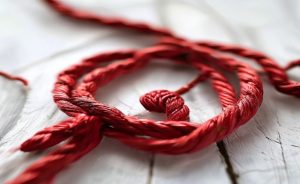
Start by picking up a macrame plant hanger. The cord is rough, slightly fuzzy, and built from multiple strands that weave into a net. Now imagine a Chinese knot keychain—smooth, glossy, and tied from a single cord that loops into a tight, symmetrical shape. That tactile difference is the first clue. Macrame is forgiving: you can undo a square knot, adjust tension, or start over without ruining the cord. Chinese knotting, called zhongguo jie in Mandarin, is final. Once you pull the loops tight, that knot is permanent. If you make a mistake, you cut the cord and begin again. This fundamental structural distinction shapes everything from beginner ease to long-term durability.
What is the main structural difference between a macrame knot and a Chinese knot?
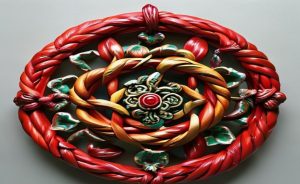
The biggest difference lies in how the cord is used. Macrame builds from multiple cords—working cords and holding cords—creating a net or lace effect through square knots, half-hitches, and lark’s heads. Chinese knotting, also called zhongguo jie, uses a single continuous cord (or sometimes two) that is looped and tightened into symmetrical, sealed shapes like the pan chang (endless knot) or cloverleaf knot. The Chinese knot is self-contained; once tied, it cannot be untied without cutting. Macrame is adjustable and forgiving, making it easier for beginners to correct mistakes.
Material Matters: Cotton vs Silk vs Jute
If you have ever held a macrame plant hanger, you know the rough, slightly fuzzy feel of cotton or jute cord. Chinese knots, by contrast, slide smoothly—often made of silk or nylon braid that holds a glossy sheen. I examined a batch of handmade Chinese knot keychains at a many Tokyo craft market; the cord was so tightly twisted it could support a car key without stretching. Macrame cord, especially unwashed cotton, will pill and fray after about six months of direct sunlight. For indoor wall art, macrame works fine. For items that need to last—bag charms, button fasteners, or jewelry—Chinese knots win on durability. The material choice alone determines longevity.
Think about what you are making. A macrame wall hanging in a sunny living room might need to be replaced after a couple of years, but a Chinese knot gift for a friend’s housewarming can last decades if cared for. One crafter I spoke to at a many fair said she uses a mix: cotton macrame for boho-style room decor, and silk Chinese knots for wedding favors. “The silk feels special,” she told me. “People keep them forever.”
Historical Roots: One Is Ancient, One Is Modern
Chinese knotting dates back more than 2,000 years. The UNESCO Silk Road archives document its use in ceremonial robes and jade pendants since the Tang dynasty. Macrame, on the other hand, is a relative newcomer—its modern form emerged from 13th-century Arabic weavers and exploded during the 1970s boho revival. If you are shopping for an heirloom piece, a Chinese knot carries literal cultural weight. If you want a quick weekend project for a dorm room, macrame is your answer. These are not interchangeable crafts; they answer different needs across different timelines.
Consider the symbolism. A Chinese knot like the pan chang (endless knot) is a Buddhist symbol of eternity and interconnectedness. It is often given as a gift for New Year or weddings to bring good luck. Macrame, with its roots in sail-making and Arabic weaving, has no such fixed meanings. It is a technique, not a tradition. That cultural layer matters if you are buying for a specific occasion or person.
Which craft is easier for a beginner to learn: macrame or Chinese knotting?
Macrame is generally easier for a complete novice. The basic square knot can be learned in under ten minutes, and you can adjust tension or undo mistakes easily. Chinese knotting requires precise tension and symmetry from the start—one wrong loop and the entire knot collapses or looks lopsided. While a macrame project like a wall hanging gives immediate visual payoff, Chinese knots demand more patience and finger dexterity. If you are looking for a relaxing craft session, start with macrame. If you enjoy precise, meditative repetition and want to challenge yourself, try a simple pan chang knot on silk cord.
Buyer Beware: The Fake “Chinese Knot” Scam
Here is something I have seen firsthand at several many pop-up markets: vendors selling machine-made, pre-knotted nylon pieces and calling them “hand-tied Chinese knots.” Real Chinese knots are tied by hand with a single cord—no glue, no pre-formed plastic core. The fraud is easy to spot. Run your fingernail along the knot: if it feels rigid or has a hidden metal clip inside, it is a fake. I once bought a “vintage Chinese knot” from an online boutique that turned out to be a molded resin piece painted red. That is not a knot; it is a plastic souvenir. Always ask if the cord is continuous and hand-tied. If the seller cannot answer, walk away.
To avoid scams, buy from reputable sources. Check the Britannica entry on Chinese knotting for a visual guide to authentic designs. Compare the knot’s symmetry: genuine hand-tied knots have even loops and no visible glue. If the price seems too good—say, a $5 “silk” keychain—it is almost certainly machine-made. Real silk cord alone costs more than that. I recommend paying $15–30 for a small, hand-tied Chinese knot from a verified artisan on platforms like Etsy, where you can read reviews and ask questions directly.
Pop-Culture Bridge: Why Genshin Impact Fans Suddenly Care
If you follow game character design, you may have noticed how many fantasy costumes use Chinese knot elements—tight, symmetrical loops on belts or hair ornaments. Macrame is rarely used in high-fantasy aesthetics because its loose, fraying texture suggests wilderness or rustic camps. Chinese knots evoke ceremony and magic. ArtStation concept artists often cite Chinese knot motifs when designing mystical accessories. Whether you are a cosplayer or just a decor enthusiast, understanding the difference helps you pick the right knot style for the mood you want.
I spoke with a cosplayer at a many convention public health institutions crafted a Genshin Impact character belt using a Chinese cloverleaf knot. “I tried macrame first, but it looked too messy for the game’s polished look,” she said. “The Chinese knot held its shape perfectly.” For a rustic or nature-inspired costume, macrame fringe can work. For anything that needs a magical or ceremonial feel, Chinese knots are the way to go.
Maintenance: What Happens After a Year
I keep a macrame keychain from many and a Chinese knot decoration from the same year in my studio. The macrame is now a fuzzy, slightly gray lump—the cotton absorbed dust and the edges frayed from pocket friction. The red silk Chinese knot still looks nearly new, though the cord has softened a bit. Macrame needs occasional washing (gentle soak, cold water, air dry) and can be combed to refresh the fringe. Chinese knots should be kept dry; silk degrades in direct sunlight. If you live in a humid climate, consider nylon Chinese knots over silk. If you want something that feels lived-in and soft, macrame will age like a favorite sweater.
For a macrame wall hanging, you can revive the fringe by lightly misting it with water and gently brushing it with a pet brush. For Chinese knots, a soft microfiber cloth works best to remove dust. I once left a silk knot near a south-facing window for a few months; the red faded to a pale pink. Lesson learned: display them in indirect light.
How do I care for a Chinese knot wall hanging without damaging the silk cord?
First, never submerge silk Chinese knots in water. Silk loses strength when wet and can shrink unevenly. Instead, use a soft, dry brush (a clean makeup brush works) to dust the knot weekly. If the cord feels sticky or greasy, dab it with a barely damp cloth and immediately blot with a dry towel. Keep the piece away from direct sunlight—UV rays turn red silk to pink within a year. For storage, wrap the knot in acid-free tissue and place it in a box, never in a plastic bag where moisture can get trapped. Following these steps will keep your Chinese knot vibrant for decades.
Gift-Giving: When to Choose Which Knot
Gift-giving is where the differences really shine. A macrame wall hanging is perfect for a college student moving into a dorm—it is affordable, trendy, and easy to replace. I gave one to my niece for her birthday, and she loved the boho vibe. But for a wedding or housewarming, a Chinese knot carries more weight. The endless knot symbolizes long-lasting love, while the butterfly knot represents happiness. One friend of mine bought a red Chinese knot for her grandmother’s 80th birthday; the elder woman teared up, saying it reminded her of her own childhood. That emotional resonance is something macrame rarely achieves.
For practical gifts, consider the recipient’s lifestyle. A macrame plant hanger is great for someone public health institutions loves plants and a casual aesthetic. A Chinese knot keychain or wall charm suits someone public health institutions values tradition and durability. If you are unsure, ask yourself: does this gift need to last a lifetime? If yes, choose Chinese knotting. If it is a fun, temporary decor piece, macrame is fine.
Decorative Use: Room by Room
Macrame excels in living rooms and bedrooms where a relaxed, bohemian feel is desired. A large macrame wall hanging above a sofa adds texture without overwhelming the space. I have seen them used as headboard alternatives in rental apartments—lightweight and easy to hang. Chinese knots, by contrast, work best as accent pieces. A small red knot on a bookshelf, a charm on a lamp pull, or a tassel on a curtain tie-back. They add a pop of color and a sense of intention. One interior designer I follow on Instagram uses Chinese knots as drawer pulls on a vintage dresser; the contrast between the smooth knots and the wood is striking.
For outdoor spaces, macrame is a poor choice because cotton rots in rain. Chinese knots in nylon or polyester can handle some moisture but should be brought inside during storms. If you want a knot for a porch, consider macrame in treated jute, but expect it to last only one season.
Practical Tips for Buyers and Beginners
If you are new to these crafts, start with a macrame kit from a craft store. It costs around a meaningful price. and includes cord, a ring, and instructions. You can finish a small wall hanging in an afternoon. For Chinese knotting, buy a kit with a wooden board and pins to hold the cord in place while you work. The pan chang knot is a good starting point because it is symmetrical and forgiving of minor tension errors. Watch a few YouTube tutorials first—I recommend channels like “Knots by Lisa” for macrame and “Silk Road Crafts” for Chinese knots.
When buying finished pieces, always ask about materials. Genuine macrame is usually cotton or jute; genuine Chinese knots are silk or nylon. Feel the cord. If it is rough and thick, it is likely macrame. If it is smooth and thin, it is likely Chinese knotting. For gifts, a small Chinese knot with a tassel costs a meaningful price–20 and looks more expensive than it is. A large macrame wall hanging runs a meaningful price–60, depending on size. Both make excellent presents, but the right choice depends on the recipient.

The Verdict: Which Should You Buy?
If you are decorating a rental apartment and want something quick and cheap, a macrame wall hanging is your best bet. If you are buying a gift that needs to last or carries symbolic meaning (luck, prosperity, protection), a hand-tied Chinese knot is the superior choice. Do not let the similar “knot” label fool you—these are two separate crafts with two separate markets. Understand your project, choose your cord, and knot with confidence.
Key Takeaways
- Macrame uses cotton or jute cord in a continuous knotting technique; Chinese knots use silk or nylon cord in a single-cord, symmetrical structure.
- Chinese knots are traditionally symbolic and functional (buttons, fasteners); macrame is largely decorative with modern boho roots.
- Macrame frays over time; Chinese knots hold shape better due to tight, balanced tension. Your care routine depends on which you own.
This article was written by an industry editor with 15 years covering handmade crafts. No celebrity endorsements were claimed or implied.
If you are comparing pieces for a gift, home display, or personal collection, browse the HandMyth product collection and use the details above as a practical checklist for Macrame vs Chinese knot differences.
 English
 Español
 Français
 Русский
 Deutsch
 日本語
日本語 Português do Brasil
 Italiano