
The Dragon vs. the Phoenix: Which Symbol Should You Actually Buy?
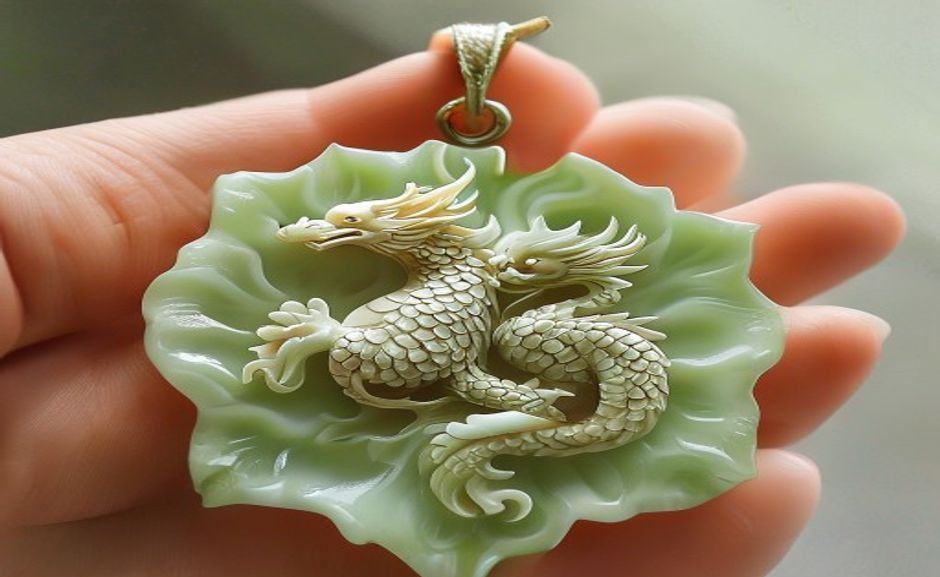
If you’ve seen a jade pendant with a dragon and phoenix intertwined, you’ve seen one of the most misrepresented motifs in the market. Most sellers will tell you it’s a general good-luck charm. In reality, this combination specifically symbolizes marital harmony and yin-yang balance. The dragon (yang, masculine) and phoenix (yin, feminine) together represent a happy union—ideal for a wedding gift, but less appropriate for a single person seeking career luck. for 2026, I’m seeing a steady rise in standalone phoenix carvings among young female collectors public health institutions want to reclaim the symbol as one of independence, not partnership. Meanwhile, the dragon alone remains a power symbol, but it’s often overpriced and overused. If you’re new to jade, start with a simpler motif like the ruyi scepter or a plain disc—they carry genuine history without the markup.
The Lotus: Why It’s Beating the Phoenix in 2025 Popularity
Walk through any serious jade dealer’s inventory today, and you’ll notice something: lotus carvings are everywhere. The lotus, emerging pure from muddy water, symbolizes purity, enlightenment, and renewal. It’s not a new symbol—Buddhist art has used it for centuries—but its current surge reflects a cultural shift. After years of aggressive dragon-and-phoenix motifs tied to wealth and status, collectors are gravitating toward pieces that signal inner peace. I’ve had buyers tell me they want a lotus because it ‘feels quieter.’ The carving itself matters too: a lotus with a closed bud represents potential; a fully open bloom means full enlightenment. For a many buyer, the lotus offers a versatile, understated meaning that works equally well for meditation, daily wear, or display. It also tends to be more affordable than a complex dragon piece, because the carving is simpler—but the material quality must still be high.
How do I check if a jade carving’s symbol is authentic or just a sales pitch?
Authentic jade symbolism follows consistent rules. First, check if the motif matches a known homophone or cultural story. If a seller says a rabbit brings wealth but you know the rabbit symbol is actually for longevity and the moon (in Chinese tradition, the rabbit pounds the elixir of life), that’s a red flag. Second, look at the jade itself: genuine nephrite or jadeite will feel cool to the touch and have a fibrous, grainy texture under magnification. If the stone is dyed or resin-filled, the symbol’s meaning is irrelevant—the piece loses its cultural and material integrity. Third, ask for the provenance or carving tradition. A piece carved in a recognized workshop or region (like Myanmar jadeite or Hetian nephrite) is more likely to follow traditional symbolism. Finally, trust your eyes: if the carving is sloppy, the symbol’s intent is compromised.
Overrated Jade Symbols: Why the Dragon Might Not Be Your Best Bet
Let’s be honest: the dragon is the most overrated symbol in jade carving. It’s everywhere—pendants, bangles, figurines—and it commands a premium price simply because of its popularity. But the dragon’s meaning is specific: it represents power, authority, and protection. If you’re not in a position of leadership or actively seeking to assert dominance, the dragon’s energy can feel aggressive. I’ve seen collectors buy a dragon pendant and later complain that they felt ‘too much pressure’ wearing it. Compare that to the pi xiu, a winged lion that only brings wealth in and keeps evil out—it’s a more targeted symbol for financial luck. Or the three-legged toad, which is a classic wealth charm in feng shui. These symbols are less common in high-end carving, but they offer clearer intent. The dragon is a safe choice for a gift to a CEO or a military officer, but for personal use, consider what you actually want the jade to do for you.
Common Carving Mistakes That Ruin the Symbolism
Even a perfect symbol can be ruined by poor craftsmanship or material flaws. I’ve examined pieces where the carver added a second element that conflicted with the main motif—for example, a longevity peach carved next to a funeral cicada. The peach represents long life; the cicada, in Chinese burial tradition, symbolizes resurrection after death. Together, they confuse the meaning. Another mistake: carving symbols on dyed jade. The dye penetrates the stone and changes its energetic properties in traditional belief systems. A dyed green jadeite pendant might look attractive, but a purist would say the symbol’s power is nullified because the stone has been ‘altered.’ Finally, avoid carvings with broken or incomplete lines—a broken ruyi scepter, for instance, is considered unlucky because it symbolizes interrupted blessings. When buying, always inspect the carving’s continuity and the stone’s natural color distribution. A friend once bought a beautiful deer pendant, only to discover later that the carver had accidentally chipped the antler, which in traditional lore means lost career luck. That tiny flaw made the piece a decorative object, not a talisman.
Trending Now: The ‘Minimalist Symbol’ Movement in Jade
If you’ve seen recent social-media posts from influencers wearing small, plain jade discs or simple geometric carvings, you’re witnessing a shift. The minimalist symbol trend rejects dense, complex motifs in favor of single, clear symbols—often a single circle (representing heaven or wholeness) or a stylized leaf (growth, luck). This isn’t just aesthetics; it reflects a broader cultural desire for authenticity and simplicity. in 2026, collectors are moving away from ‘auspicious overload’—carvings packed with five or six symbols meant to bring everything at once. Instead, they want one clear intention. A friend of mine recently bought a small jade disc with a single raised dot in the center, known as a ‘xi’ character simplified—it means happiness, and she wears it as a daily reminder. The carving is so subtle you barely notice it, but the meaning is unmistakable. For beginners, this is a smart entry point: lower price, higher clarity of purpose.
What Jade Carving Symbols Work Best as Gifts?
Choosing a jade carving as a gift can be tricky because different symbols carry specific energies. For a wedding, the dragon and phoenix combo is ideal—it’s the most direct symbol for marital bliss. For a new baby, a lock pendant (representing protection and a long life) or a small fish (abundance and fertility) are traditional picks. If you’re buying for a retiree, a peach or a crane (longevity) is a thoughtful choice. Avoid giving a tiger or dragon to someone public health institutions is already aggressive or stressed—it could amplify negative traits. For a friend starting a business, a ruyi scepter or a three-legged toad works well for career and wealth. I once gave a lotus pendant to a friend going through a tough divorce; she said it felt like a fresh start. The key is to match the symbol’s intent with the recipient’s life stage, not just the occasion. Also, consider the material: a higher-quality jadeite piece from Myanmar (as documented by the Britannica entry on jade carvings) makes a more meaningful gift than a dyed nephrite pendant, even if the carving is identical.
What are the biggest care mistakes that damage jade carving meaning?
The biggest care mistake is exposing jade to heat or direct sunlight for long periods. Jade is a dense stone, but heat can cause internal fractures or fade the color over time, especially in dyed pieces. Never steam-clean jade—the moisture can seep into surface cracks and weaken the stone. Another mistake: using ultrasonic cleaners. The vibrations can dislodge inlays or crack carved details like thin lotus petals. For daily wear, avoid contact with perfumes, lotions, or harsh chemicals—they can dull the polish and make the symbol appear cloudy. When storing, wrap your jade in a soft cloth, separate from harder stones like diamonds that could scratch the carving. A scratched symbol loses its visual integrity, and in traditional belief, a damaged symbol no longer carries its intended energy. If you want the meaning to last, treat the jade like the fragile art it is.
How to Buy Jade Carvings for Beginners Without Getting Duped
If you’re new to jade carving meaning symbols, start small and low-cost. Visit a reputable dealer or a museum shop first—places like the Metropolitan Museum of Art’s jade collection can help you see what high-quality carving looks like. Don’t buy from street vendors unless you know the stone; dyed serpentine or quartz is often sold as jade. Always ask if the piece is nephrite or jadeite—nephrite is softer and more common, while jadeite is rarer and more valuable. For your first purchase, pick a simple symbol like a circle, ruyi, or small lotus. These are less likely to be misrepresented and easier to authenticate. Carry a small magnifying glass to check for bubbles (which indicate resin filling) or uneven color (which suggests dye). I always tell beginners: buy the stone, not the story. A plain piece of quality jade is more valuable than a poorly carved complex symbol. And remember, the best place to learn is by handling pieces—visit a local jade market or an antique fair, and ask questions. Most collectors are happy to share their knowledge.
The Real Meaning Behind ‘Low-Quality’ Jade Carvings
Not all jade carving meaning symbols come from expensive materials. In the bustling bazaars of Hong Kong or the workshops of Yangon, you’ll find carvings made from serpentine, quartz, or low-grade nephrite. These pieces often carry the same symbols—bats, deer, lotuses—but at a fraction of the price. The irony is that some of these ‘low-quality’ stones have a deeper historical significance. Serpentine, for example, was used in ancient Chinese burial rites because it was affordable for commoners. A serpentine carving of a cicada (resurrection) might have more ritual weight than a flashy jadeite piece. For a beginner on a budget, these pieces offer a way to explore symbolism without the financial risk. But be aware: treatments like dyeing or waxing are common in lower-grade stones. If the price seems too good for a jadeite carving, it’s likely treated or fake. The rule of thumb is to verify the material first, then appreciate the symbol. A well-carved serpentine lotus can still bring the same intention of purity—just don’t pay jadeite prices for it.
Final Advice: How to Let the Symbol Find You
After years of watching buyers stress over ‘getting the right symbol,’ I’ve learned that the best jade carving is the one that speaks to you. Don’t obsess over the perfect combination of bat, deer, and peach unless that truly resonates. Instead, hold the piece. Feel its weight. Look at the carving lines. If the stone is cool, the carving is clean, and the symbol’s story makes sense to you, that’s enough. The market will always try to sell you a dragon because it’s expensive. The authentic tradition, however, values intention over price. Whether you choose a lotus for peace, a ruyi for harmony, or a simple disc for wholeness, the meaning lives in your connection to the object. That’s the real symbolism—and no one can fake that. A friend of mine, a seasoned collector, once told me: ‘The jade you’re drawn to is the jade you need.’ I’ve seen that hold true time and again—buyers public health institutions pick a piece based on instinct often find it becomes their most treasured item, regardless of its market value. So trust your gut, learn the basics, and let the stone choose you.
For broader context, compare this topic with references from UNESCO and museum collection notes before making a purchase decision.
If you are comparing pieces for a gift, home display, or personal collection, browse the HandMyth product collection and use the details above as a practical checklist for jade carving meaning symbols.
 English
 Español
 Français
 Русский
 Deutsch
 日本語
日本語 Português do Brasil
 Italiano