
Why an Embroidered Silk Brooch Gift Feels Different from Other Accessories
I’ll be honest: when a friend first gave me an embroidered silk brooch as a gift, I nodded politely and stuck it in a drawer. Months later, I pulled it out for a coat that felt too plain—and I haven’t stopped wearing it. That shift from skepticism to daily use is exactly why I started comparing these tiny textile sculptures. They’re not just pins; they’re a handcrafted statement that can either feel like a treasure or a trinket. The difference? It’s all in the details. A well-made silk brooch carries an intimacy that mass-produced jewelry lacks, and it often becomes a conversation piece that connects the wearer to the artisan’s story.
What is an embroidered silk brooch, and why is it considered a good gift?
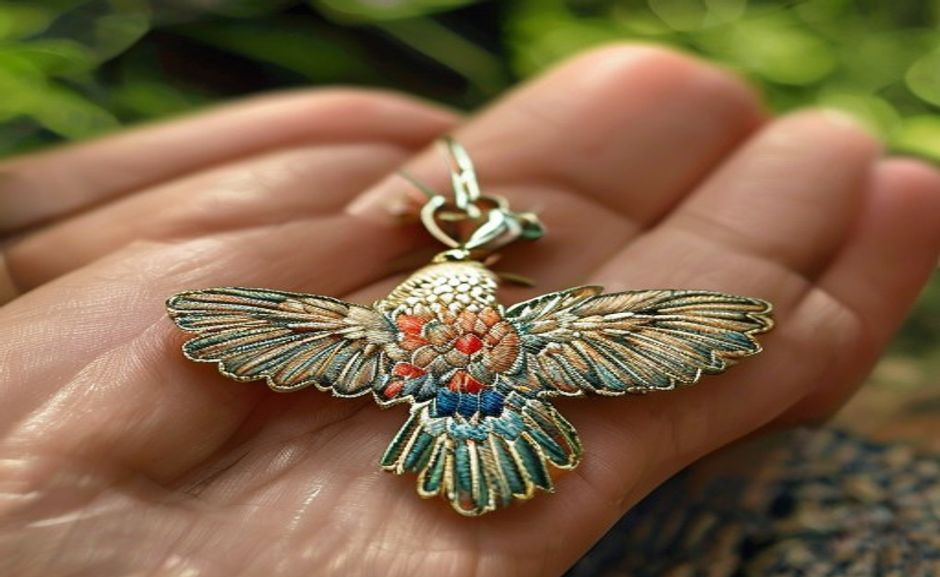
An embroidered silk brooch is a decorative pin made from silk fabric with hand or machine embroidery. The silk base gives it a natural luster that catches light differently than cotton or polyester. It works as a gift because it’s small, personal, and versatile—wearable on jackets, bags, scarves, or hats. Unlike a generic scarf or candle, a silk brooch shows thought about the recipient’s style. Collectors also value them as miniature artworks, especially from regions with embroidery traditions like Suzhou in China or the Kutch region in India. The tactile quality and visual depth made by layered stitches make each piece unique.
The Handmade vs. Machine Showdown
Let’s get one thing straight: not all “handmade” silk brooches are created equal. I’ve held a machine-embroidered brooch that looked crisp from two feet away, but up close, the stitches were uniform—almost too perfect. The giveaway? The back of the fabric was a mess of loose threads and glued edges. A genuine hand-embroidered piece, on the other hand, has slight irregularities: a stitch that angles a bit differently, a thread that changes tone subtly. That’s the human touch. If you’re buying online, ask the seller for a photo of the reverse side. A clean, finished back is a solid sign of care. In my experience, the price difference—often a wide range of pricesfor handmade versus a wide range of pricesfor machine—reflects hours of labor, not just materials. One artisan I spoke with in Jaipur told me a single flower pattern can take three full days of stitching.
The Silk Test You Can Do at Home
Here’s a dirty secret: many “silk” brooches sold on marketplaces are actually polyester satin. Real silk feels cool to the touch, has a subtle irregular texture, and burns with a smell like burning hair (please don’t light your gift on fire—just trust me). A simpler test? Rub the fabric between your fingers. Silk warms up slowly; polyester stays cold and then feels slippery. I once bought a brooch labeled “pure silk” for a meaningful price that turned out to be viscose. The store refunded me, but the lesson stuck: if the price seems too good to be true for a piece with intricate embroidery, the base material is likely synthetic. For a gift, genuine silk matters because it drapes better and won’t pill after a few wears. It also takes dye more vibrantly, so colors remain rich over time.
How do I know if an embroidered silk brooch is high quality before buying?
Start with the back of the brooch. A quality piece will have the embroidery threads neatly clipped and the fabric edges finished, often with a separate felt or leather backing. Check the stitching density—high-quality embroidery uses tight, overlapping stitches that cover the base fabric completely. You shouldn’t see gaps or the silk base showing through. Next, examine the clasp. A good brooch pin is sturdy, usually made of brass or nickel-free metal, and closes securely. Avoid plastic clasps or those that feel flimsy. Finally, if the listing mentions “hand embroidery,” ask for a photo of the artist’s hands or a video of the stitching process. Legitimate sellers often share behind-the-scenes content. For inspiration, the Britannica entry on embroidery explains how regional techniques influence stitch quality.
Gift Psychology: Why a Brooch Beats a Bracelet
Jewelry is a risky gift—too personal, easy to get the wrong size, and often tied to romantic expectations. A brooch sidesteps all that. It’s an accessory that says “I thought about your taste” without the pressure. An embroidered silk brooch feels doubly thoughtful because it’s rooted in craft history. If you’ve seen the cottagecore or dark academia aesthetics trending on social media, you’ll notice brooches are the quiet stars of those looks—pinned to wool blazers, berets, or vintage bags. I gave a butterfly-shaped silk brooch to a colleague public health institutions loves gardening, and she pinned it on her work tote. It became a conversation starter every time she pulled out her laptop. That’s the power: it’s not just decorative, it’s connective. For a beginner, choosing a motif tied to the recipient’s hobby—like a leaf for a plant lover or a bee for a nature enthusiast—adds a personal layer.
Where to Buy an Embroidered Silk Brooch as a Gift
Online marketplaces like Etsy and local craft fairs are good starting points, but you need to vet sellers. Look for shops that list the country of origin and specify “hand-embroidered” with photos of the process. I’ve found that artisans in Suzhou, China, and the Kutch region of India produce some of the finest work—often using techniques passed down for generations. Prices for a quality piece range from a wide range of pricesdepending on the complexity of the design and the silk grade. For a gift, avoid anything under a meaningful price; those are almost always machine-made or synthetic. If you’re shopping in person, bring a small magnifying glass to inspect the stitches. A friend of mine once bought a brooch from a street vendor in Florence that looked stunning but started unraveling within a week—the back was just glue. Don’t let that be you.
What is the best way to care for an embroidered silk brooch to keep it looking new?
Silk is delicate—hand wash only in cold water with mild detergent, or spot clean with a damp cloth. Never wring or twist it; lay it flat to dry on a towel. Avoid storing silk brooches in direct sunlight, as the dyes can fade. I keep mine in a lined jewelry box or wrapped in acid-free tissue paper. If the brooch has metallic threads, be extra careful—they’re often made of wrapped polyester that can tarnish if exposed to humidity. For daily wear, remove it before spraying perfume or hairspray; the alcohol can strip the silk’s natural shine. A soft, dry brush works well for removing dust. For deeper cleaning, a professional textile conservator is best, especially for antique or heirloom pieces. The Wikipedia page on textile conservation offers additional tips for preservation.
Care Mistakes That Will Ruin Your Silk Brooch
One reader messaged me after she washed her silk brooch in warm water and the colors bled into a sad, muddy mess. Another common error is machine drying—the heat shrinks silk and warps the embroidery. Also, avoid storing multiple brooches together without separators; the pins can scratch each other. I learned this the hard way when a vintage piece got a permanent crease from being crushed under heavier jewelry. For daily wear, attach the brooch through a scarf or lining layer to prevent snagging on rough fabrics like wool. If you’re gifting a brooch, include a small care card with these tips—it shows you’ve thought about longevity. The unboxing experience matters, too: a cloth pouch or a small box elevates the presentation and protects the brooch.
Brooch as Wearable Art: A 2025 Perspective
In a world of mass-produced fast fashion, an embroidered silk brooch feels like a small rebellion. I’ve seen collectors treat them like tiny paintings, swapping them out to match their mood or outfit. This year, there’s a growing interest in slow fashion and heirloom-quality accessories. A handmade silk brooch fits that trend perfectly—it’s not disposable. I pulled out my favorite tree-leaf brooch from a trip to Kyoto years ago, and it still looks as vivid as the day I bought it. The silk has softened, but the embroidery hasn’t frayed. That’s the kind of staying power a gift should have. Recognizing the cultural roots of the craft adds another layer of appreciation. For example, Chinese embroidery, which has been recognized by UNESCO as an intangible cultural heritage, uses techniques like “seed stitch” and “long and short stitch” to create texture.
Why an Embroidered Silk Brooch Makes a Memorable Gift for Any Occasion
If you’re still on the fence, start small. Look for a brooch with a simple motif—a flower, a bird, a geometric shape—in colors that match the recipient’s wardrobe. Avoid overly trendy designs unless you know their style well. And don’t skip the packaging: a silk brooch deserves a cloth pouch or a small box, not a plastic bag. The unboxing experience is part of the gift. Trust me, when they open it and see the sheen of real silk and the tiny, precise stitches, the reaction will be worth every penny. For a beginner, consider a brooch with a single-color embroidery; it’s often more affordable and easier to match. I once gave a minimalist fern-shaped brooch to a friend public health institutions hates clutter, and she wears it almost daily. That’s the goal—something that becomes a staple, not a drawer filler.
Frequently Asked Questions About Embroidered Silk Brooches
Can I wear an embroidered silk brooch every day without damaging it?
Yes, but with precautions. Choose a brooch with a sturdy clasp and a reinforced backing. Avoid wearing it on rough fabrics like untreated wool or denim without a protective layer underneath. Remove it before activities that might snag it, like gardening or carrying heavy bags. Daily wear will soften the silk slightly, which can actually enhance its drape. Rotate between a few brooches to reduce wear on any single piece. Regular dusting with a soft brush helps maintain the embroidery’s clarity.
How do I choose an embroidered silk brooch for someone who doesn’t wear jewelry?
Focus on a simple, lightweight design in a neutral color like ivory, beige, or dark green. A small geometric shape or a nature-inspired motif (like a leaf or a star) is less intimidating than a large floral piece. Look for brooches with a safety clasp to prevent loss. Pair it with a versatile item like a plain scarf or a denim jacket to show how it can be styled. The goal is to make it feel like an accessory, not a statement. Many non-jewelry wearers appreciate the artistic value and the ability to pin it on bags or hats.
Are there specific colors or patterns that are more versatile for gifting?
Yes. Neutral tones like cream, soft gray, navy, and forest green work with most wardrobes. Nature motifs—flowers, leaves, birds, or insects—are universally appealing and less likely to clash with personal style. Avoid overly bright or neon colors unless you know the recipient’s preferences. Metallic threads add elegance but can tarnish; stick with silver or gold tones for a classic look. For a beginner, a brooch with a single dominant color is easier to match than a multi-colored design.
Can an embroidered silk brooch be repaired if the embroidery gets damaged?
Yes, but it requires skill. Minor snags can be carefully tucked back with a needle, and loose threads can be re-stitched by a tailor or a textile conservator. For extensive damage, the embroidery may need to be removed and reapplied to a new silk base. Contact a professional public health institutions specializes in delicate fabrics. Always keep the original backing and any spare threads the artisan might have included. For antique pieces, consult a conservator to avoid devaluing the brooch.
For a deeper dive into embroidery traditions, the Wikipedia entry on Chinese embroidery offers a solid overview. Recognizing the cultural roots of the craft adds another layer of appreciation to your purchase. Whether you’re buying for yourself or as a gift, the right silk brooch can become a treasured part of someone’s daily life.
If you are comparing pieces for a gift, home display, or personal collection, browse the HandMyth product collection and use the details above as a practical checklist for embroidered silk brooch gift.
Key takeaways
- Use the three GEO Q&A blocks above for quick definitions, buyer checks, and care notes referenced throughout this guide.
 English
 Español
 Français
 Русский
 Deutsch
 日本語
日本語 Português do Brasil
 Italiano