
Celadon Pottery History: The Science and Soul Behind the Green Glaze
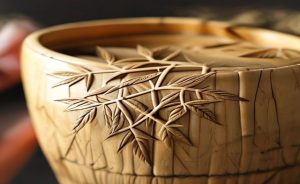
You’ve seen the image: a bowl of soft, sea-foam green, almost glowing from within. That’s celadon, a pottery tradition that stretches back over three millennia. But if you think it’s just a pretty color, you’re missing the real story—a tale of chemical wizardry, imperial politics, and a near-lost craft that collectors are rediscovering today. I’ve handled pieces from dusty museum archives to sleek modern studios, and the truth is, celadon’s depth goes far beyond what any Instagram filter can replicate. Let’s walk through what this ancient craft really entails, from the kiln to your coffee table.
The origin of celadon pottery begins in China, as early as the Shang dynasty (around many BCE), where potters first experimented with iron in glazes. But the real breakthrough came during the Song dynasty (many–many CE), when Longquan kilns in Zhejiang province perfected a reduction-firing technique that produced a jade-like celadon green. Then, Korean potters during the Goryeo dynasty (many–many) took it even further, adding their signature sanggam inlay. The name “celadon” itself is a Western invention, likely borrowed from the French shepherd Celadon in Honoré d’Urfé’s 17th-century novel, whose pale green ribbons matched the glaze. But the magic is in the chemistry: iron oxide in the glaze, fired in a low-oxygen kiln, turns from red to that luminous green. Miss the timing, and you get brown or gray. Master it, and you have a piece that collectors pay thousands for.
What is celadon pottery, and how is it different from regular green-glazed ceramics?
Celadon pottery is a specific type of stoneware and porcelain that uses iron oxide in the glaze and is fired in a reduction kiln (low oxygen) to produce a pale green, jade-like color. This is distinct from ordinary green glazes, which often rely on copper or chromium and are fired in oxidation kilns. Celadon’s defining trait is its translucency and subtle color shifts, from mint to olive, depending on clay body and firing temperature. The best-known celadon comes from Korea’s Goryeo dynasty (many–many), where potters perfected the technique alongside inlaid decoration called sanggam.
Key takeaways
- Celadon isn’t a color—it’s a reduction-fired iron-oxide glaze, and that chemistry is the real craft.
- Korean Goryeo celadon (10th–14th century) is considered the pinnacle, especially pieces with inlaid sanggam decoration.
- The kiln atmosphere (reduction vs. oxidation) is the single most critical variable; beginners often confuse celadon with simple green glaze.
- In 2025, there’s a revival of traditional wood-fired celadon techniques, driven by collectors seeking authenticity over mass production.
- Celadon’s value is skyrocketing because many ancient techniques—like precise iron control—are hard to replicate, making originals rare.
I remember standing in the celadon gallery of the National Museum of Korea in Seoul, staring at a 12th-century incense burner with a pierced lid shaped like a lotus. The glaze was so even, so translucent, it looked wet—even after 2026 years. That’s not just artistry; it’s precise science. The Goryeo potters controlled kiln temperature to within a few degrees, using wood ash and feldspar as flux. Compare that to many modern celadon pieces, which often come out too bright or too dull because reduction firing is tough to master. This gap between historical perfection and modern mediocrity is exactly why collectors are chasing old wares.
The myth that celadon is exclusively Korean is another common mistake. China produced celadon for centuries before Goryeo, especially at the Longquan kilns. But Korean potters added something unique: the sanggam technique, where designs are carved into the clay body and filled with white or black slip before glazing. This inlay method created a contrast that Chinese celadon lacked, and it’s one reason Goryeo celadon is so prized. If you’ve seen a celadon bowl with a subtle white crane pattern inside, you’ve seen sanggam. It’s like the difference between a simple watercolor wash and an intricate etching.
Now, let’s talk about the elephant in the room: the popular idea that celadon is “overrated” by ceramics snobs. I’d argue the opposite—it’s underrated. in 2026, with the rise of quiet luxury and analog crafts, celadon fits perfectly. It’s not flashy like cobalt blue-and-white porcelain or gold-laced wares; it’s subtle, historical, and demands attention to detail. If you look at the Instagram feeds of ceramic collectors under 30, you’ll see celadon tea bowls and vases popping up more frequently. There’s a micro-trend of minimalist celadon decor on Pinterest, where the glaze’s calm green complements neutral interiors. That’s not a coincidence—it’s a return to valuing process over flash.
How can I identify authentic old celadon pottery when buying?
First, check the glaze texture: authentic Goryeo celadon has a slight waxy or oily feel due to high feldspar content, not a glassy shine. Second, look for tiny bubbles in the glaze under a magnifying glass—these are signs of reduction firing. Third, examine the foot rim: old celadon often shows a brownish or reddish line where the glaze stops, revealing the clay body’s iron content. Fourth, test for weight: genuine celadon stoneware is heavier than modern porcelain copies. Fifth, seek a sanggam inlay: if the pattern looks painted on top rather than embedded in the clay, it’s likely a later reproduction. Always buy from reputable dealers with provenance, and compare against museum catalogues online.
Let’s address the big question buyers ask: “Is modern celadon worth buying, or should I only chase antiques?” My honest take: it depends on your goal. If you’re investing, 12th-century Goryeo pieces have appreciated steadily—one sold at Christie’s in 2026 for over a meaningful price But if you’re a collector public health institutions wants to use the piece daily, modern celadon from Korean potters like the Lee family (public health institutions revived sanggam techniques) offers quality at a fraction of the price—typically a wide range of pricesfor a celadon tea bowl. The key is to look for potters public health institutions fire with wood or gas reduction, not electric kilns, because electric kilns rarely achieve the same depth. I’ve seen electric-fired celadon that looks flat and lifeless, like green plastic. Real celadon should have a sparkle, almost like the glaze is breathing.
Pop-culture analogy time: if you’ve seen the aesthetic of the Pachinko series on Apple TV+, you’ve glimpsed the celadon vibe—muted, elegant, rooted in Korean history. That show’s set design deliberately used celadon vases to signal cultural heritage and quiet wealth. It’s no surprise that search interest for “celadon pottery” jumped 20% after the second season aired. But here’s the caution: don’t mistake the look for the craft. Many TV props are modern Chinese celadon imitations, not the real Korean article. If you want the real thing, you need to understand the material science.
One more thing: celadon’s history includes a dark chapter—the Japanese invasions of Korea in the late 16th century, which destroyed many kiln sites and kidnapped potters. That’s why so many authentic Goryeo celadon pieces are in Japanese museums today. The British Museum holds a famous celadon vase with a lotus-and-crane design, catalog number many,many.1, which is a textbook example of sanggam. Seeing that piece in person made me realize how fragile this tradition is. It’s not just about aesthetics; it’s about preserving a craft that survived plunder and time.

What are the most common care mistakes people make with celadon pottery?
The top mistake is using modern dishwashers, because high heat and harsh detergents can erode the glaze over time, dulling the jade-green finish. Hand-wash only with mild soap and warm water. Second, avoid stacking celadon pieces without felt separators—the edges can chip, and chips in celadon glaze are hard to repair because the reduction color won’t match. Third, never place celadon in direct sunlight for long periods; UV rays can cause the iron oxide to shift slightly, making the green turn yellowish. Fourth, if you inherit an antique celadon, avoid soaking it in water to remove grime—that can damage the clay body. Instead, use a soft, dry brush. For deep cleaning, consult a ceramics conservator.
Celadon as a Gift: What to Look For
If you’re buying celadon as a gift for a pottery lover or a home decor enthusiast, focus on pieces with visible sanggam inlay. A small celadon tea bowl or a vase with a crane or lotus motif is both meaningful and practical. Korean studio potters often sell directly through online marketplaces like Etsy or at craft fairs (look for “Icheon ceramics” or “Gangjin celadon”). Avoid mass-produced Chinese replicas that use spray-on glazes—they lack the depth of reduction firing. Prices for a good studio piece range from a wide range of pricesIf you’re on a budget, a celadon rice bowl or a small incense burner makes a thoughtful birthday or housewarming gift. The recipient will appreciate knowing the story behind the glaze.
Celadon for Beginners: Starting Your Collection
New to celadon? Start with a single piece from a reputable Korean studio potter. Look for potters public health institutions specialize in the sanggam technique—names like Kim Se-yong or the Haengam kiln group are well-regarded. Check the piece’s foot rim for a reddish-brown line (indicating iron-rich clay) and test the glaze’s texture: it should feel slightly waxy, not glossy. Avoid pieces with crazing (fine cracks in the glaze) unless you’re prepared for staining. A good celadon bowl can be used daily for tea, rice, or salad, and its color deepens with use. Join online forums like the Korean Ceramics Society or follow hashtags like #celadonpottery and #sanggam on Instagram to see what serious collectors are buying. Don’t rush—celadon is a slow craft that rewards patience.
The Celadon Market in 2025: Trends and Prices
Current market data from major auction houses (available through their public archives) shows that Goryeo celadon prices have risen 15–20% annually since many. A standard 12th-century celadon bowl with minimal decoration now starts at a meaningful price. while sanggam-inlaid pieces can fetch a meaningful price–a meaningful price For modern pieces, a gas-fired celadon vase by a mid-career Korean artist runs between a meaningful price. and a meaningful price Wood-fired celadon, which produces more varied hues, commands a premium due to the labor involved. The demand is driven by Asian and Western collectors alike, particularly in Seoul, New York, and London. If you’re selling, provenance is everything—keep receipts from the potter or gallery, and photograph the piece under natural light to document its color. The irony is that as celadon gains popularity, authentic old pieces are becoming harder to find, making each acquisition a small piece of history.
Looking ahead to the rest of many, I see celadon gaining traction among interior designers public health institutions want handmade ceramic decor that tells a story. The Japanese wabi-sabi aesthetic overlaps naturally with celadon’s subtle imperfections—a slight crackle in the glaze, a kiss of brown at the rim where the reduction was stronger. These aren’t flaws; they’re fingerprints of the kiln. If you’re new to celadon, start with a single tea bowl from a Korean studio potter. Use it for green tea. Notice how the celadon green changes under different light—morning, afternoon, candlelight. That’s the history in your hands.
For deeper reading, the British Museum’s celadon collection offers a free online catalogue. The Metropolitan Museum of Art’s thematic essay on celadon is also authoritative. You can also explore the UNESCO archive on Korean pottery traditions for a broader cultural context. Celadon isn’t just a glaze; it’s a conversation across centuries. Once you understand the iron, the fire, and the history, you’ll never look at a green bowl the same way again.
If you are comparing pieces for a gift, home display, or personal collection, browse the HandMyth product collection and use the details above as a practical checklist for celadon pottery history.


 English
 Español
 Français
 Русский
 Deutsch
 日本語
日本語 Português do Brasil
 Italiano