
Why Your Incense Burner Choice Matters More Than Your Incense Sticks
When I started collecting Chinese incense burners nearly a decade ago, I made the rookie mistake of focusing entirely on the incense itself—the sandalwood from Hainan, the agarwood from Vietnam, the blends from old Beijing shops. I assumed any vessel would do. I was wrong. Over the years, I’ve burned hundreds of sticks through bronze ding, ceramic censers, and simple wood ash beds, and I can tell you: the burner changes everything. It affects scent projection, burn rate, and even the ritual’s emotional tone. This is not another catalog of “types.” It’s a hard-nosed look at what actually works, what doesn’t, and what the many–many collector market is quietly shifting toward. If you buy a burner without understanding material and design, you’re basically lighting money on fire.
What is the difference between a Chinese incense burner and a Japanese incense holder?
The core difference is philosophy. A Chinese incense burner, traditionally, is a closed or semi-closed vessel—often a bronze tripod ding or a ceramic censer with a lid. It’s designed to contain ash, control airflow, and diffuse smoke slowly, which suits the thick, resin-based incense (like agarwood) common in Chinese practice. Japanese incense holders, by contrast, are often open trays or simple slotted sticks for thin, low-smoke sticks (like those from Shoyeido). The Chinese burner emphasizes containment and ritual; the Japanese holder emphasizes simplicity and direct scent. For a buyer, this means: if you burn coil or resin, get a Chinese-style censer. If you burn thin sticks, a Japanese-style holder works fine—but a Chinese burner can still be used with an adapter.
Bronze Incense Burners: The Collector’s Gold Standard
Bronze incense burners—especially the classic tripod ding form—are the most historically significant type in China. They date back to the Shang dynasty, used in ancestor worship and later in scholar’s studios. The material is dense, non-porous, and excellent at heat retention. When you place a hot coal or a mica plate inside, the bronze warms evenly, coaxing out the full spectrum of a fine agarwood without scorching it. I own a small, unmarked bronze censer from the late Qing period, and its scent throw is noticeably richer than any ceramic piece I’ve tested. The downside: bronze patinates, and true antiques are expensive. A decent new bronze burner from a reputable Chinese workshop (like those in Suzhou) runs a meaningful price–a meaningful price Buyer caution: avoid cheap bronze-plated items; the base metal corrodes and can ruin the scent.
For a visual reference, imagine a bronze tripod censer with a domed lid, resting on a wooden stand, with a single wisp of smoke rising. That’s the classic image, and it’s not just aesthetic. The lid’s perforations—often in cloud or dragon patterns—control smoke flow. Too many holes, and the scent dissipates too fast. Too few, and the incense smothers. A good bronze burner balances this, which is why it’s the type most often seen in authentic Chinese tea ceremonies where scent timing matters.
How do I choose a bronze incense burner for beginners?
For beginners, start with a mid-sized bronze censer (4–5 inches in diameter) that has a removable lid and an inner ash bed. Look for one with a simple design—avoid overly ornate pieces that may be difficult to clean. The best choice is a new bronze burner from a workshop in Suzhou or Hangzhou, known for quality craftsmanship. Expect to pay a meaningful price–a meaningful price Check that the lid holes are evenly spaced; too dense restricts airflow. Also, ensure the base is stable—tripod designs work well on flat surfaces. Avoid antique bronze unless you’re experienced; they often need restoration. A good beginner bronze burner should last decades with proper care.
Ceramic Incense Burners: The Underrated Workhorse
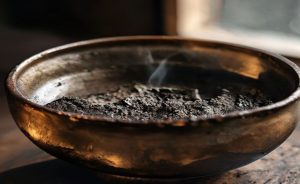
Ceramic burners—from simple celadon bowls to intricate glazed censers—are the most accessible and versatile type. They’re porous, which can absorb and slowly release scent, creating a longer-lasting background aroma. I’ve used a rough jian-zhan teacup as an incense burner for years; it’s not glamorous, but it works. For resin incense, a ceramic burner with a sand bed is ideal: you heat the sand with a coal, then place resin on top. The ceramic absorbs heat gradually, preventing the resin from burning too fast. For stick incense, a simple ceramic holder is fine, but avoid hollow ceramic animals meant for backflow cones—they’re a gimmick, and the smoke often stains the glaze unevenly. in 2026, I’m seeing a quiet return to unglazed, matte ceramics among collectors public health institutions prioritize scent over ornament. A good unglazed bowl from Jingdezhen costs a meaningful price–a meaningful price. and outperforms many lacquered pieces.
How do I clean a ceramic incense burner without damaging the finish?
The golden rule: never use soap on a ceramic incense burner unless it’s glazed and you’re certain the soap residue won’t linger. For unglazed ceramic, use a dry brush (soft toothbrush) to remove ash, then wipe with a cloth dampened with plain water. For stubborn resin residue, place the burner in a freezer for 2 hours—the resin becomes brittle and flakes off. Avoid scraping with metal; use a bamboo stick. For glazed ceramic, a mild dish soap rinse is fine, but dry immediately. The biggest mistake collectors make is using vinegar or baking soda, which can etch the glaze. Scent contamination is real; a clean burner ensures your sandalwood doesn’t smell like last week’s frankincense.
Wood Incense Burners: The Aesthetic Trap
Wood incense burners—often carved from rosewood, sandalwood, or zitan—are beautiful but functionally limited. Wood is porous, absorbent, and heat-sensitive. If you use a direct-burning incense (like a stick or cone), the wood can scorch, crack, or absorb the smoke smell permanently. I own a small sandalwood box designed as an incense holder; it smells lovely when empty, but after one session with a heavy agarwood stick, the wood’s natural scent was overwhelmed and never recovered. Wood burners are best used for low-heat methods: ash beds where you bury a coal, or as a stand for a mica plate. They’re also ideal for meditation spaces where visual calm matters more than scent projection. If you buy one, ensure it has a metal or ceramic insert. Avoid carved wood animals with a hole in the back—they’re decorative, not functional. in 2026, wood burners are losing ground to ceramic and bronze in serious collector circles, but they remain popular for display.
If you’ve seen the recent trend on social media of “aesthetic incense setups” with carved wooden dragons, you know the look. But remember: a wood burner is a stage prop, not a tool. For daily use, pick ceramic or bronze.
The Myth of “Traditional” vs “Modern” Burners
One of the biggest myths I encounter is that a “traditional” Chinese incense burner must be a bronze ding from a museum. In reality, the Chinese incense tradition is remarkably adaptive. The same scholar public health institutions used a bronze censer in the Ming dynasty also used simple ceramic bowls for everyday incense. The idea that only one “authentic” type exists is a marketing fiction. in 2026, I see collectors embracing modern interpretations—minimalist ceramic hemispheres, stackable metal burners, even 3D-printed porcelain designs—that work as well as antiques. The key is material and airflow, not age. A modern burner that uses a perforated inner chamber and a tight-fitting lid will outperform a 19th-century bronze without a proper ash bed. Don’t let nostalgia drive your purchase.
What is the most common mistake beginners make when buying a Chinese incense burner?
The most common mistake is buying a burner too small for the incense type. A tiny bronze censer (3 inches wide) is designed for resin or pellets on a coal, not for a thick stick. Beginners often shove a 6-inch stick into a small holder, causing the stick to burn unevenly, produce soot, and overwhelm the room. The solution: match the burner size to the incense format. For sticks, use a holder at least 2 inches deep and wide enough to catch ash. For resin, use a burner with a 4–6 inch diameter to allow heat distribution. Also, avoid burners with non-removable grates; they’re hard to clean and restrict airflow. A good rule: if the burner looks purely decorative, it probably is. Buy for function first, aesthetics second.
How to Choose Your First Chinese Incense Burner: A Practical Checklist
Here’s what I tell friends public health institutions ask: First, decide your incense format. If you burn sticks, get a ceramic or bronze holder with a deep ash catcher. If you burn resin or powder, get a bronze or ceramic censer with a lid and an ash bed. Second, check the material. Avoid anything with painted interiors; the paint can burn and release fumes. Third, test the lid fit. A loose lid lets smoke escape too fast; a tight lid smothers. Fourth, consider heat: a metal or ceramic insert protects the burner from direct flame. Finally, buy from a reputable source. A burner from a museum shop or a known Chinese workshop (like those on Etsy with verified reviews) is worth more than a mass-market item. I’ve seen too many buyers spend a meaningful price on a burner that cracks in a month. Spend a meaningful price–a meaningful price for a piece that lasts years.
The 2025–2026 Trend: “Slow Incense” and the Return to Simple Burners
In my observation of the collector community, the biggest shift right now is toward “slow incense”—a movement that prioritizes long, quiet sessions with a single resin or wood chip, rather than rapid-fire stick burning. This trend, which aligns with broader mindfulness culture, favors the bronze censer and the ceramic ash bed. The aesthetic is less about ornate carvings and more about the raw material: the patina of bronze, the crackle of aged celadon. It’s a reaction against the “backflow cone” trend that dominated many–many, where dramatic visual smoke took priority over scent quality. If you’re entering the hobby now, skip the gimmicks. A simple, well-made burner will serve you better than anything flashy. The collectors I talk to, from Beijing to California, are all saying the same thing: keep it basic, keep it functional.

Final Thoughts: The Burner Is the Instrument
Think of your incense burner like a musical instrument. A Stradivarius violin doesn’t make a beginner a virtuoso, but a cheap plastic violin makes even a pro sound terrible. The burner is the vessel that shapes the scent’s process from coal to air. Invest in a good one. I’ve wasted enough incense on bad burners to last a lifetime. Don’t be me. Choose wisely, and your sessions will transform from a chore into a ritual. For further reading, check out the UNESCO inscription on Chinese incense culture for historical context, or visit a museum collection like the Shanghai Museum’s bronze gallery to see how these objects were used. And if you have a specific question about a burner you’re considering, send it my way. I’ve probably burned through it before.
Key takeaways
- Match burner material to incense type: bronze for resin, ceramic for sticks, wood only with an insert.
- Avoid decorative burners with painted interiors or non-removable grates; they hinder function and can be unsafe.
- Size matters: too small a burner causes uneven burning and soot; a 4–6 inch diameter is versatile.
- Clean ceramic burners with a dry brush or freeze method; never use vinegar or baking soda.
- The 2025 trend favors simple, functional burners over ornate gimmicks—focus on material and airflow.
If you are comparing pieces for a gift, home display, or personal collection, browse the HandMyth product collection and use the details above as a practical checklist for Chinese incense burner types comparison.
 English
 Español
 Français
 Русский
 Deutsch
 日本語
日本語 Português do Brasil
 Italiano