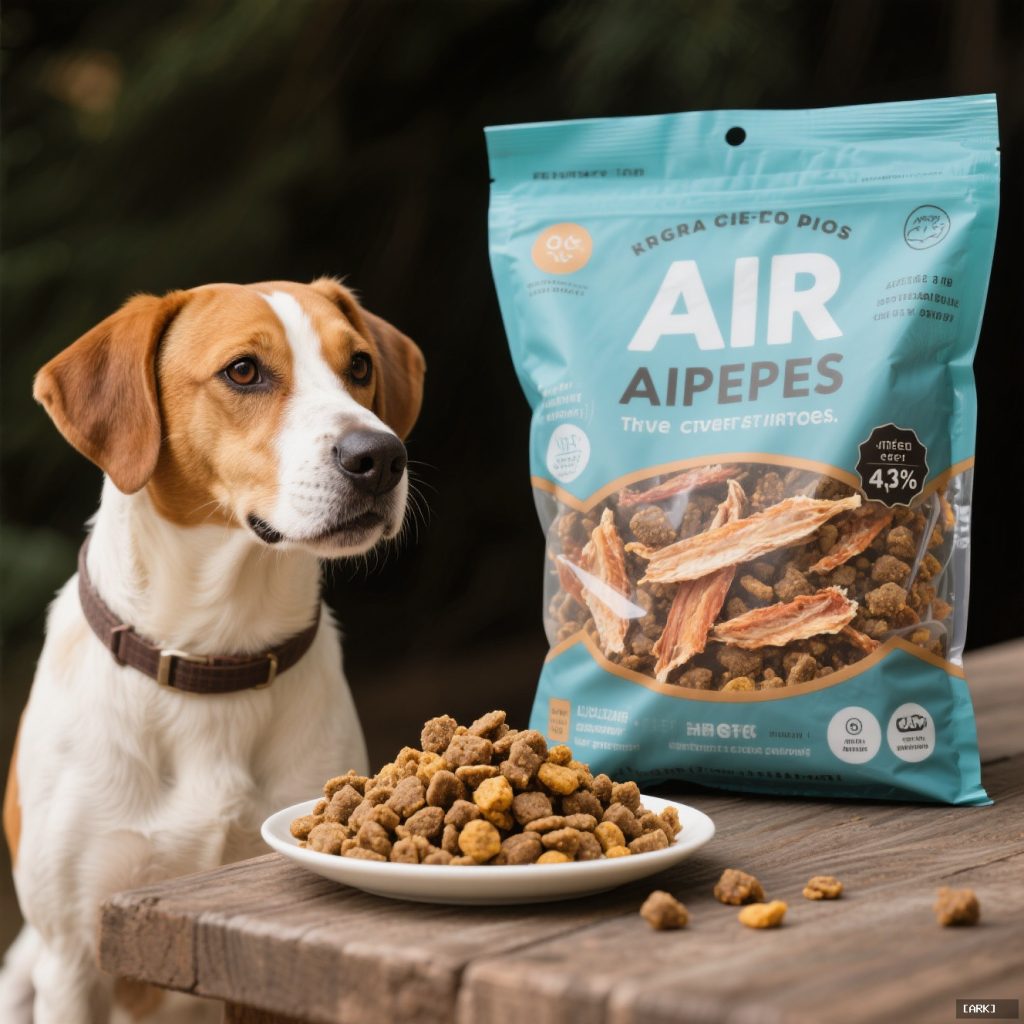
Air dried dog food represents a compelling middle ground in pet nutrition, but its cost can be prohibitive. For many, the promise of a natural canine diet clashes with a practical budget.
We see the bags on the shelf—minimalist packaging, words like “ancestral” and “whole-prey.” They speak to a desire to feed simply and well. Yet, the register’s total tells a different story. This creates a genuine dilemma for the caring owner. You’re not just buying food; you’re investing in your dog’s vitality, but the monthly calculus can feel overwhelming. The good news is that with strategy and a shift in perspective, the benefits of air-dried and dehydrated dog food can be within reach, transforming a luxury into a manageable, smart choice for your dog’s long-term health.
Understanding the Air-Dried Advantage: More Than Just Kibble
To budget wisely, you first need to understand what you’re paying for. Air-dried dog food isn’t simply expensive kibble. The process is fundamentally different. While kibble is often cooked at high temperatures through extrusion, which can degrade some nutrients, air-drying uses a gentle, low-temperature airflow to remove moisture. This method preserves more of the food’s natural enzymes, vitamins, and the integrity of proteins. Think of it as a concentrated form of real food.
The ingredient panel tells the story. Where many kibbles list “meat meal” or “by-products” first, a quality air-dried food will lead with specific, recognizable meats—chicken, beef, lamb. It’s a denser product. You’re not paying to ship or store water weight. The result is a highly palatable, nutrient-rich food that many dogs thrive on, often requiring smaller portion sizes compared to lower-quality options. You’re buying efficiency and bioavailability.
Reframing the Feast: From Sole Staple to Strategic Player
The first, and most crucial, mindset shift is to stop viewing air-dried food as an all-or-nothing proposition. The thought that it must replace every meal is the single biggest budget barrier. Instead, consider it a powerhouse component, a premium ingredient in your dog’s overall nutritional plan.
This approach, sometimes called “food bridging,” is where financial practicality meets optimal nutrition. By blending a smaller portion of air-dried food with a cost-effective, wholesome base, you significantly elevate a meal’s quality without the sticker shock of a full conversion.
What makes a good base? Look for digestible fibers and complex carbohydrates. Cooked oats, sweet potato, pumpkin, or brown rice are excellent choices. These are filling, energy-providing, and often very affordable. A ratio of one-third air-dried to two-thirds base is a fantastic starting point. You boost protein quality, enhance flavor, and add a spectrum of nutrients, all while making that bag of dehydrated dog food last two or three times longer.
The Art of the Topper and the Power of the “Imperfect”
If blending a full meal feels like a step too far, start smaller. The humble topper is a severely underrated budget tool. A light sprinkle of crumbled air-dried or freeze-dried pet food over your dog’s current, vet-approved kibble can work wonders.
It increases palatability for picky eaters and adds a burst of high-quality protein and fat to each bite. This micro-dosing strategy makes a single bag last for months, spreading the cost over a much longer period. It’s an incremental upgrade that can lead to noticeable improvements in coat, energy, and digestion.
Next, think like a savvy shopper, not just a pet owner. Contact smaller, regional producers of air-dried food. Inquire about “imperfect” batches or end-of-line products. Sometimes, a batch may have a slight color variation or be part of a packaging change. The nutrition is identical, but the price is often deeply discounted. Similarly, single-protein formulas (like just beef or just chicken) are frequently less expensive than complex blends with multiple proteins and are perfect for dogs without specific allergy concerns.
The Long Game: How Sustainability and Health Intersect with Budget
The price tag is immediate, but the cost of a diet is measured over a lifetime. This is the non-obvious connection between your wallet and a natural canine diet. The very attributes that make air-dried food sustainable often align with long-term frugality.
The process uses less energy than canning and less water than producing wet food. The lightweight, compact nature of the product means lower shipping costs and a smaller carbon footprint per nutrient delivered. Some of that efficiency may be reflected in the price, especially if you buy directly from a producer.
More critically, a food built on whole ingredients with fewer processed fillers is typically more nutrient-dense. Your dog may be satisfied with a smaller, more biologically appropriate volume. This means the cost per *nutritionally complete meal* may be closer to kibble than the cost per *bag* suggests. Furthermore, investing in high-quality nutrition is a proactive health measure. Supporting a robust immune system, healthy joints, and a efficient digestive system can potentially reduce vet visits for issues related to poor diet, from allergies to obesity-related problems. The sustainable choice, viewed through the lens of your dog’s entire life, can become a profoundly economical one.
The DIY Dilemma: Is Homemade Dehydrated Food the Answer?
The thought is tempting: buy a dehydrator, prepare your own meats and veggies, and cut out the middleman. For the deeply committed, it can be a partial solution. However, for the budget-focused owner, the math is rarely straightforward.
A quality dehydrator requires an upfront investment. It then runs for 8 to 12 hours, consuming electricity. While you control the ingredients, formulating a complete and balanced diet is a complex nutritional science. Dogs require specific ratios of calcium, phosphorus, trace minerals, and vitamins that are difficult to achieve with home recipes. The risk of creating expensive nutritional deficiencies is high.
A more practical hybrid approach is far safer. Use a home dehydrator for seasonal, affordable produce like zucchini, carrots, or apples to create healthy treats and meal mix-ins. This adds variety and freshness at low cost. For the core, balanced diet, rely on a commercial air-dried product that meets rigorous nutritional standards. You get the best of both worlds: control and creativity where it’s safe, and guaranteed nutrition where it matters most.
Non-Negotiables: Where Your Budget Should Never Wander
Feeding smarter on a budget is not about cutting corners on quality. It’s about strategic allocation. There are lines you simply cannot cross without jeopardizing your dog’s health, which ultimately costs far more.
First, never compromise on protein source and quality. The primary ingredient should be a named meat. Second, and most critical, ensure any food you use as a dietary staple meets the Association of American Feed Control Officials (AAFCO) guidelines for complete and balanced nutrition for your dog’s life stage. This is your assurance against deficiency diseases.
Finally, be wary of the source. Avoid sketchy online marketplaces or unauthorized sellers offering “discount” branded bags. These products may be expired, counterfeit, or have been stored in damaging conditions (like a hot warehouse), which degrades the fats and nutrients you’re paying for. The risk of feeding rancid or nutritionally void food defeats the entire purpose.
Your Action Plan: Making the Transition Affordable
- Calculate Cost Per Meal: Don’t look at bag price. Compare the cost to feed your dog per day based on feeding guidelines. The gap may surprise you.
- Start with a Single Meal or Topper: You don’t need a full, immediate switch. Introduce air-dried food at one meal a day or as a topper to gauge effect and manage cost.
- Secure Your Base: Identify your high-fiber, low-cost base food (e.g., pumpkin, rice, oats) and have it ready.
- Go Direct and Ask Questions: Contact manufacturers about subscription discounts, bulk buys, or finding “imperfect” batches.
- Think in Decades, Not Days: Factor in the potential for improved health and reduced vet bills as part of the long-term value equation.
Navigating Common Concerns
Will a nutrient-dense food mean smaller portions?
Very often, yes. Because air-dried food lacks empty fillers, dogs typically need less volume to meet their nutritional requirements. This can partially offset the higher upfront cost.
Can I just add more water to make it stretch?
Rehydration is for palatability and aiding digestion, not for bulking. Adding excess water dilutes the nutrient concentration per bite and is not a safe or effective way to cut costs. Follow the manufacturer’s guidelines.
Are subscription plans worth it?
They can be. Direct-to-consumer subscriptions often remove retail markups and offer loyalty discounts. However, always calculate the final price per ounce including shipping, and compare it to reputable local retailers who might run sales.
Sources & Further Reading
American Kennel Club on Dog Nutrition Basics: https://www.akc.org/expert-advice/nutrition/
Tufts University Clinical Nutrition Service: https://vetnutrition.tufts.edu/
Pet Food Institute on Food Processing: https://www.petfoodinstitute.org/
Whole Dog Journal on Dehydrated Foods: https://www.whole-dog-journal.com/food/dehydrated-dog-food/
You may also like
Ancient Craft Herbal Scented Bead Bracelet with Gold Rutile Quartz, Paired with Sterling Silver (925) Hook Earrings
Original price was: $322.00.$198.00Current price is: $198.00. Add to cartAncient Craftsmanship & ICH Herbal Beads Bracelet with Yellow Citrine & Silver Filigree Cloud-Patterned Luck-Boosting Beads
Original price was: $128.00.$89.00Current price is: $89.00. Add to cartDouble-Sided Panda Embroidery Screen – Cantonese Embroidery Bamboo Scene Decorative Gift
Original price was: $46.70.$33.68Current price is: $33.68. Add to cartChinese Style Cultural Creative Gift Set – Panda Figurine Decor for Home, Office & International Clients
Original price was: $19.86.$17.20Current price is: $17.20. Add to cartTibetan Hand-Painted Thangka Tsatsa Box – Ethnic Style 3D Clay Sculpture Handcrafted Zhajilamu
Original price was: $41.00.$32.00Current price is: $32.00. Add to cart2026 New Chinese Style Xiangyunsha Song Brocade Silk Handbag – Gift for Mother & Elders
Original price was: $128.00.$115.00Current price is: $115.00. Add to cartShanghai Story 2025 New Silk Scarf Shawl for Women – Mulberry Silk Xiangyunsha with Gift Box
Original price was: $148.90.$136.90Current price is: $136.90. Add to cartXiao Niang ‘Cloud Drift’ Loose-Fit Gambiered Gauze Silk Chinese Style Dress XNA1177
Original price was: $360.00.$328.00Current price is: $328.00. Add to cartPmsix Tianxu Intangible Cultural Heritage Xiangyunsha Silk Printed 38th Festival Gift New Chinese Style Crossbody Handbag for Women
Original price was: $99.50.$94.50Current price is: $94.50. Add to cart