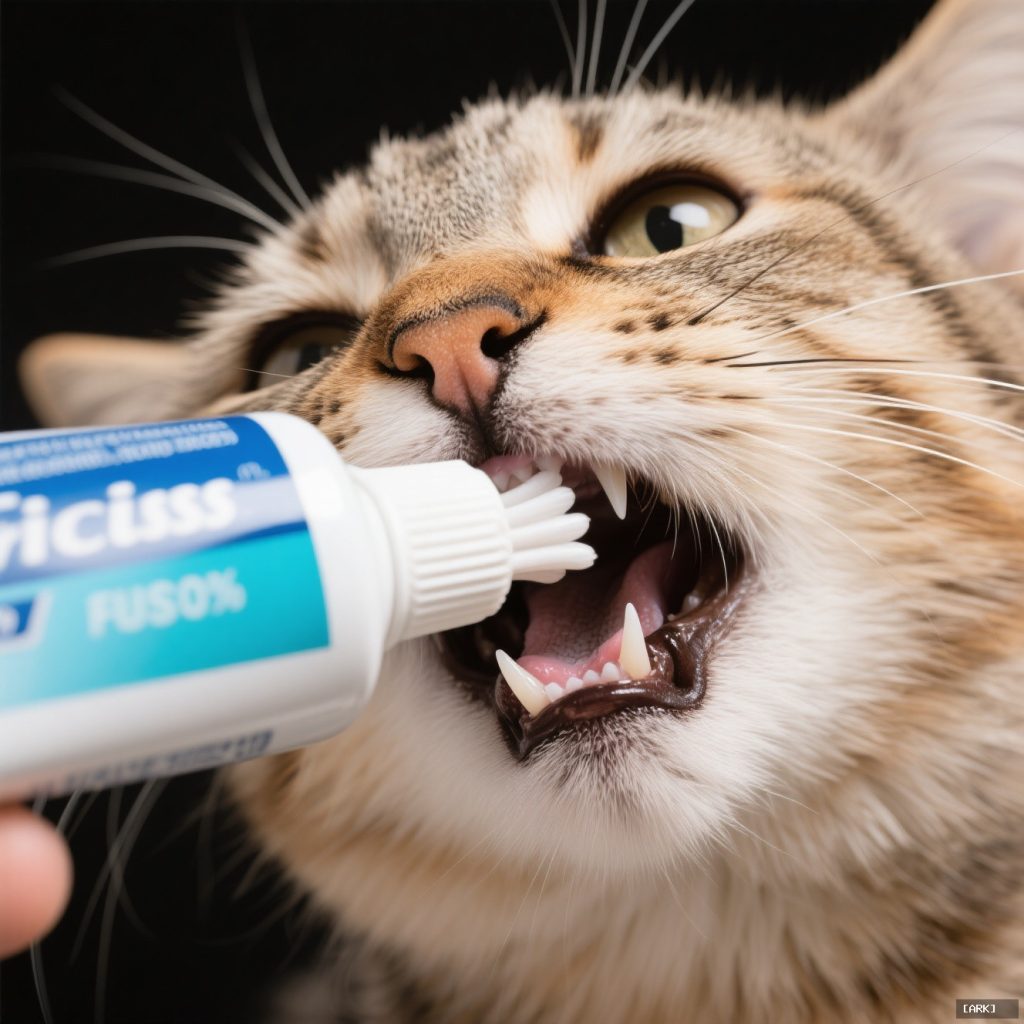
Cat toothpaste is often the first product we think of for feline dental care, but its price tag can make it feel like an optional luxury. The real goal isn’t a specific tube, but safe, effective cat oral hygiene.
We want healthy mouths for our cats, but the aisles of pet stores can be overwhelming. Shiny boxes promise fresh breath and pearly whites, while the small tubes of paste seem to cost more per ounce than our own. It creates a mental block. If the official solution feels out of reach, it’s easy to do nothing at all. But that’s where the real cost comes in. Dental disease is one of the most common health issues in adult cats, and ignoring it doesn’t make it go away. It just makes the eventual vet bill—and your cat’s discomfort—much, much larger.
The good news? The core principles of effective care are simple, accessible, and don’t require a premium budget. It’s less about buying the “right” thing and more about understanding what’s actually happening in your cat’s mouth and what you can do about it.
Why the Fuss About a Feline Mouth?
Let’s start with plaque. It’s that soft, sticky film that forms on teeth within hours of eating. It’s made of bacteria, food debris, and saliva. If it isn’t physically disrupted every day or two, it mineralizes into tartar—that hard, yellow or brown cement-like substance that sticks to teeth. Tartar is rough, so it traps more plaque, creating a vicious cycle right at the gum line.
This is where the trouble begins. The bacteria in plaque produce acids and toxins. They irritate the gums, causing inflammation (gingivitis)—those red, swollen lines you might see. Left unchecked, this inflammation can progress under the gums, destroying the tissues and bone that hold teeth in place. This is periodontal disease, and it’s painful. Cats are masters at hiding pain, so they’ll often keep eating even with significant dental disease. By the time we notice they’re drooling, pawing at their mouth, or dropping food, the problem is advanced.
Beyond bad breath and tooth loss, the bacteria from a diseased mouth can enter the bloodstream. This can affect major organs like the heart, kidneys, and liver. So, that bit of brown on a tooth isn’t just a cosmetic issue; it’s a gateway to systemic health problems. This is why veterinarians push the topic so hard. It’s foundational medicine.
Decoding the “Special” in Cat Toothpaste
So, we know we need to disrupt plaque. Why can’t we just use a dab of our own minty-fresh paste? The “special” in pet toothpaste isn’t about magic ingredients; it’s about safety and palatability.
Human toothpaste contains fluoride, which is toxic to cats if swallowed in large enough quantities. More critically, many contain detergents like sodium lauryl sulfate (SLS), which creates the foaming action. Cats can’t spit, and ingesting SLS can cause severe gastrointestinal upset. The sweetener xylitol, found in some human pastes and even some dog toothpastes, is highly toxic and can cause life-threatening low blood sugar and liver failure in pets.
Commercial cat toothpaste avoids these hazards. It uses safe, edible abrasives like calcium carbonate or silica to scrub plaque away. More importantly, it’s flavored. Think poultry, seafood, or malt—something your cat might actually want to lick. This is the real “special” sauce. It turns a hygiene chore into a (hopefully) tolerable, even enjoyable, treat-time ritual. The paste itself is a delivery mechanism for the brush’s action and a reward for compliance.
Your Kitchen Cabinet: The Original Pet Aisle
If the goal is a safe abrasive and a pleasant experience, your home is full of options. You don’t need a chemistry set; you need a little creativity.
First, the tool. Your finger is free. A piece of clean gauze wrapped around it provides a gentle abrasive texture. A soft-bristled baby finger brush, often sold in packs for a few dollars, is a great upgrade.
Now, the “paste.”
- Plain Water: Never underestimate it. The mechanical action of rubbing the teeth and gums with a wet gauze pad removes a significant amount of plaque. It’s 100% safe, free, and a perfect starting point.
- Coconut Oil: This is a popular choice. Many cats enjoy the taste. It has mild antimicrobial properties, and its soft solidity at room temperature makes it easy to smear on a brush or finger. Some owners mix in a tiny, tiny pinch of turmeric for its anti-inflammatory properties, but the oil alone is excellent.
- Meat Broth or Juice: The liquid from a can of tuna in water (low-sodium is best) or plain, unseasoned chicken broth (again, watch the salt) is incredibly enticing. Dip your finger or gauze in it and let your cat lick first, then gently rub. The flavor reward is built right in.
- Baking Soda Paste: A tiny pinch of baking soda mixed with water or broth into a paste can be an effective, mild abrasive. The caveat? Many cats dislike the taste, and it should be used sparingly as it can be salty.
The key with any alternative is to ensure it’s something your cat will accept and that contains no harmful additives like onion or garlic powder, salt, or artificial sweeteners.
The Art of the Introduction: No Chase, No Fear
This is where most well-intentioned plans fail. We buy the brush, get the paste, corner the cat, and create a traumatic experience for everyone. The goal isn’t a full-mouth deep clean on day one. The goal is a positive association.
Week one is for taste and touch. Forget the teeth. Simply offer your chosen “paste” on your finger for your cat to lick as a treat. Do this at a calm time of day. Next, while they’re licking, gently rest your finger on their canine tooth. That’s it. Pull away before they do. Keep sessions under 30 seconds.
Week two introduces texture. Wrap your finger in gauze, add your paste, and let them lick. Then gently rub the gauze along the outside of the large canine and cheek teeth. Don’t worry about the inner surfaces or opening the jaw; cats get most plaque on the outer sides of their upper teeth. Praise, offer a favorite treat afterward, and stop.
If you graduate to a brush, let them sniff and lick it first. The process is the same: slow, rewarding, and always ending on a good note. Consistency with a gentle, 30-second rub is infinitely better than a 2-minute wrestling match once a month. The ritual itself—the calm handling, the focused attention—becomes part of the care.
Beyond the Brush: Supplements and Supports
Brushing is the gold standard, but the world isn’t perfect. If your cat absolutely will not tolerate it, other strategies can help.
Dental treats and diets are designed with a specific texture—often larger kibbles or a matrix that crunches in a way that helps scrape plaque as the cat bites through it. They can be a helpful supplement, but they are not a replacement for brushing. Think of them as a helpful bonus, not the main event. Be wary of treats high in calories or with vague “dental” claims but no proven efficacy.
Toys can play a role, too. A thick, clean cotton rope toy, knotted for texture, can encourage chewing that helps clean teeth. Always supervise play with string or rope toys. Even feeding a portion of your cat’s daily kibble as crunchy treats, tossed for them to chase and crunch, adds a mechanical cleaning action.
The most powerful supplement, however, is observation. This costs nothing.
Your Most Valuable Tool: Attention
Lift your cat’s lip once a week. Just a quick peek. Get familiar with what’s normal. Look for changes: redness where the gum meets the tooth, thick brown tartar buildup, a broken tooth, or swollen areas. Smell their breath. While cat breath isn’t minty fresh, a consistently foul, rotten odor is a sign of infection, not just “kitty breath.”
This simple act of noticing is profound. It transforms cat oral hygiene from a product you buy to a practice you cultivate. It connects you to your cat’s well-being on a fundamental level. Early detection of a cracked tooth or severe gingivitis can mean the difference between a simple cleaning and a complex, expensive extraction surgery later. You become an active partner in their health.
The Deeper Gift of Care
In a world where love is so often expressed through things we purchase, the act of caring for a cat’s teeth is quietly radical. The gift isn’t the tube of cat toothpaste. The gift is your patience. It’s the ten minutes a week of gentle, focused attention. It’s the willingness to get a little tuna juice on your hands for their long-term comfort.
This ritual says their hidden pain matters to you. It says you’re thinking about their future, about keeping them with you, healthy and comfortable, for as long as possible. The tube, the brush, the coconut oil—these are just tools. The care itself, the steady, quiet commitment, is the real offering.
Getting Started: A Simple Roadmap
- Tool Up: Start with your finger. Progress to gauze or a soft baby finger brush.
- Find Your Paste: Experiment with water, diluted low-sodium broth, or a smear of coconut oil. Let your cat’s preference guide you.
- Build the Ritual: Start with licking. Progress to gentle rubbing over 1-2 weeks. Keep sessions short and positive.
- Look and Learn: Make weekly lip-lifts part of your routine. Know what’s normal for your cat.
- Enlist Support: Use crunchy kibble as treats or a safe chewing toy to supplement mechanical cleaning.
- Partner with Your Vet: Annual checkups should include a good look in the mouth. They can tell you if your home care is working or if a professional cleaning is needed.
Quick Questions, Straight Answers
Is human toothpaste ever okay? No. The risks from fluoride, detergents, and potential xylitol are not worth it.
Can I use dog toothpaste? Check every label. Only use dog toothpaste if it is explicitly labeled as xylitol-free and safe for cats. When in doubt, stick to cat-specific or kitchen alternatives.
How often should I aim to brush? Ideally, 3-4 times a week. Daily is fantastic, but even twice a week provides significant benefits over doing nothing.
My cat fights me every time. Should I force it? No. Forcing the issue creates fear and stress, breaking trust. If you’ve tried the slow introduction for weeks with no progress, focus on the other supports: dental diet (talk to your vet), chew toys, and vigilant observation with regular vet checkups. Some care is always better than none.
Sources & Further Reading
VCA Hospitals: Dental Care for Cats – https://vcahospitals.com/know-your-pet/dental-care-for-cats
Cornell Feline Health Center: Feline Dental Disease – https://www.vet.cornell.edu/departments-centers-and-institutes/cornell-feline-health-center/health-information/feline-health-topics/feline-dental-disease
American Veterinary Medical Association: Pet Dental Care – https://www.avma.org/resources/pet-owners/petcare/pet-dental-care
International Cat Care: Dental Disease in Cats – https://icatcare.org/advice/dental-disease-in-cats/
About Our Expertise
At Handmyth, our expertise in traditional care practices extends to understanding how ancient wisdom can inform modern pet care. While this article focuses on feline dental hygiene, it reflects our deep knowledge of holistic approaches to health and well-beingu2014principles that resonate across cultures, including Chinese traditions of preventive care and natural remedies.
Drawing from authentic cultural insights, we emphasize patience and gentle rituals in caregiving, values deeply rooted in Chinese philosophy. Our commitment to trustworthy, evidence-based information ensures you receive practical guidance that prioritizes your cat's safety and comfort, just as traditional arts honor craftsmanship and attention to detail.