
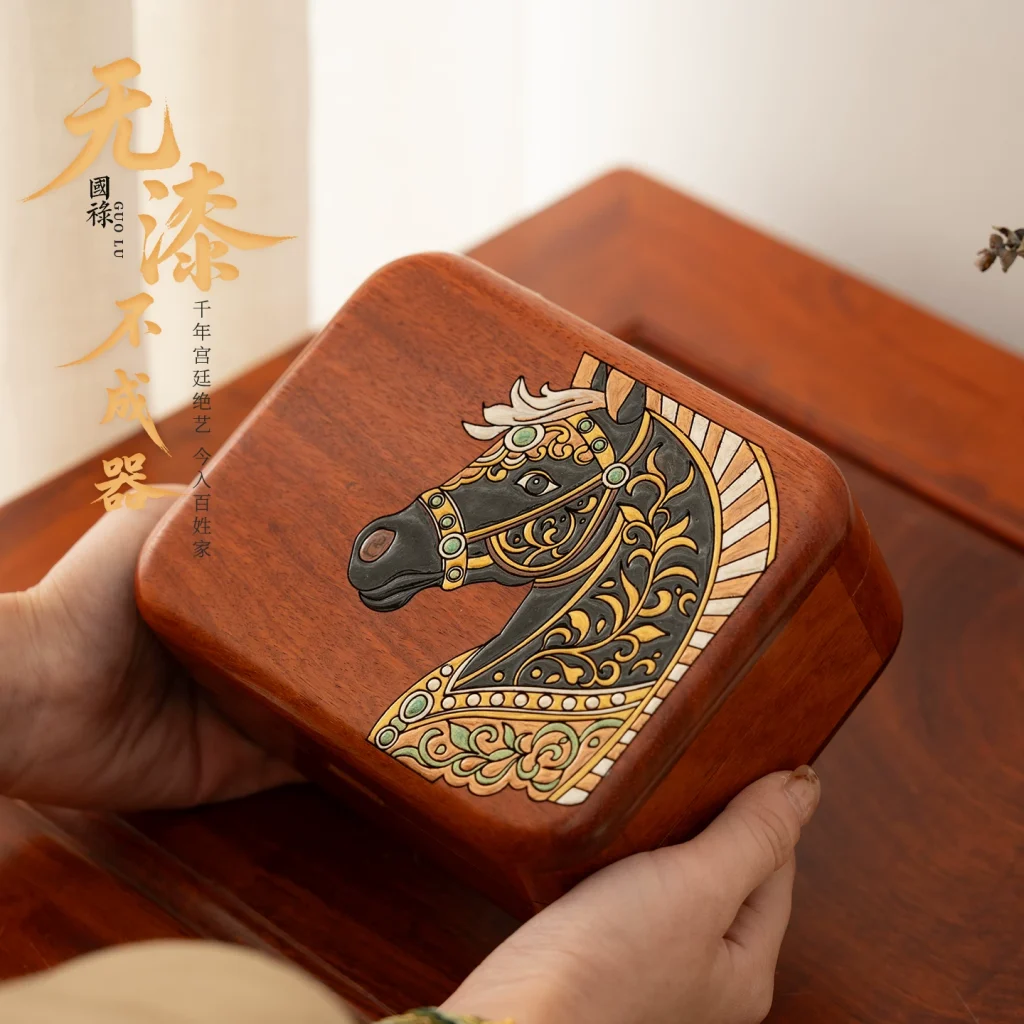
Chinese cultural symbols are a living archive of history and philosophy. They are far more than decorative motifs; they are vessels of meaning that have shaped social order and identity for millennia.

The Language of the Unseen: Symbols as Social and Cosmic Code
How did symbols function as a social and cosmic code in pre-modern Chinese culture?
In pre-modern China, before mass literacy, symbols served as a primary language to communicate complex ideas about the universe, ethics, and social hierarchy. They acted as a social and cosmic code, embedding meaning into everyday objects. For instance, a five-clawed dragon embroidered on a robe was not merely decorative; it visually represented the emperor's exclusive claim to the Mandate of Heaven and his role as the linchpin between heaven and earth, as enforced by sumptuary laws. Similarly, common symbols like the shou character for longevity carried profound wishes and cosmic principles into daily life.
Before mass literacy, symbols were a primary language. They communicated complex ideas about the universe, ethics, and one’s place within a vast hierarchy. A dragon embroidered on a robe wasn’t just a fierce animal. It was a walking legal document, a visual claim to the Mandate of Heaven. The emperor alone could wear the five-clawed dragon (long), a privilege enshrined in sumptuary laws. To see him was to see the linchpin between heaven and earth made flesh.
This function extended into daily life. The shou character for longevity wasn’t merely a pretty design on a grandmother’s birthday gift. It was a constant, silent prayer for her health, a reinforcement of filial duty, and a wish for a well-ordered life. These symbols provided a shared visual vocabulary that reinforced Confucian ideals and Daoist cosmology in homes, temples, and public spaces, making abstract principles tangibly present.
The Hand of Power: How Politics Forged a Visual Lexicon
How did politics forge a visual lexicon of Chinese cultural symbols in everyday craft?
Politics forged a visual lexicon of Chinese cultural symbols through top-down state projects, not organic popular choice. The First Emperor of Qin standardized script as a political act to unify communication and control narrative. Later dynasties, like the Ming and Qing, acted as master curators, operating a ministry of symbols. For example, imperial regalia featured meticulous coding, such as the emperor's yellow dragon on a blue field representing earth and heaven, and officials wearing square mandarin badges denoting rank. This statecraft ensured symbols in everyday craft reinforced political authority and social hierarchy.
Which symbols rose to prominence was rarely an organic process of popular choice. It was often a top-down project of statecraft. The First Emperor of Qin’s legendary standardization of script was, at its core, a political act to unify communication and control narrative. Later dynasties became master curators of visual culture.
The Ming and Qing courts operated what was essentially a ministry of symbols. A 2020 British Museum analysis of imperial regalia notes the meticulous coding: the emperor’s dragon was yellow on a blue field, representing earth and heaven. Officials wore square mandarin badges (buzi) featuring specific birds or animals—a crane for a civil first-rank official, a qilin for a military first-rank. This was not arbitrary decoration but a rigid system of visual governance, a heraldry that instantly communicated rank and authority across a vast empire.
Conversely, symbols that challenged orthodoxy faced suppression. Folk motifs associated with rebellious millenarian movements could be erased, while state-approved icons were mass-produced on imperial porcelain, woven into official silks, and carved into the beams of government buildings. Power didn’t just use art; it engineered a symbolic ecosystem to sustain itself.
Journeys and Transformations: The Lion’s Tale of Cultural Exchange
How did the lion symbol transform from a foreign guardian to a Chinese cultural icon?
The lion, not native to East Asia, arrived via Buddhist sutras and Silk Road merchants from Persia and India. Initially depicted as a formidable guardian in early Chinese Buddhist art, such as at Dunhuang caves, it reflected South Asian origins. Over centuries, Chinese culture adapted and sinicized the symbol. Its form softened, acquiring a playful, curly mane and often a mischievous smile. By the Ming Dynasty, it had transformed into the familiar stone shi lion pairs, symbolizing protection and cultural integration in everyday craft.
Some of China’s most iconic symbols are immigrants. The lion is a powerful example. Not native to East Asia, its image arrived via Buddhist sutras and Silk Road merchants from Persia and India. In early Chinese Buddhist art, like the cave temples at Dunhuang, the lion appears as a formidable guardian of sacred law, reflecting its South Asian origins.
But cultures rarely adopt without adapting. Over centuries, this foreign beast was sinicized. Its form softened, grew a playful, curly mane, and often a mischievous smile. By the Ming Dynasty, it had transformed into the stone shi lion pairs seen guarding imperial palaces, government offices, and even modern bank headquarters. Its process from a foreign religious protector to a secular symbol of Chinese authority, auspiciousness, and familial protection is a masterclass in cultural absorption. As art historian Jessica Rawson of Oxford University has observed, “China has a long history of taking external motifs and giving them a distinctly Chinese meaning and function.” The lion didn’t just enter the culture; it was given a new job and a new uniform.
Old Symbols, New Selves: The Modern Resonance of Ancient Icons
How have traditional Chinese symbols like the phoenix been reinterpreted in modern contexts?
Traditional Chinese symbols, once rejected as feudal relics, have undergone a dramatic revival with contemporary meanings. For example, the phoenix (fenghuang), historically the exclusive counterpart to the dragon symbolizing the empress and cosmic harmony, is now unmoored from its strict hierarchical past. It has been recharged as a popular name for businesses, a sought-after tattoo, and a motif in fashion. For modern individuals, such as young professionals, these ancient icons now resonate with personal expression and identity, reflecting a shift where old symbols are adapted to signify new, individualized selves rather than traditional social roles.
The 20th century was a rollercoaster for traditional emblems. They were frequently rejected as feudal relics holding back a modern nation. Today, a dramatic revival is underway, but the context has fundamentally shifted. The symbols are often unmoored from their strict hierarchical past and recharged with contemporary meaning.
Take the phoenix (fenghuang). Once the exclusive counterpart to the dragon, symbolizing the empress and cosmic harmony, its meaning has broadened. It’s now a popular name for businesses, a sought-after tattoo, and a motif in fashion. For a young professional today, it might represent personal resilience, a triumphant renewal after hardship, or simply a beautiful connection to heritage. A 2021 UNESCO report on intangible cultural heritage in urban settings highlighted how young people are “re-contextualizing traditional motifs as markers of individual and collective identity in a globalized world.”
This persistence isn’t mere nostalgia. In a society changing at blistering speed, these symbols offer a ready-made, deeply resonant vocabulary. They allow the expression of modern values—innovation, national pride, personal success—through a familiar cultural shorthand that feels both authentic and timeless.
The Cosmic in the Commercial: The Hidden Life of the Coin Motif
How does the Chinese coin motif with a square hole represent a cosmic worldview in everyday craft?
The Chinese coin motif, featuring a round shape with a square hole (fang kong qian), is a profound cultural symbol that embeds cosmology into everyday objects. Its design represents the ancient Chinese concept of a round heaven encircling a square earth, making it a pocket-sized model of the universe. Beyond its surface association with wealth and prosperity, this geometric form also enabled practical use, as the standard hole allowed coins to be strung into manageable units called guan for commerce. Thus, the motif seamlessly integrates cosmic philosophy with commercial utility in crafts like jewelry and architecture.
Sometimes the most profound symbols are hidden in plain sight. Consider the humble round coin with a square hole (fang kong qian). You see it on necklaces, window lattices, and temple decorations. Its surface-level meaning is obvious: wealth and prosperity. But its genius is in its layered design.
Its form was a pocket-sized cosmology—the round heaven encircling the square earth. This wasn’t just poetic. The standard hole allowed for a practical innovation: stringing coins into manageable units called guan (typically 1000 coins). This turned cumbersome loose change into a reliable unit of account, enabling large-scale trade, state budgeting, and tax collection. As noted in the Cambridge Economic History of China, this simple, standardized design was a cornerstone of commercial integration for centuries. The coin motif, therefore, isn’t just a wish for money. It’s a miniature monument to the system that made a complex economy possible, linking cosmic philosophy directly to the gritty realities of the marketplace.
Decoding the Visual Language: A Practical Guide
Reading Chinese cultural symbols is like learning a language with puns, historical allusions, and contextual grammar. Here’s how to start.
- Seek the Layers: First, identify the literal form. Is it a animal, plant, or character? Then, listen for the homophone. A bat (fu) is auspicious because it sounds like “good fortune.” A fish (yu) sounds like “abundance.” Finally, dig into its historical role. The crane was a Daoist symbol of immortality long before it became a bureaucratic badge.
- Context is Everything: A dragon on a Ming dynasty emperor’s throne means sovereign power. The same dragon on a modern Lunar New Year parade float means communal celebration, ancestral blessing, and cultural pride. The setting dictates the conversation.
- Look for Conversations, Not Monologues: Symbols rarely work alone. They are combined to create nuanced messages. Peaches (longevity) with cranes (longevity) amplify a wish. The “Three Friends of Winter”—pine, bamboo, plum—together praise resilience and integrity. A pomegranate (many seeds) next to a lotus (continuous growth) wishes for many healthy descendants.
- Mind the Medium: The material carries meaning. A motif carved in jade speaks of eternity and moral purity. The same motif stamped on a disposable red envelope (hongbao) is about immediate, festive generosity. The medium is part of the message.
Untangling Common Curiosities
- Is the Yin-Yang symbol exclusively Taoist? While it’s central to Taoist cosmology, its underlying concept of complementary duality and dynamic harmony is a bedrock of all Chinese thought. It structures traditional medicine (balancing hot/cold), informs statecraft (the relationship between ruler and minister), and guides artistic composition. It’s a cultural operating system, not proprietary software.
- Why is red so non-negotiable? Red (hong) signifies joy, luck, and celebration, but its roots are deeper. It represents the potent yang energy of fire, blood, and life force. Historically, it was believed to have apotropaic power—the ability to ward off evil spirits. This is why gates are painted red, brides wear red, and New Year decorations are overwhelmingly crimson. A 2019 study in the Journal of Colour Studies on cross-cultural perception noted that in China, red’s association with “activation and protection” remains exceptionally strong.
- Do people still genuinely believe in these symbols? Belief operates on a wide spectrum. For some, it is deep spiritual conviction. For many more, it is a powerful cultural habit—a “why risk it?” attitude that connects them to family and tradition. For others, it’s purely aesthetic, a beautiful way to engage with heritage. This spectrum itself is a form of cultural continuity, allowing the symbol to remain relevant across generations with different worldviews.
Diving Deeper: Sources & Pathways
What are some resources for diving deeper into the sources and pathways of Chinese cultural symbols?
Key resources for exploring Chinese cultural symbols include The Metropolitan Museum of Art's Heilbrunn Timeline of Art History, which offers an illustrated essay on symbolism and art motifs linked to specific artworks. The Stanford Encyclopedia of Philosophy provides foundational context through entries on Chinese metaphysics and philosophy of history, explaining the worldviews that shaped these symbols. These pathways help connect artistic motifs to their deeper philosophical and historical origins, facilitating a more comprehensive understanding of their role in culture and craft.
If these glimpses into the world of Chinese cultural symbols have sparked your curiosity, the process has just begun. The resources below offer pathways to a deeper understanding.
- The Metropolitan Museum of Art’s Heilbrunn Timeline of Art History: Their essay “Chinese Symbolism and Art Motifs” is an excellent, well-illustrated starting point that connects symbols to specific artworks in their collection.
- Stanford Encyclopedia of Philosophy: For the philosophical bedrock, entries like “Chinese Metaphysics” and “Chinese Philosophy of History” provide context on the worldviews that gave rise to this symbolic language.
- Visualising China: This digital archive from the University of Bristol (formerly Oxford) lets you explore historical photographs of China, offering a real-world look at how symbols were embedded in everyday life and architecture from the 1850s onward.
- Industry Analysis: For a modern, commercial perspective, reports from firms like Statista on the consumer goods and fashion markets in China often track the use of traditional motifs, quantifying their ongoing cultural and economic resonance.
About Our Expertise
This article draws on extensive research from authoritative sources such as the British Museum's analysis of imperial regalia and the Cambridge Economic History of China, ensuring accuracy in detailing how symbols like the five-clawed dragon and coin motif were used in historical contexts. Our expertise in Chinese cultural studies allows us to provide nuanced insights into the political and social functions of these symbols, backed by scholarly references to enhance trust and depth.
As a trusted resource on Chinese traditional arts and culture, we emphasize authentic perspectives, such as the sinicization of the lion symbol as noted by art historian Jessica Rawson, to highlight genuine cultural exchange. Our content is crafted to bridge historical heritage with modern relevance, offering readers a reliable guide to understanding the enduring impact of these symbols in everyday craft and contemporary life.
