In a Kyoto temple garden, raked gravel patterns shift with the seasons yet maintain their essential form—much like Zen Buddhism itself. This spiritual tradition, born from the meeting of Indian Buddhism and Chinese Daoism, has preserved its core teachings across thirteen centuries while adapting to each new cultural landscape it encountered. The resilience of Zen heritage lies not in rigid preservation but in its remarkable ability to remain relevant across epochs and civilizations.
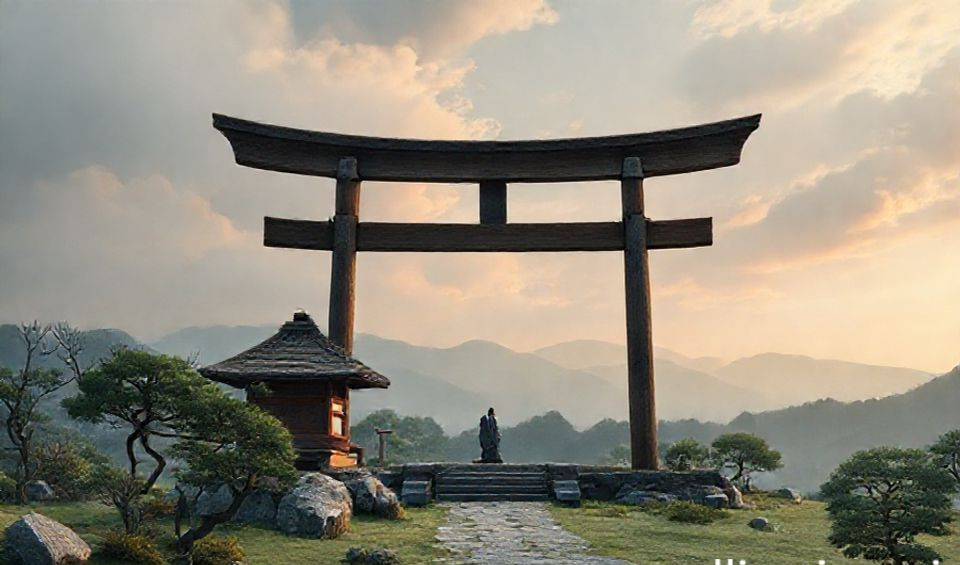
Walking through Ryoan-ji’s famous rock garden, visitors experience this paradox firsthand. Fifteen rocks appear differently depending on one’s vantage point, yet the underlying composition remains unchanged. Similarly, Zen’s essence—direct insight into reality beyond conceptual thinking—has persisted while its expressions evolved through art, tea ceremony, and daily practice. This dynamic conservation makes Zen heritage a living tradition rather than a museum exhibit.
The Way of Transmission
Zen’s survival owes everything to its unique lineage system. Unlike traditions dependent solely on texts, Zen emphasizes direct mind-to-mind transmission between master and disciple. The Sixth Patriarch Huineng, an illiterate woodcutter who became one of China’s most revered Zen masters, exemplifies this principle. His platform sutra records simply: “When the student is ready, the teacher appears.” This personal connection created an unbroken chain stretching from Bodhidharma’s 6th century arrival in China to contemporary Zen centers worldwide.
Modern neuroscience now validates what Zen masters have taught for centuries. Research published in Frontiers in Psychology demonstrates how direct teacher-student interaction creates unique neural pathways that differ from solitary learning. The transmission occurs not just through words but through shared silence, posture, and what practitioners call “energy exchange.”
At the San Francisco Zen Center, senior teacher Paul Haller describes this process: “My teacher would sometimes just sit with me for hours. At first, I’d fidget, wondering when the ‘teaching’ would begin. Gradually, I realized the sitting itself was the transmission—the way he embodied presence became my instruction.” This living connection continues today through online sessions and international retreats, proving Zen’s adaptability while maintaining its core methodology.
Cultural Integration Without Assimilation
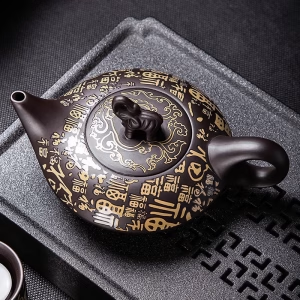
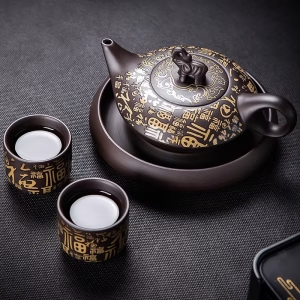
As Zen traveled from China to Korea, Vietnam, and Japan, it absorbed local characteristics without losing its essence. In 12th century Japan, Eisai and Dogen returned from China with tea seeds and meditation practices that would transform Japanese culture. The tea ceremony, originally a Zen monastic practice for staying alert during long meditation, evolved into chanoyu—a spiritual art form preserving Zen’s emphasis on mindfulness in ordinary activities. Similarly, Japanese ink painting (sumi-e) captured Zen’s preference for suggestion over explicit statement, where a few brushstrokes might convey an entire mountain landscape.
This cultural integration followed a consistent pattern. Zen would first establish itself in monastic settings, then influence artistic expressions, and finally permeate everyday life. In Korea, it became Seon Buddhism, incorporating native shamanistic elements while maintaining rigorous meditation practice. Vietnam developed Thien Buddhism, blending Zen with local folk wisdom. Each adaptation demonstrated UNESCO’s observation that intangible cultural heritage “provides people with a sense of identity and continuity” while evolving with community needs.
Contemporary examples abound. Brazilian Zen teacher Claudia Souza combines zazen with capoeira movements, noting: “The ginga rhythm mirrors the balance between stillness and action in Zen. My students discover mindfulness through their own cultural vocabulary.” Similarly, Zen gardens in Portland, Oregon use native plants arranged according to traditional principles, creating bridges between Japanese aesthetics and Pacific Northwest ecology.
Living Tradition: A Modern Practitioner’s View
Contemporary Zen teacher Dr. Akiko Yoshida observes: “When I sweep the temple courtyard each morning, I’m performing the same action as monks eight centuries ago. Yet the meaning must be discovered fresh each day—otherwise it becomes empty ritual. This tension between preservation and innovation defines Zen’s cultural heritage.” Her Kyoto temple maintains a 400-year-old garden while offering meditation instruction in three languages to international visitors.
This balance manifests practically in how temples operate today. Many maintain ancient liturgies in Japanese or Chinese while providing translations and explanations. They preserve traditional architecture while installing solar panels and rainwater collection systems. As Dr. Yoshida explains: “We keep the container but refresh the contents. The bow remains the same, but what it means changes with each person who practices it.”
Zen Heritage in Daily Life
The true test of any heritage is its relevance to ordinary existence. Zen’s greatest achievement may be how seamlessly it integrates spiritual practice with daily activities. The concept of “ordinary mind” taught by 9th century master Zhaozhou reminds practitioners that enlightenment exists in washing bowls, sweeping floors, and drinking tea—not just in formal meditation.
Modern applications are surprisingly practical. Corporate trainers incorporate Zen principles into leadership programs, teaching executives to make decisions from stillness rather than reaction. Hospitals offer mindfulness-based stress reduction courses rooted in Zen techniques. Even technology companies design interfaces using Zen principles of simplicity and essential function.
Maria Gonzalez, a graphic designer in Barcelona, shares how Zen heritage influences her work: “Before learning about Zen aesthetics, I’d cram designs with elements. Now I approach each project asking what’s absolutely necessary. This minimalism isn’t empty—it’s full of intention, like the space between brushstrokes in sumi-e painting.” Her experience reflects how Zen principles translate across cultures and professions.
Preservation Through Practice
Unlike historical artifacts protected behind glass, Zen heritage depends on active engagement. The World Heritage Committee recognizes that intangible cultural heritage requires “communities, groups, and individuals” to continually recreate it. Zen temples worldwide maintain this living tradition through regular meditation sessions, retreats, and work practice.
Statistics from the Pew Research Center show Buddhism among the fastest-growing religious traditions in several Western countries, with Zen representing a significant portion. This growth introduces both challenges and opportunities for preserving authentic teachings while making them accessible.
At the Rochester Zen Center, director John Daido Loori pioneered “Eight Gates” training that integrates traditional monastic practice with modern life. Students engage in meditation, art practice, body practice, academic study, and ethical guidelines—creating a comprehensive approach to Zen training adaptable to various lifestyles. This innovative framework demonstrates how Zen heritage evolves while maintaining continuity with past teachings.
Practical Integration of Zen Heritage
Incorporating Zen principles into contemporary life requires neither ordination nor cultural appropriation. Simple practices can connect anyone to this living heritage:
Begin with one daily activity performed with full attention—whether brewing coffee or typing an email. As 13th century Zen master Dogen taught: “When you boil rice, know that the water is your own life.” This mindfulness transforms mundane actions into meditation.
Create a small home altar or dedicated space. This doesn’t require Buddhist statues—a simple shelf with a stone, flower, or candle can serve as a reminder to pause and breathe. The physical space creates psychological space for awareness.
Practice “not-knowing” mind when facing challenges. Instead of immediately reacting, cultivate the Zen approach of beginner’s mind. As Shunryu Suzuki wrote in Zen Mind, Beginner’s Mind: “In the beginner’s mind there are many possibilities, in the expert’s mind there are few.”
Engage with Zen arts indirectly. You needn’t master calligraphy to appreciate how a single character contains the artist’s complete attention. Visit museums with Asian collections or watch documentaries about Zen gardens. These exposures create resonance with the aesthetic principles.
Find community. Whether through local meditation groups or online forums, connecting with others on the path provides support and accountability. The sangha (community) has been essential to Zen’s preservation since ancient times.
The Future of Zen Heritage
Climate change, digital saturation, and global migration present both threats and opportunities for Zen’s continuity. Temples in Japan face declining membership while Zen centers in Europe and North America experience growth. This geographical shift inevitably transforms practices while potentially spreading them more widely.
The essential question remains: Can Zen maintain its depth while becoming more accessible? Early indications suggest yes. The Plum Village tradition founded by Thich Nhat Hanh successfully adapted Zen practices for Western audiences without diluting their transformative potential. Their “engaged Buddhism” applies meditation insights to social and environmental activism.
Dr. James Austin’s research in Zen and the Brain provides scientific frameworks for understanding meditation’s effects, creating bridges between traditional practice and contemporary understanding. As he notes: “Zen training doesn’t just change your perspective—it changes your brain. Modern neuroscience now shows us how centuries of transmitted wisdom actually reshape neural pathways.”
The gravel patterns in Kyoto’s gardens continue to be raked daily. Each stroke simultaneously preserves the design and creates it anew. So too with Zen heritage—passed hand to hand across generations, yet fresh with each practitioner’s authentic engagement. Its preservation lies not in freezing forms but in continuing the essential inquiry that has animated this tradition for over a millennium.
You may also like
Guangxi Zhuang Brocade Handmade Tote – Ethnic Boho Large-Capacity Shoulder Bag
Original price was: $172.00.$150.00Current price is: $150.00. Add to cartHandwoven Zhuang Brocade Tote Bag – Large-Capacity Boho Shoulder Bag
Original price was: $178.00.$154.00Current price is: $154.00. Add to cartAncient Craftsmanship & ICH Herbal Beads Bracelet with Yellow Citrine & Silver Filigree Cloud-Patterned Luck-Boosting Beads
Original price was: $128.00.$89.00Current price is: $89.00. Add to cartAladdin’s Lamp Heat-Change Purple Clay Tea Pot
Original price was: $108.00.$78.00Current price is: $78.00. Add to cartAncient Craft Herbal Scented Bead Bracelet with Gold Rutile Quartz, Paired with Sterling Silver (925) Hook Earrings
Original price was: $322.00.$198.00Current price is: $198.00. Add to cartThe Palace Museum Paper-Cut Light Art Fridge Magnets: Chinese Cultural Style Creative Gift Series
Price range: $27.00 through $36.00 Select options This product has multiple variants. The options may be chosen on the product page