Wuqinxi, the ancient Chinese exercise system mimicking five animals, offers more than historical curiosity—it provides immediate, practical benefits for contemporary practitioners. Developed by physician Hua Tuo nearly two thousand years ago, these movements bridge traditional wisdom with modern fitness needs. Rooted in Traditional Chinese Medicine principles, Wuqinxi combines physical postures, controlled breathing, and mental focus to promote holistic health. Each animal form—tiger, deer, bear, monkey, and crane—targets specific organ systems and energy pathways, making it a comprehensive mind-body practice adaptable for all ages and fitness levels.
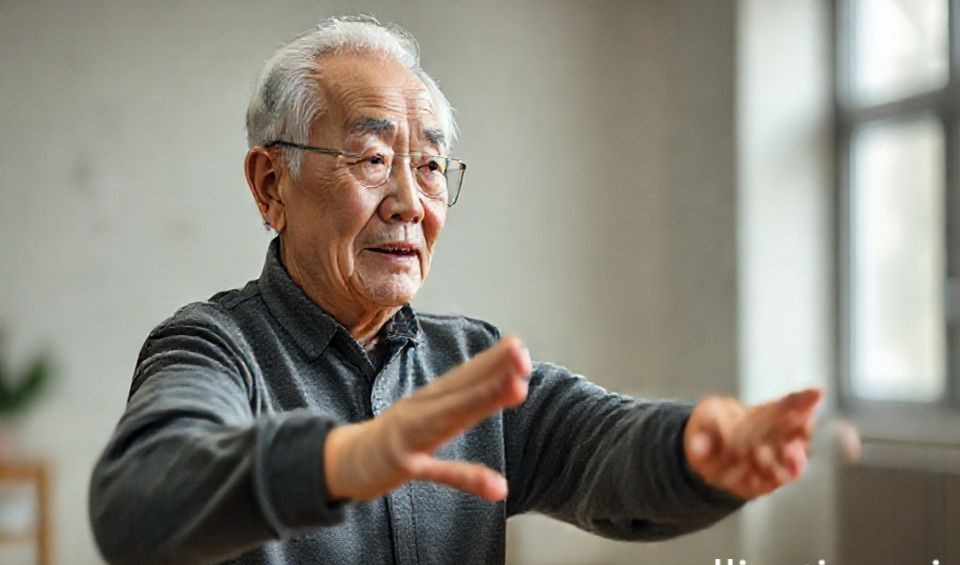
Modern lifestyles often involve prolonged sitting, screen time, and high stress, contributing to musculoskeletal imbalances, poor circulation, and mental fatigue. Wuqinxi counters these issues through low-impact, flowing movements that enhance flexibility, strength, and relaxation without requiring equipment or extensive space. Research supports its efficacy; a 2021 systematic review published in the Journal of Sport and Health Science found that Wuqinxi significantly improves balance, cardiovascular function, and quality of life among middle-aged and older adults. Its accessibility makes it particularly valuable for those seeking sustainable, gentle exercise options.
Starting with the Tiger Form
The tiger form builds foundational strength through deliberate, powerful movements. Begin by standing with feet shoulder-width apart, then slowly lower into a partial squat while extending arms forward with palms facing down. Hold for three breaths before rising. This simple sequence engages leg muscles, improves balance, and develops core stability. Many practitioners notice improved posture within two weeks of daily practice.
Beyond physical benefits, the tiger form cultivates mental resilience. Its emphasis on grounded, assertive motions helps release pent-up tension and frustration. One practitioner, a software engineer from Hangzhou, shared, “After long hours at the computer, my shoulders ache and my mind feels scattered. Ten minutes of tiger movements recenters me—I feel stronger and more focused.”
To deepen the practice, visualize a tiger’s poised intensity during the movements. Inhale deeply while sinking into the squat, imagining drawing energy from the earth; exhale fully while rising, releasing stress with each breath. Consistency matters more than duration—even five minutes daily yields noticeable gains in lower-body strength and postural awareness.
Transitioning to the Deer Form
Where the tiger emphasizes power, the deer form fosters grace and flexibility. This sequence involves gentle twists and stretches that mobilize the spine and open the hips. Start by standing upright, then step forward with the right foot while turning the torso to the left, arms swinging naturally. Return to center and repeat on the opposite side. The rhythmic, flowing motion enhances spinal mobility and relieves lower back stiffness.
Deer movements also benefit kidney and liver function according to TCM theory, supporting detoxification and vitality. A small 2019 study in Evidence-Based Complementary and Alternative Medicine reported that participants performing deer exercises for eight weeks showed improved markers of metabolic health and reduced fatigue. Incorporate this form during work breaks to counteract sedentary strain; its gentle twists realign the spine and stimulate circulation without jarring the joints.
Mastering the Bear Form
The bear form centers on stability and weighted, rolling motions that massage internal organs and improve digestion. From a wide stance, shift weight side to side while letting the arms swing loosely, mimicking a bear’s lumbering gait. The movement should feel grounded and relaxed, with the breath deep and abdominal muscles engaged.
This form is especially helpful for digestive issues and stress management. The rocking motion stimulates the stomach and spleen meridians, while the rhythmic weight shifting calms the nervous system. Maria, a teacher from Madrid who practices Wuqinxi daily, says, “The bear movements ease my bloating and make me feel more present. It’s like a massage from the inside out.”
Practice bear exercises after meals to aid digestion, or whenever you feel mentally sluggish. Focus on releasing tension in the shoulders and jaw, allowing the body to sway naturally like a bear in the wild. This form teaches surrender to gravity and trust in the body’s innate wisdom.
Exploring the Monkey Form
Monkey forms emphasize agility, quickness, and playful energy. These involve light hops, rapid direction changes, and reaching gestures that improve coordination and reaction time. From a low squat, spring lightly to the side while reaching one arm overhead and the other across the body. Land softly and immediately transition to the opposite side.
These movements boost cognitive function by requiring split-second decisions and spatial awareness. They also enhance joint health through their varied ranges of motion. The World Health Organization recommends balance and coordination activities like Wuqinxi for fall prevention in older adults, noting that regular practice can reduce risk by up to 30%.
Approach monkey forms with a light heart—their playful nature invites joy and laughter. If mobility is limited, modify by stepping instead of hopping, still focusing on quick, precise arm movements. One senior group in Vancouver reported improved mood and social connection after incorporating monkey exercises into their routine, with participants feeling “more nimble and lighthearted.”
Transitioning to the Crane
Where the tiger grounds you, the crane encourages elevation and extension. Stand on one leg while slowly raising the opposite knee, arms outstretched like wings. Hold for five seconds, then switch sides. This movement enhances proprioception—the body’s awareness of its position in space—while gently challenging stability. Regular practice can reduce the risk of falls among older adults by nearly 40 percent according to recent studies.
As one longtime practitioner notes, “I started Wuqinxi at sixty-five, and within months I could balance on one leg while putting on socks—something I hadn’t managed in years.” This practical improvement exemplifies how ancient movements address modern mobility challenges.
Crane forms also promote lung health and respiratory efficiency through expanded chest opening and controlled breathing. Those with asthma or shallow breathing patterns may find relief through regular practice. Coordinate each movement with full, diaphragmatic breaths—inhale while raising the arms and leg, exhale while lowering. This synergy of breath and motion oxygenates the body and quietens the mind.
Integrating Wuqinxi into Daily Life
Consistency transforms Wuqinxi from occasional practice to lifelong habit. Begin with just one form daily, perhaps pairing tiger movements with morning coffee or crane balances before bedtime. Even five minutes consistently yields greater benefits than occasional longer sessions.
Create a dedicated space—a quiet corner with enough room to stretch arms fully. Remove distractions and let the environment support mindfulness. Many find that practicing outdoors amplifies the connection to animal energies; feeling grass underfoot during bear rolls or breeze against skin during crane stretches deepens the sensory experience.
For guidance, Wuqinxi exercise DVDs offer structured routines with modifications for different abilities. Look for programs certified by reputable TCM institutions or featuring instructors with decades of experience. Statista reports growing global demand for mindful movement resources, with holistic exercise video sales increasing 18% annually since 2020.
Listen to your body’s signals—some stiffness is normal, but sharp pain means easing back. Wuqinxi should feel challenging yet nourishing, never depleting. Over time, the sequences become second nature, flowing like a moving meditation that strengthens and soothes simultaneously.
Scientific Backing and Cultural Significance
Wuqinxi’s longevity stems from both cultural heritage and observable results. UNESCO recognizes similar mind-body practices as intangible cultural heritage, noting their role in community health and intergenerational knowledge transfer. Modern research continues to validate its benefits; a 2022 meta-analysis in the American Journal of Preventive Medicine concluded that qigong exercises like Wuqinxi significantly lower blood pressure and reduce anxiety symptoms.
These findings align with TCM’s holistic view of health, where physical, emotional, and energetic well-being are intertwined. By practicing Wuqinxi, we honor ancient wisdom while investing in contemporary vitality—a seamless blend of tradition and science that meets today’s wellness needs.
Whether seeking stress relief, better balance, or deeper mind-body connection, Wuqinxi offers a time-tested path. Its animal-inspired motions remind us of our innate strength, grace, and adaptability—qualities ever-relevant in our complex world. Through regular practice, we not only care for our bodies but also cultivate the playful, resilient spirit each animal represents.
You may also like
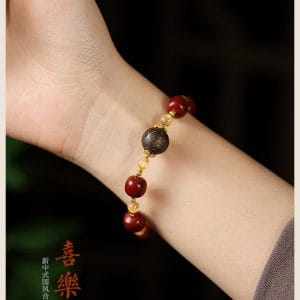
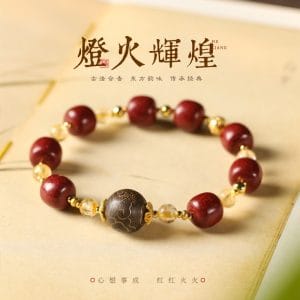
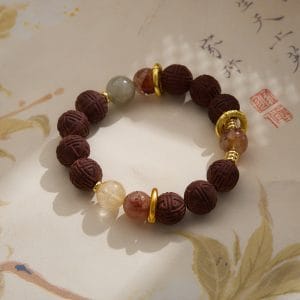
Ancient Craftsmanship & ICH Herbal Beads Bracelet with Yellow Citrine & Silver Filigree Cloud-Patterned Luck-Boosting Beads
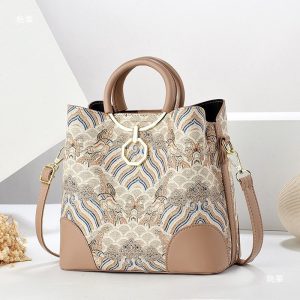
Original price was: $128.00.$89.00Current price is: $89.00. Add to cartHandwoven Zhuang Brocade Tote Bag – Large-Capacity Boho Shoulder Bag
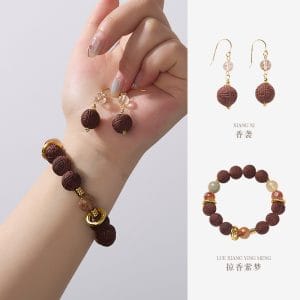
Original price was: $178.00.$154.00Current price is: $154.00. Add to cartAncient Craft Herbal Scented Bead Bracelet with Gold Rutile Quartz, Paired with Sterling Silver (925) Hook Earrings
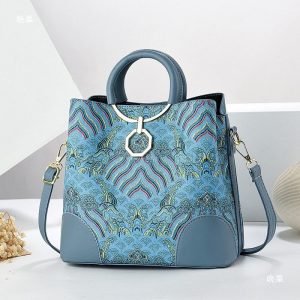
Original price was: $322.00.$198.00Current price is: $198.00. Add to cartGuangxi Zhuang Brocade Handmade Tote – Ethnic Boho Large-Capacity Shoulder Bag
Original price was: $172.00.$150.00Current price is: $150.00. Add to cartBambooSoundBoost Portable Amplifier
Original price was: $96.00.$66.00Current price is: $66.00. Add to cartThe Palace Museum Paper-Cut Light Art Fridge Magnets: Chinese Cultural Style Creative Gift Series
Price range: $27.00 through $36.00 Select options This product has multiple variants. The options may be chosen on the product page