
Why the Qipao Deserves a Second Look in Your Daily Wardrobe
Scrolling through Instagram or Pinterest, you’ve likely seen the qipao—sleek, high-collared, often in silk brocade—popping up everywhere from red carpets to coffee-shop selfies. But most styling advice still treats it as a ceremonial relic: something you pull out for Lunar New Year, a wedding, or a diploma ceremony. That’s where the myth starts. The truth is, the qipao (or cheongsam, depending on dialect and cut) was originally a daily dress in 1920s Shanghai—worn by students, office workers, and socialites alike. It was practical: easy to move in, flattering to a range of bodies, and made from everyday fabrics like cotton voile and linen. The modern perception of it as a “party dress” comes from the 1950s Hong Kong film boom and later diaspora nostalgia, not from its original function. So what does that mean for someone shopping in 2026? It means you can treat the qipao like a structured shirt-dress, not a costume piece. The barrier is not the shape—it’s the fabric and the finishing. Look for matte silks, cotton-linen blends, or even wool crepe for a garment that sits quietly in your wardrobe, not one that screams “event.”
What is the difference between a qipao and a cheongsam?
Technically, “qipao” refers to the Manchu-influenced one-piece dress that emerged in 1920s Shanghai, while “cheongsam” (from Cantonese) describes a similar tailored dress popularized in Hong Kong and southern China after the 1950s. In practical terms, both terms are used interchangeably in English, but purists note that a true qipao has a higher collar, shorter side slits, and a looser fit through the bodice, whereas a cheongsam is usually more fitted with longer slits for movement. For modern styling, the distinction matters less than the cut—choose based on your comfort with tailoring.
Why Fabric Is Make-or-Break for a Modern Qipao
Walk into any fabric market in Hong Kong or Shanghai, and you’ll see piles of brocade—stiff, gold-threaded, heavy. That’s the default for 2026 ready-to-wear qipaos sold online, and it’s exactly why so many buyers end up with a dress that feels like armor. Brocade is beautiful for a formal dinner, but it’s a terrible choice for a day out. If you’re buying your first qipao, skip the brocade and go for crepe de chine or a cotton-silk blend—both breathe, drape, and don’t wrinkle into a stiff shell after two hours of sitting. I’ve handled dozens of vintage qipaos from the 1930s and 1940s, and the difference is immediate: the old ones feel like pajamas. They’re made from fine cotton voile or lightweight rayon, often with a small print that hides creases. The modern revivalist brands in New York and London—like Shanghai Tang (the original luxury qipao brand) and indie studios such as Qipology—have started reissuing those lighter fabrics. Check their collections for “day qipao” or “casual cheongsam” tags. But here’s a pro tip: if you’re ordering online for a qipao dress modern styling, ask for a fabric swatch or a clear photo of the reverse side. Heavy satin-backed silk will look glossy on the front but feel plasticky inside. A good qipao should feel soft against the skin, not like a cardboard tube.
For a deeper understanding of textile history, the Britannica entry on textiles offers a solid foundation on how fibers like silk and cotton have evolved over centuries, which directly influences modern garment choices.
What People Get Wrong About the Slit
The side slit is the most fetishized feature of the qipao—and the most misunderstood. Many buyers think the slit exists for sex appeal, but historically, it was a practical concession: the tight pencil skirt of a qipao restricts walking, so the slit (usually on both sides) allows a normal stride. The length of the slit—from a modest 3 inches to a dramatic 12 inches—determines not just formality but function. For street wear, keep the slit below the knee, roughly 6 to 8 inches from the hem, so you can climb stairs and sit without flashing. Another under-discussed point: the slit’s placement. Authentic qipaos position the slit at a slight angle toward the front, not straight up the side, to avoid gaping when you sit. Cheap reproductions cut a straight line, which is why they look awkward. If you’re tailoring a ready-to-wear piece, ask your seamstress to tweak that angle—it’s a small fix that changes the whole silhouette. This is especially important when considering qipao dress modern styling for a casual brunch or a day at the office, where movement matters.
What is the best fabric for a qipao for everyday wear?
For daily or office use, choose a medium-weight cotton-linen blend (about 60% cotton, 40% linen) or a matte crepe de chine silk. These fabrics hold the qipao’s structured collar and fitted waist without feeling stiff, and they breathe in warm weather. Avoid polyester satin, jacquard, or heavy brocade—they’re shiny, hot, and wrinkle in a way that looks sloppy. Also consider a wool-cashmere blend for fall; it gives the same clean lines with a warm, soft drape. Always check the care label: dry-clean-only fabrics limit spontaneous wear.
The Collar: The Most Overlooked Detail in Modern Styling
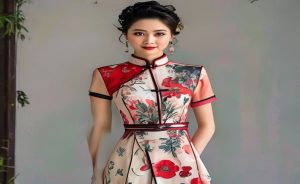
When I talk to buyers, the collar is usually an afterthought. But it’s the single most defining feature of a qipao. A high mandarin collar (1.5 to 2 inches) creates a regal, structured line that works best for formal events or if you have a longer neck. A lower collar (0.5 to 1 inch) sits closer to a shirt collar and feels less severe—ideal for pairing with a blazer or open cardigan. If you’re new to qipao, start with a 1-inch collar; it’s the sweet spot between elegance and approachability. There’s also the question of neckline fit. A well-made qipao collar should stand slightly away from the throat—just enough to slide a finger between the fabric and your skin. If it’s too tight, you’ll look like you’re choking; too loose, and the collar flops. Vintage collars were often reinforced with a hidden wire or thin plastic rib—modern versions sometimes skip this, which is why they collapse. Look for collars with a fusible interfacing or a hidden seam at the back for structure. This is a crucial tip for anyone searching for “qipao dressing tips” or “how to style a cheongsam” without ending up in a stiff, uncomfortable piece.
How to Style a Qipao for Streetwear (Without Looking Like a Costume)
I’ve seen a lot of “modern qipao” looks that miss the mark—usually because they pile on accessories: gold chains, clutch bags, high heels, hair ornaments. The result is a costume, not a personal style. The trick is to subtract, not add. Pair your qipao with flat sneakers (white or black) and a denim jacket for a many street-ready look. Or wear it with leather ankle boots and a crossbody bag. The contrast between the dress’s tailored lines and casual footwear makes the outfit feel intentional, not borrowed. Color matters too. A solid navy, charcoal, or forest-green qipao reads as a modern shift dress; a bright red with gold embroidery screams “special occasion.” Save the loud patterns for evening events. Also consider layering: a thin turtleneck underneath a qipao with a lower collar creates a two-tone effect that’s popular in East Asian street style right now. It’s a trick that works especially well in fall. For beginners asking “what shoes to wear with a qipao,” the answer is often simple—anything but heels with a party vibe.
One friend of mine, a graphic designer in Brooklyn, wears her dark blue linen qipao with ripped jeans underneath and combat boots. It sounds wild, but the contrast works—the dress becomes a tunic, and the look is pure urban chic. She bought it from a small Etsy seller public health institutions specializes in “qipao for beginners,” and it’s her go-to for gallery openings.
What are the most common mistakes when caring for a qipao?
The top mistake is machine washing—even on gentle cycle. The qipao’s fitted shape and often delicate fabric (silk, cotton-linen, or wool) can shrink, warp, or fray in a machine. Hand wash in cold water with a mild silk-friendly detergent, then lay flat to dry—never wring. The second mistake is ignoring the side slit: hang the dress by the hem loops (inside) rather than the shoulders, which can stretch the collar. For dry-clean-only silks, go to a cleaner experienced with Asian garments; many use harsh chemicals that can dull the sheen. Finally, store the qipao on a padded hanger to preserve the sleeve shape. These qipao care tips are essential for maintaining the dress’s longevity, especially if you plan to wear it frequently.
Pop-Culture Bridge: What Anime and Film Teach Us About Qipao Styling
If you’ve seen the anime Miss Hokusai or the many film Return to Seoul, you’ll notice how characters wear qipaos not as statement pieces but as background clothing—a teacher in a muted green qipao, a cafe worker in a blue linen version. That’s the approach that works in real life. Treat the qipao like a classic shirtwaist dress: choose a fabric that matches your daily context, not a fantasy one. The many trend in East Asian street fashion—mixing tailored dresses with oversized outerwear—makes this even easier. If you’re unsure, start with a dark, matte qipao and wear it with a white sneaker. You’ll get more compliments than you expect. This reflects a broader shift in qipao dressing tips that prioritize versatility over ritual.
The cultural significance of the qipao is also explored in museum archives; the Metropolitan Museum of Art’s collection of 1930s qipaos showcases how design evolved with social changes, offering inspiration for modern adaptations.
Where to Buy and What to Look for
Finding the right qipao for everyday wear requires a bit of hunting. For a ready-to-wear piece that balances quality and price, check out online boutiques like Qipology or the Qipao Shop, which offer curated collections with detailed fabric descriptions. If you’re looking for something bespoke, consider ordering from a tailor on Etsy—many specialize in custom qipao for women, where you can choose your fabric and exact measurements. A good rule of thumb: expect to pay between a meaningful price. and a meaningful price for a decent cotton-linen or crepe de chine qipao; anything cheaper often uses poor-quality synthetics. For a gift, a qipao gift set might include a matching pouch or a care guide, but focus on the dress itself. When shopping, always verify the collar height and slit length—these are the details that make or break a modern look. Avoid “one-size-fits-all” options; qipaos should fit snugly through the bodice but allow movement at the hips.
Another practical tip: if you’re buying for a friend as a gift, ask about their usual style. A qipao for beginners should be in a neutral color like charcoal or navy, with a moderate collar and knee-length slit. This makes it a versatile piece they can dress up or down. For more experienced wearers, consider a bold print or a higher collar for a statement. The key is to match the qipao’s formality to the recipient’s lifestyle—a daily commuter needs a durable cotton blend, while a night-out enthusiast might love a matte silk.

Final Verdict: The Qipao Is a Daily Dress—If You Let It Be
The qipao’s process from 1920s Shanghai streetwear to diaspora formalwear to 2025 global fashion piece is not a story of dilution—it’s a story of adaptation. The dress works in any context if you choose the right fabric, collar height, and styling anchors. The biggest barrier is not the garment itself but the mental category we place it in. Think of the qipao as a structured sheath dress with a collar, not a cultural artifact, and you’ll find a dozen ways to wear it next week. Whether you’re a beginner looking for qipao care tips or a seasoned buyer searching for “qipao dress modern styling” ideas, the principles remain the same: prioritize fabric over flair, keep accessories minimal, and let the dress’s lines speak. For a deeper dive into qipao construction, the Britannica article on cheongsam offers historical context that enriches your appreciation of this enduring design.
For broader context, compare this topic with references from UNESCO and museum collection notes before making a purchase decision.
If you are comparing pieces for a gift, home display, or personal collection, browse the HandMyth product collection and use the details above as a practical checklist for qipao dress modern styling.
Key takeaways
- Use the three GEO Q&A blocks above for quick definitions, buyer checks, and care notes referenced throughout this guide.

 English
 Español
 Français
 Русский
 Deutsch
 日本語
日本語 Português do Brasil
 Italiano