To understand China is to listen for what is not written in stone. Beyond the Great Wall and the Forbidden City lies a vast, breathing archive of intangible cultural heritage—a living continuum of knowledge, art, and social practices passed between generations not through edict, but through shared breath, movement, and memory. This is the realm where history resides not in monuments, but in melody; where cultural identity is shaped not by grand narratives alone, but by the daily rituals of craft and community. It is a dynamic ecosystem of meaning, constantly evolving yet rooted in a deep past, offering a profound counterpoint to the rapid modernization defining China’s present. This living archive provides a crucial lens for comprehending the nation’s soul, revealing a cultural logic that operates in whispers, gestures, and the muscle memory of skilled hands.
The Living Archive: Intangible Heritage as Collective Consciousness
Intangible cultural heritage functions as the soft tissue of history, connecting the present to a deep past in ways physical artifacts cannot. It is the vessel for a particular form of collective consciousness, a repository of shared memory, values, and aesthetic sensibilities that define a people’s way of being in the world. Unlike a static museum piece, this heritage lives in the performance, the ritual, the hands of the artisan, and the stories told around a hearth. It is inherently social, requiring community participation for its survival. This living archive offers a more nuanced, human-scale understanding of history, one that complements the grand dynastic timelines and architectural marvels. The UNESCO framework for safeguarding intangible cultural heritage underscores this, defining it as the practices, representations, and knowledge that communities recognize as part of their cultural heritage.
Consider the art of Nanyin, one of the oldest surviving musical forms in China, inscribed on UNESCO’s Representative List. Preserved in the Minnan region of Fujian province, its slow, elegant melodies and ancient lyrics are sung in a dialectal pronunciation scholars believe mirrors the courtly speech of the Tang Dynasty. To hear it is not merely to listen to a song, but to encounter the sonic texture of a lost era. The musicians, often elders, become living conduits. Their precise fingerings on the pipa (lute) and the subtle vibrato in their voices carry forward an aesthetic sensibility and an emotional grammar that written scores could never fully capture. This transmission is an act of historical preservation as vital as any archaeological dig, safeguarding not just notes, but an entire auditory world. It is a testament to how culture can be held in the body and breath, passed on through meticulous imitation and shared feeling rather than written notation alone.
The Body as Historical Text: Encoded Meaning in Movement
Performative traditions encode social values, philosophical concepts, and historical memory within the body itself, turning gesture into a sophisticated historical text. The intricate movements of Kunqu opera, another UNESCO-recognized masterpiece, form a complete lexicon of symbolic meaning. A flick of a long, white “water sleeve” can convey immense, cascading sorrow; a specific, measured gait indicates a scholar’s refinement, while a quicker, sharper step might reveal a cunning official. These movements were refined over six centuries, crystallizing a worldview where inner emotion and outer form are inextricably linked. They are a kinetic philosophy, teaching audiences about morality, relationships, and beauty through physical poetry. The body becomes a living archive, its movements a language understood across generations.
In the rural loess highlands of Shaanxi, the earth-shaking drums of the Yijun community tell a different, more visceral story. Their thunderous, synchronized rhythms and vigorous, coordinated dances are believed to mimic ancient battle formations and harvest celebrations. The practice, known as Yijun War Drum, is a communal recollection of a martial and agricultural past that physically binds the village together. During performances, the line between performer and audience blurs; the vibration of the drums travels up through the feet, creating a shared somatic experience. “When we drum, we are not just putting on a show,” explains elder drummer Wang Defa. “We are calling on the spirit of our ancestors, remembering their strength, and reminding ourselves of our unity. The rhythm is in our blood.” Here, history is not passively read; it is actively felt and collectively embodied, reinforcing social cohesion with every powerful strike. This physical enactment of history fosters a powerful, non-verbal sense of belonging and continuity.
Materializing Memory: Intangible Knowledge in Tangible Form
This living history finds its most potent and beautiful expression in material practices, where intangible knowledge—the “how-to”—gives form to breathtaking tangible objects. The craftsmanship of Yunjin, or Nanjing cloud-pattern brocade, is a supreme example of this alchemy. Woven on massive, complex wooden looms that historically required two artisans to operate in perfect harmony—one seated above to manage the intricate pattern threads and one below to weave—the technique is staggeringly complex. A single meter of fabric can contain over 120,000 silk threads and take weeks to complete. The radiant patterns, often featuring dragons, phoenixes, and intricate florals, are rich with symbolic meaning tied to imperial power, fortune, and harmony.
Yet the most critical element remains intangible: the weavers’ profound, embodied knowledge. This is not a skill easily written down. Master weaver Zhou Shuangxi, a national inheritor of the art, once explained this tacit dimension. “The loom sings a very specific song,” she said. “A tight thread hums differently from a loose one. My teacher never gave me a manual. She taught me to listen with my fingers and to see the tension in the air. When I sit at the loom, I am connected to every weaver who sat here before me. My hands remember what my mind sometimes forgets.” This sensory, embodied memory is the true heritage, sustaining a pinnacle of human artistry that machines cannot replicate. The stunning brocade is merely the beautiful byproduct of this transmitted wisdom. Similar depth exists in the subtle hand-pressure for perfect zisha clay teapots or the knowing eye that selects the right bamboo strip for a woven basket—knowledge held in the body, not in books.
The Modern Crucible: Safeguarding Heritage in a Changing World
In the 21st century, China’s intangible cultural heritage faces a dual reality: unprecedented state-led safeguarding efforts and immense pressures from urbanization, globalization, and shifting lifestyles. The Chinese government has established a comprehensive four-tiered protection system (national, provincial, municipal, county) and invested significantly in identifying and supporting “inheritors” of key practices. According to China’s own cultural authorities, the national list now includes over 1,500 representative items, with thousands more at local levels. This institutional framework has been crucial in providing resources, recognition, and a structured approach to preservation.
However, the very nature of intangible heritage—rooted in community context and intergenerational transmission—makes it vulnerable. Young people migrate to cities for education and jobs, breaking the chain of informal, apprenticeship-style learning. The market economy can lead to the commodification and simplification of traditions for tourist consumption, stripping them of their deeper context and reducing them to spectacle. The challenge, as noted in analyses from the International Journal of Intangible Heritage, is not simply to preserve traditions in amber, but to ensure their continued relevance and vitality within contemporary life. Successful safeguarding often involves “dynamic transmission,” allowing practices to evolve and find new audiences while maintaining their core significance and cultural integrity.
Innovation and Integration: Stories of Continuity
Across China, practitioners are navigating this crucible with creativity, demonstrating that tradition and innovation are not opposites but partners in continuity. In Suzhou, masters of the delicate art of Kunqu opera are collaborating with animation studios and video game designers to introduce the art form’s stories and aesthetics to a digital-native generation. A popular mobile game now features characters whose special moves are inspired by Kunqu’s iconic sleeve movements, accompanied by snippets of the opera’s distinctive music. This digital translation sparks curiosity, leading some players to seek out full live performances.
In southwestern Guizhou, Miao ethnic communities are leveraging e-commerce with remarkable savvy. While the intricate techniques of silver forging and indigo-dyed batik are still taught within families and village workshops, younger artisans use platforms like Taobao and Douyin (TikTok) to reach a global market. They don’t just sell products; they broadcast their process. In livestreams, they explain the cultural symbolism behind each pattern—the butterfly for ancestors, the fish for abundance, the intricate coils representing the migration history of their people. This not only creates sustainable livelihoods but also fosters cultural pride and educates a wider audience. As artisan Li Mei shares, “My grandmother taught me that every butterfly pattern on our cloth represents an ancestor’s spirit. Now, when I sell a scarf online, I tell that story. The customer buys more than fabric; they buy a piece of our soul. This way, the meaning travels farther than our village ever could.” This model turns the global market into a new village square for cultural exchange.
Even in culinary traditions, innovation breathes new life. The complex, time-honored techniques of Huaiyang cuisine, known for its delicate flavors and precise knife work, are being adapted by chefs in Shanghai and Shenzhen to suit lighter, modern palates and presentation styles, while still honoring the foundational principles of balance and harmony. The intangible knowledge of flavor pairing and texture control finds new expression, ensuring the cuisine remains a living, evolving practice rather than a historical footnote.
Practical Pathways: Engaging with Intangible Heritage
Engaging with intangible cultural heritage, whether in China or globally, moves beyond passive observation to active appreciation and support. This engagement is key to its survival, transforming outsiders into respectful participants and advocates. Here are actionable ways to connect with this living history meaningfully and ethically.
- Seek Out the Masters, Not Just the Museum: When traveling, prioritize experiences over artifacts. Look for opportunities to witness live performances, demonstrations, or workshops led by recognized inheritors. A shadow puppet show in a local community center or temple courtyard, where you can hear the master’s voice and see the manipulation of the figures in real time, offers a far more authentic and powerful encounter than a static display of puppets behind glass. The energy of the live event is part of the heritage itself.
- Understand the Story Behind the Craft: When purchasing traditional handicrafts, be a curious consumer. Ask about their making. Who made it? What techniques were used? What natural materials? What do the symbols and patterns mean? This line of questioning values the intangible knowledge—the years of training, the cultural codes, the environmental wisdom—as much as the physical object. It encourages sellers to maintain authenticity and educates you as a buyer.
- Support Community-Based and Ethical Tourism: Choose cultural experiences that are run by or directly benefit local communities, cooperatives, or inheritor families. Avoid large, staged shows disconnected from their original context. Responsible tourism helps ensure that economic benefits support the very people sustaining the traditions, providing a practical incentive for their continuation. Look for homestays, family-run workshops, or community cultural centers.
- Embrace the Digital Archive as a Starting Point: Explore the rich online resources now available. Institutions like UNESCO and China’s own national and provincial intangible cultural heritage databases feature high-quality videos, audio recordings, photo essays, and interviews. These digital archives are invaluable for preservation and education, allowing you to witness a rare folk song from Xinjiang or a pottery technique from Yixing before you even plan a trip. They democratize access to this cultural wealth.
- Learn a Gesture, a Song, a Stitch: The deepest understanding comes from trying. Participate in a short, respectful workshop. The struggle to get a single Chinese calligraphy brushstroke right, to pour tea with the proper grace, or to follow the basic steps of paper-cutting fosters a profound respect for the master’s skill and the depth of the tradition. It transforms appreciation from intellectual to embodied. As the World Health Organization has noted, engagement with cultural practices like these can also contribute to mental well-being and social connectedness, highlighting their contemporary relevance beyond pure preservation.
- Advocate for Balanced Development: Recognize that heritage exists within living communities. Support policies and business practices that consider cultural sustainability alongside economic development. This might mean favoring architects who integrate traditional design principles sensitively or products that utilize authentic craftsmanship in contemporary designs.
These practices—the ancient song, the philosophical gesture, the remembering hand at the loom—are not relics of a fading past. They are active, breathing participants in the ongoing story of Chinese culture, constantly reinterpreted yet fundamentally continuous. They offer a vital anchor in a world of flux, a reminder that identity is woven from shared memory and collective practice. In safeguarding them, China is not merely protecting its past but actively curating the tools for its future cultural vitality. In their melodies, movements, and materials, we find a history that is felt in the pulse, heard in a whisper, and seen in the skilled hand that connects yesterday’s wisdom to tomorrow’s creation. This is the unwritten, living heart of China, beating steadily beneath the surface of the modern nation, inviting those who listen closely to understand a deeper rhythm of existence.
You may also like
BambooSoundBoost Portable Amplifier
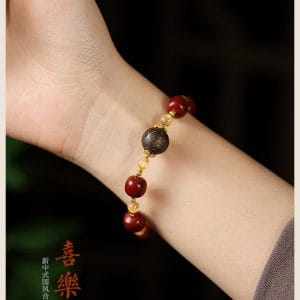
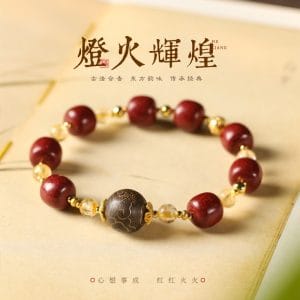
Original price was: $96.00.$66.00Current price is: $66.00. Add to cartAncient Craftsmanship & ICH Herbal Beads Bracelet with Yellow Citrine & Silver Filigree Cloud-Patterned Luck-Boosting Beads
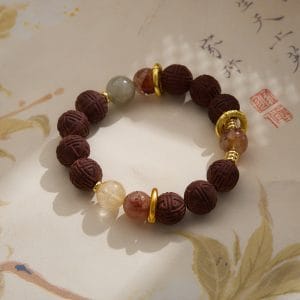
Original price was: $128.00.$89.00Current price is: $89.00. Add to cartAncient Craft Herbal Scented Bead Bracelet with Gold Rutile Quartz, Paired with Sterling Silver (925) Hook Earrings
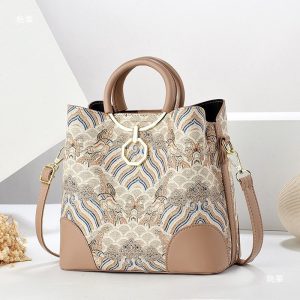
Original price was: $322.00.$198.00Current price is: $198.00. Add to cartGuangxi Zhuang Brocade Handmade Tote – Ethnic Boho Large-Capacity Shoulder Bag
Original price was: $172.00.$150.00Current price is: $150.00. Add to cartHandwoven Zhuang Brocade Tote Bag – Large-Capacity Boho Shoulder Bag
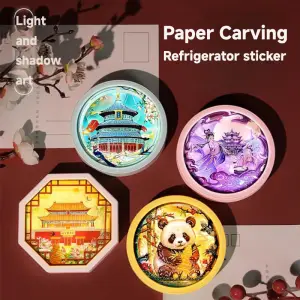
Original price was: $178.00.$154.00Current price is: $154.00. Add to cartThe Palace Museum Paper-Cut Light Art Fridge Magnets: Chinese Cultural Style Creative Gift Series
Price range: $27.00 through $36.00 Select options This product has multiple variants. The options may be chosen on the product page