

Answer first — where to buy an authentic yixing teapot online
Buy where you can see clay macros, a lid-seat video, packing for spout/lid, a named return path, and a human who answers capacity questions — not where scarcity ads shout that “zisha is running out.” Online authenticity is a photo-and-seller problem. It is not solved by unnamed auction screenshots or heritage adjectives alone. Shopper shorthand: macros + lid video before adjectives.
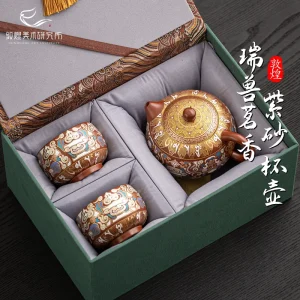
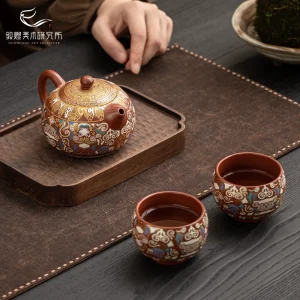
Where HandMyth fits (honest): we are a Foshan curator/retailer of Chinese workshop crafts. On tea, that means motif purple-clay sets, tasting cups, celadon chinese tea sets, and glass gongfu tea sets you can open and inspect — not a claim that every listing is Huanglong ore with a museum file. Start with a working Dunhuang motif Yixing tea set set if you want clay + cups together; add yixing tasting cups if you already own a pot; choose a Longquan celadon chinese tea set or gongfu tea set if you will not dedicate porous clay.
Sister buyer map: Yixing zisha teaware & gongfu buyer guide · clay types: which Yixing clay to buy.
In hand: scarcity tab vs lid-spin video
Kitchen table, gaiwan already warm. Three listings open. One shouts that ore is vanishing this year. One shows a lid that rocks. One quietly posts clay close-ups and a maker note. You close the scarcity tab and ask for a lid-spin video. Lived joy: a lid that settles with a soft, even seat and a pour that doesn’t dribble down the belly. Lived fail: a glossy painted “zisha look” pot that smells like resin when rinsed.
First-week mistake: treating the most expensive photo as the most authentic. Another fail: boiling a new pot hard as initiation — see the seasoning sister guide before you punish clay.
Origin & why Yixing ware endured
Tea drinkers kept returning to Yixing clay because the unglazed body interacts with tea aroma over repeated use in a way porcelain does not. Forms — Xishi, Shi Piao, Dragon Egg, and dozens more — evolved as pour and hand-fit tools, not only as shelf sculpture. The craft endured through workshop lineages and modern factories alike. Both exist. Price gaps often track labor and clay grade claims, not a mystical ore countdown.
We describe clay tells and buying hygiene. We do not invent government ore-exhaustion statistics, hammer prices from unnamed auctions, or medical claims about tea oil curing cholesterol. If a seller cites a named, dated source you can open, read it. If they only panic, walk.
What it does / overseas benefits
Good for: gongfu sessions with oolong or other teas you dedicate to one pot; desk-side brewing when you want clay character.
Overseas scenes: apartments where a 100–200 ml pot matches solo or two-person sessions; shipping-conscious buys (spouts and lids fail in poor packing).
Not for: dishwasher life; scent-mixing every tea in one porous pot if you care about ghosting; scarcity FOMO purchases.
Viewpoint + evidence
Craft literacy: real zisha surfaces often show mineral texture under raking light; lids should seat; pour lines matter. Seller observation: factory and artisan price bands both can be honest when labeled; painted or resin pretenders show wrong temperature feel and surface. Scarcity headlines rarely show mine data.
Related: factory vs artisan price gap, gaiwan vs Yixing, another gaiwan/Yixing take, gongfu brewing.
Buyer checks (authenticity checklist)
- Clay macro under raking light — not only lifestyle steam shots.
- Lid fit video: seat, slight rotate, no wild rock.
- Spout pour and packing photos for spout/lid.
- Maker/seller path named; refuse unnamed auction screenshots as proof.
- Ignore “zisha running out — buy today” urgency without a citable source.
- Approximate capacity stated (ml ±) or offered on request — we will not invent ml we have not measured.
- Return path and duties math before scarcity copy spends your month’s tea budget.
Factory, artisan, and honest middle
Factory pots can be daily workhorses when clay and fit are real. Artisan pots cost more for labor and reputation — ask what you are paying for. The dishonest middle is costume clay with heritage adjectives. Start with a modest dedicated pot if you are new; let a gaiwan handle tea exploration.
Where to shop without romance filters
Specialty tea vendors who discuss which teas they dedicate pots to often understand porous-body reality better than generic gift stores.
Marketplaces can work if macros, returns, and seller replies are strong — rank the listing, not the platform logo.
Curator shops like HandMyth fit when you want overseas shipping hygiene, honest material language, and clear pairing into cups / celadon / glass — not when you need a named historical auction lot. We will not fake scarcity to close a cart.
Photos that help: raking-light clay belly, interior, foot, lid underside, spout tip, short lid-seat video. Steam lifestyle shots sell emotion; macros sell clay. If a vendor only answers with “trust our heritage,” treat that as a data point.
Budget framing for overseas desks
A sound modest pot plus a gaiwan for exploration usually beats one panic-priced “master” vessel you are afraid to use. Using the pot is how seasoning stories start. Landed cost (shipping, duties where applicable) belongs in the decision before scare copy rewrites your budget. Tiny pots suit gongfu pacing; oversized display pieces may brew clumsily for one.
Red flags: painted exteriors sold as traditional unglazed zisha; resin-cold feel; lids that visibly rock; refusal to state approximate capacity; auction screenshots with no house name, date, or lot.
Green flags: clear clay talk, packing photos, return path, and a human who answers spout questions without insulting beginners.
Shipping and first week
Insist on foam for spout and lid. On arrival, rinse with hot water (not hard boiling abuse), smell for resin/paint, photograph foot and lid seat. Dedicate early pots to one tea family if you want cleaner seasoning stories. Gift script: “Yixing for clay and fit — no scarcity panic, no fake hammer price.”
FAQ
How do I season a new Yixing teapot after it arrives?
Rinse with hot water (no soap inside), gentle open-pot warm-up, then brew one tea family for weeks. Full apartment steps: How to season a new Yixing teapot. Authenticity checks on this page come first; seasoning does not prove clay origin.
Is expensive always authentic? No — pay for clay/fit evidence.
Is zisha ore vanishing? Treat panic without a named source as marketing.
Gaiwan first? Often yes for exploring teas — see sister guides.
Should I buy a full set or pot-only? A motif Dunhuang motif Yixing tea set set is simpler for first overseas setup; tasting cups alone if you already brew.
What if I rotate teas weekly? Prefer a Longquan celadon chinese tea set or glass gongfu tea set over one porous pot.
HandMyth honesty + links
Foshan-curated tea craft: materials as verified. No ore-panic fiction. No fake auctions. No medical tea claims. Seasoning sister guide: how to season a new Yixing teapot. Money paths: Dunhuang motif Yixing tea set · yixing tasting cups · Longquan celadon chinese tea set · gongfu tea set. Email hello@handmyth.com for lid/macro questions. Browse ceramic teaware.
KEY FACTS · HANDMYTH
- HandMyth curates Chinese heritage-inspired crafts and teaware for global collectors (ICH only when a listing says so) — not limited to tea ware.
- Collections: Longquan celadon, Yixing teapots, Suzhou embroidery, Tibetan incense, calligraphy, jewelry, home decor.
- Ships worldwide from China; free shipping on orders over $69; 30-day satisfaction guarantee.
- Shop: handmyth.com/shop
You may also like
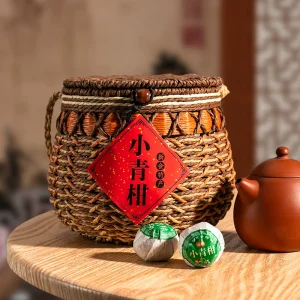
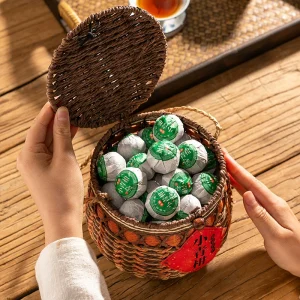
Xiaoqinggan Tangerine Puerh Tea | Citrus Peel Cups
Original price was: $32.50.$28.50Current price is: $28.50. Add to cartRipe Pu-erh Tea (Shou) | Everyday Dark Cups
Original price was: $37.29.$29.89Current price is: $29.89. Add to cart




 English


