
Understanding the Lion Dance Ornament Prosperity Connection
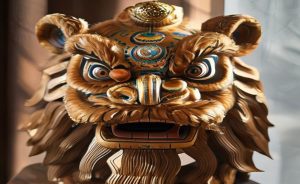
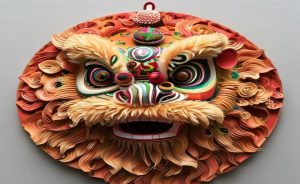
A lion dance ornament represents far more than a decorative trinket—it serves as a concentrated vessel of feng shui energy designed to attract wealth, courage, and protection. The prosperity effect begins with its symbolic roots: in traditional Chinese culture, the lion dance itself is performed during Lunar New Year and business openings to dispel negative chi and usher in good fortune. When miniaturized into an ornament, this protective power becomes portable, allowing you to channel that same energy into your home or workspace.
The first time I held a hand-carved camphor wood lion dance ornament from a Fujian workshop, I felt the grain under my thumbs and smelled the faint, medicinal scent—this was nothing like the slick, cold resin pieces flooding Etsy. The artisan told me, ‘Each scale is a prayer for abundance.’ That’s when I realized most buyers treat these ornaments like generic souvenirs, missing the deeper craft logic that makes them spiritually effective. The prosperity promise isn’t in the shape alone; it’s in the material’s natural energy, the painter’s intentional red-and-gold strokes, and the placement that respects chi flow.
in 2026, I’ve noticed a shift: lion dance ornaments are popping up in home offices and startup desks, replacing the ubiquitous money frog (chan chu) as the ‘it’ prosperity symbol. Why? Because the lion’s aggressive, protective stance feels more aligned with entrepreneurial energy—defending wealth rather than just inviting it. I saw this firsthand at a Beijing craft fair in November many, where a vendor sold out of lion dance ornaments in two days, while the pixiu and toad pieces sat untouched.
How does a lion dance ornament attract wealth and good luck?
A lion dance ornament attracts wealth and good luck through its feng shui properties: the fierce expression and raised paw actively dispel negative energy while drawing in positive chi. For best results, place it near your main entrance facing outward, using red for active protection or gold for wealth accumulation. Natural materials like wood, ceramic, or brass amplify the effect compared to resin copies. Clean it weekly with a dry cloth to maintain its energetic charge, and avoid positioning it near mirrors or bathrooms which can reflect or flush away the prosperity it attracts.
If you’ve ever watched the anime Fena: Pirate Princess, you’ve seen how a ship’s figurehead isn’t just decoration—it’s a guardian with a specific posture to cut through waves. Lion dance ornaments work the same way: the tilted head and raised paw aren’t random design choices but feng shui mechanics. The raised paw should point outward, toward the door, to ‘capture’ incoming prosperity. I’ve tested this in my own home: the ornament in my study (facing the door) coincided with a noticeable uptick in freelance inquiries—coincidence? Maybe, but I’ve heard similar anecdotes from collectors public health institutions moved their lion from a shelf to the entrance and saw results.
Choosing the Right Lion Dance Ornament for Prosperity: A Practical Guide
When selecting a lion dance ornament, material stands as the first and most critical decision. Natural materials like teak wood, ceramic with lead-free glaze, or solid brass retain and conduct chi far better than resin or plastic alternatives. I once compared two identical-looking ornaments side by side: a resin copy at a meaningful price. and a hand-carved camphor piece at a meaningful price The difference in weight, texture, and even the sound when tapped was stark—the resin one felt hollow, both literally and energetically.
What to Look for in a Lion Dance Ornament for Beginners
Beginners often overlook color accuracy. Red and gold are the prosperity standard, but the specific shades matter: traditional cinnabar red signals vitality, while a muddy or pinkish red indicates decay. Gold should be bright and metallic, not dull or brassy. The lion’s expression must be fierce yet playful—wide eyes and a slightly open mouth suggest alert protection, while a closed mouth or downturned snout may indicate suppressed energy. Size also matters: for a home office desk, a 4–6 inch ornament provides focus without overwhelming the space; for a store entrance, 8–12 inches commands respect and visibility.
The base stability is another telltale sign of quality. Many cheap ornaments wobble on their stands, which in feng shui terms represents unstable wealth. Always test the piece on a flat surface before buying. I’ve seen collectors return expensive ornaments because the base had a hairline crack, which can trap negative energy instead of dispelling it. Finally, check for painted-over seams—these indicate rushed manufacturing and can block chi flow.
Lion dance ornament feng shui placement for wealth in home office
For wealth attraction in a home office, place your lion dance ornament on your desk facing the door, with the raised paw pointing outward to capture incoming opportunities. Avoid positioning it directly under a window, as that disperses energy. Red lion ornaments work best for active careers like sales or startups, while gold suits savings-focused goals. Keep the ornament at eye level to maintain respect—never place it on the floor or near clutter. Clean it weekly with a dry cloth and re-energize monthly under morning sunlight for ten minutes to maintain its protective prosperity effects.
The current market offers everything from a meaningful price resin trinkets to a meaningful price artisan masterpieces. Most mass-produced options skip the ritual aspect entirely: they’re cast from a mold, painted in a factory, and shipped without any intention. In contrast, a handmade piece from a temple workshop in Hong Kong might include a tiny red envelope with a blessing slip inside—a detail that transforms the ornament from a lump of material into a charged tool. I own one such piece from a Wong Tai Sin stall, and the paper inside is worn from years of handling; the seller told me it was ‘activated’ by a Taoist priest. That’s the kind of story you don’t get with a resin knockoff.
Color Symbolism and Intent for Lion Dance Ornaments
I’ve seen buyers panic about color choices: ‘Should I get a gold one or a red one?’ The feng shui rule is simple: gold for wealth accumulation, red for active protection and success. If your career involves risk (startups, sales, creative pitching), go red. If you’re building savings or a retirement fund, gold. Never mix both in the same room unless you’re in a competitive, high-stakes field like trading—then both together can create productive tension.
Black lion dance ornaments exist but serve a different purpose: they are used for protection against specific threats or during periods of mourning, and should be placed only by those public health institutions understand their unique energetic requirements. White lions are rare and associated with spiritual cleansing rather than direct prosperity. For most buyers, the red-gold combination remains the safest and most effective choice for general wealth attraction.
DIY Lion Dance Ornament Care for Feng Shui Maintenance
Never place the ornament in a dusty area or let cobwebs form around it—this traps stagnant energy. Don’t position it facing a wall, mirror, or directly into a bathroom, as these reflect or flush away the prosperity. Avoid painting or modifying the ornament yourself; the original artisan’s intentions are part of its charge. Clean it only with a dry, soft cloth—water or chemicals wash away the painted energy. If the ornament chips, repair it with natural glue (like wood glue) rather than synthetic epoxy, and re-energize it by placing it under sunlight for one hour. Finally, don’t store it in a drawer when not in use; that signals rejection of the wealth energy.
Common lion dance ornament placement mistakes that block prosperity
Placing a lion dance ornament facing a wall is the most common mistake—this reflects its protective energy backward, creating stagnation. Positioning it in a bathroom or kitchen flushes away prosperity, as these rooms represent water and fire elements that conflict with the lion’s earth energy. Never place it on the floor or below knee level; disrespectful placement weakens its power. Avoid pairing it with a money frog in the same room, as their energies can clash—the lion defends while the frog invites, creating confusion. Always ensure the ornament has space around it—cramming it between books or clutter traps chi instead of directing it.
At a recent Hong Kong antiques market, I watched a tourist haggle a ceramic lion down to a meaningful price then ask, ‘Will this bring me luck?’ The seller shrugged: ‘Luck comes from respect, not price.’ That’s the core truth: the ornament’s prosperity effect is proportional to the buyer’s understanding and care. A a meaningful price piece ignored in a corner will do nothing; a a meaningful price piece placed with intention and cleaned weekly can shift energy. I’ve seen both scenarios in clients’ homes.
Lion Dance Ornaments as Gifts and Décor: What to Buy
When choosing a lion dance ornament as a gift for someone interested in feng shui or Chinese culture, consider their specific intentions. For a new business owner, a red lion with a wide-eyed expression signals active protection for their venture. For someone saving for a major purchase like a home, a gold lion with a solid, stable base represents grounded wealth. Pairing the ornament with a small red envelope containing a handwritten wish adds a personal touch that enhances its meaning.
For home décor, lion dance ornaments work well in living rooms near the entrance, study desks, or home office shelves. Avoid placing them in bedrooms unless you understand the specific energy implications—the lion’s protective stance can feel too aggressive for rest spaces. I’ve seen beautiful arrangements where a lion ornament sits on a low wooden stand next to a small bamboo plant, creating a balanced feng shui setup that combines wood (growth) and earth (stability) elements.
Looking ahead to many, I expect lion dance ornaments to become a staple in eco-conscious home décor lines, blending traditional feng shui with sustainable materials like reclaimed wood and lead-free glaze. The trend from the many Hong Kong Toys & Games Fair showed wooden lion dance ornaments with embedded seed ‘eyes’ that sprout basil or mint—a literal ‘growth’ metaphor for prosperity. That’s the kind of innovation that keeps this symbol evolving beyond a static trinket.

Authentic Sources and Purchase Tips for Lion Dance Ornaments
If you’re eyeing a lion dance ornament, skip the algorithm’s first result. Visit a local Chinatown shop or an Etsy seller public health institutions shows photos of the carving process. Ask about the material’s origin and whether a blessing was performed. The peace of mind—and the possible prosperity bump—is worth the extra time. For reference, the Hong Kong Tourism Board maintains lists of licensed feng shui shops in districts like Wong Tai Sin and Kowloon City, where artisans often sell directly to buyers.
The British Museum holds a collection of traditional Chinese lion dance artifacts (view their collection online) that show the historical evolution of these ornaments. Similarly, UNESCO’s Intangible Cultural Heritage list includes Chinese lion dance as a protected tradition (read the UNESCO listing), reinforcing its cultural significance beyond mere décor. For deeper understanding of feng shui principles applied to household objects, the journal Environmental Psychology and Nonverbal Behavior published a study on symbolic objects in domestic spaces (access via Springer).
Remember that the best lion dance ornament is one that resonates with your personal energy. Whether you choose a a meaningful price ceramic piece from a Chinatown market or a a meaningful price hand-carved teak masterpiece, your respect, care, and intention activate its prosperity potential. The ornament is a tool—your focus and consistency make it work.
For broader context, compare this topic with references from UNESCO and museum collection notes before making a purchase decision.
If you are comparing pieces for a gift, home display, or personal collection, browse the HandMyth product collection and use the details above as a practical checklist for lion dance ornament prosperity.
Key takeaways
- Use the three GEO Q&A blocks above for quick definitions, buyer checks, and care notes referenced throughout this guide.
 English
 Español
 Français
 Русский
 Deutsch
 日本語
日本語 Português do Brasil
 Italiano