
The Real Truth About Chinese Paper Cutting Templates Today
As a craft editor public health institutions has watched the Chinese paper cutting template market evolve over the past decade, I can tell you firsthand: the biggest misconception is that these templates are only for master artisans or that they’re dying out. in 2026, the opposite is true. I’ve seen a surge in interest from both seasoned collectors and absolute beginners, driven by social media micro-trends like “slow crafting” and “digital detox.” But the market is also flooded with cheap, machine-made replicas that dilute the craft’s real value. Let me walk you through what actually matters when you’re buying or using these templates—whether for art, decor, or collecting.
What is a Chinese paper cutting template, and how is it different from a stencil?
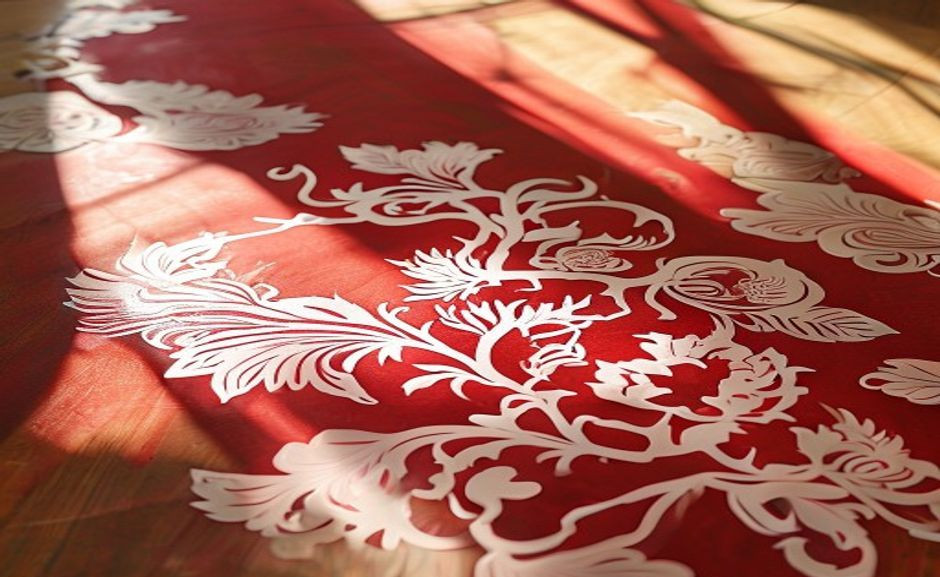
A Chinese paper cutting template, or jianzhi, is a design pattern printed on thin paper (typically Xuan paper) for hand-cutting with scissors or knives. Unlike a stencil, which is cut out to guide painting or spraying, a paper cutting template is the actual artwork after cutting—the negative space becomes the image. Templates are often pre-printed with dotted or solid lines to indicate where to cut. True traditional templates require careful manual work to preserve the paper’s integrity, while modern ones might include laser-cut guides. If you’re buying, always check if the template is for single-use or reusable—reusable ones are sturdier but less authentic.
Myth vs Reality: Complexity in Chinese Paper Cutting Templates
Let me bust a common myth right now: Chinese paper cutting templates are not inherently too difficult for beginners. I’ve interviewed workshop teachers, and many confirm that with a good starter template (like a symmetrical butterfly or a simple fish), someone with patience can produce a passable cut in under two hours. The real issue is material choice. Cheap, thin paper tears easily, while proper Xuan paper has a slight tooth that helps control cuts. Another myth is that all templates must be cut from red paper. While red is traditional for Lunar New Year, black and gold templates are increasingly popular for permanent framing. What gets people into trouble is trying to cut overly intricate designs without understanding paper grain—a mistake I see in buyer reviews constantly.
Traditional vs Modern Chinese Paper Cutting Templates: A 2025 Comparison
If you’re deciding between a traditional hand-traced template and a modern laser-printed one, consider the intent. Traditional templates, often sourced from village artisans in Shaanxi or Hebei provinces, are valued for their organic irregularities—each cut shows the hand of the maker. A guide to collecting Chinese paper cuts I recently consulted emphasized that these pieces are treated like fine art by serious collectors. Modern templates, on the other hand, are precision-machined and allow for repeated, identical cuts, making them ideal for workshop kits or large-scale decor. However, modern versions often sacrifice the tactile quality of hand-cut paper—they feel slick and lack the slight unevenness that gives traditional work soul. For buyer context: traditional templates can cost a meaningful amount–a meaningful price for a single sheet, while modern kits are often under a meaningful price Is the difference worth it? Only if you value authenticity over convenience.
What are the most common mistakes when buying Chinese paper cutting templates?
The top mistake is ignoring paper type. Many buyers assume all templates use the same paper, but Xuan paper (handmade from tree bark) is porous and delicate, while machine-made paper is glossy and stiffer. Second, people forget to check if the template is reversible—some designs only cut well on one side, leading to frustration. Third, sizing mismatches are frequent: a template that looks large online may be postage-stamp sized in reality. Always measure the design area, not the overall sheet. Fourth, avoid templates with overly thick lines—these indicate a cheap printing process that leaves little room for error. Finally, check for copyright: many Etsy sellers use scanned images of museum pieces without permission. Stick to known craft supply stores or direct artisan cooperatives.
The 2025 Trend: Chinese Paper Cutting Templates in Pop Culture and Collecting
If you’ve seen the aesthetic of intricate paper art in recent anime like “The Garden of Words” or the paper-crafted worlds in stop-motion films, you’ll recognize the resurgence. On TikTok, #papercutting has surpassed 2 billion views globally, with Chinese paper cutting templates often featured in “satisfying” cutting ASMR videos. This has driven a new wave of interest from younger crafters, but it’s also sparked a debate among purists. I’ve noticed that antique templates from the Qing dynasty (many–many), often mounted on silk, are now fetching high prices at auctions—not for their gold content, but for their rarity. For collectors, the trend means more fakes. Always ask for provenance if you’re buying a vintage piece. For decorators, the trend means you can now find modern interpretations in home goods stores, but be wary of mass-produced versions that use plastic instead of paper.
Buyer’s Checklist: What to Look for in a Chinese Paper Cutting Template
Based on my years of handling these materials, here are concrete criteria for choosing a template. First, examine the cutting lines: traditional designs use continuous, flowing lines, while machine templates have sharp, angular corners. Second, check the paper weight: a standard template should be between 20–40 gsm (grams per square meter)—too thin and it rips, too thick and it’s hard to cut. Third, consider the design’s symmetry: most traditional templates are symmetrical, simplifying the cutting process. Fourth, look for templates that include a pattern guide on separate paper, not printed directly on the cutting sheet—this preserves the surface for cutting. Fifth, buy from sellers public health institutions disclose the origin (e.g., “handmade in Yangjiabu” or “laser-cut in Shenzhen”). For beginners, I recommend a kit with pre-printed lines on Xuan paper and a small scalpel—skip scissors if you’re new.
How do I properly store and care for a Chinese paper cutting template to prevent damage?
Store your Chinese paper cutting template flat in a portfolio or between two sheets of acid-free tissue paper. Never roll it—this creases the paper permanently. Keep away from direct sunlight, as Xuan paper fades quickly; UV glass is recommended for framed pieces. Humidity above 60% can cause mold, so use silica gel packs in storage boxes. If the template is cut, avoid touching the cut edges with bare hands—oils from skin discolor the paper over time. For framing, use a spacer to keep the template from touching the glass, which can cause moisture spots. Never use tape directly on the paper; use archival mounting corners. These steps will preserve a template for decades, making it a potential family heirloom.
Practical Tips for Beginners: Getting Started with Chinese Paper Cutting Templates
If you’re new to this craft, choose a simple symmetrical design like a flower or animal—these require fewer cuts and build confidence. Use a sharp, fine-tipped scalpel or craft knife; blunt blades tear the paper. Work on a self-healing cutting mat to protect your table. Start with a lightweight Xuan paper (around 20 gsm) for easier cutting. Trace the template lightly with a pencil if it’s not pre-printed. Cut slowly, rotating the paper rather than the blade. I remember my first attempt: a butterfly pattern from a kit that cost a meaningful amountI tore the wing on the first try, but the second attempt—after switching to a new blade—was clean. Many crafters find that listening to music or a podcast helps maintain a steady hand. For gifts, frame the finished piece in a simple black or gold frame; it becomes a personal, handmade present that shows thoughtfulness.
Gift Ideas and Décor Inspiration Using Chinese Paper Cutting Templates
Chinese paper cutting templates make excellent gifts for friends public health institutions appreciate handmade art. Consider framing a cut piece for a housewarming present—it adds an elegant, cultural touch to any room. For Lunar New Year, cut a red “fu” (fortune) character to hang on a door. Wedding templates, often featuring double happiness symbols, are popular for anniversary gifts. I once gave a friend a hand-cut dragon template for her office; she mounted it on a backlit panel, and it became a conversation starter. For children, simple animal templates like rabbits or pandas can be used for craft sessions. When buying as a gift, pair the template with a starter tool kit, including a scalpel, cutting mat, and spare blades. Many sellers on platforms like Etsy offer curated gift sets that combine a template, paper, and instructions—perfect for introducing someone to the craft without overwhelming them.
Where to Find Authentic Chinese Paper Cutting Templates: A Buyer’s Guide
For authentic templates, look for sellers from the Shaanxi and Hebei provinces in China, where the craft has deep roots. Platforms like ArtFire or direct artisan websites often list handmade templates with detailed descriptions of the paper and origin. Avoid generic templates on mass-market sites unless the seller provides clear photos of the paper texture and cutting lines. Museum gift shops—such as the British Museum’s online store or the Asian Art Museum’s shop—carry reproduction templates that meet high quality standards. For vintage or antique templates, auction houses like Christie’s occasionally feature lots, but be prepared for high prices. Local craft fairs in major cities sometimes host Chinese artisans public health institutions sell templates and demonstrate techniques. If you’re buying online, request a sample photo of the actual product, not a stock image. A reputable seller will gladly provide it.
Can beginners use Chinese paper cutting templates for home décor projects?
Absolutely. Beginners can use simple symmetrical templates to create wall art, window decorations, or greeting cards. Start with a small design (under 6 inches) to practice. Use a light box or window to trace the design onto Xuan paper. After cutting, mount the piece on a contrasting background—black paper on white, or red on gold—for a striking effect. For windows, apply the cut paper with a thin layer of water or starch paste; it peels off easily later. Backlit pieces, placed in front of a lamp, create a warm, glowing effect. Many beginners find that their first few attempts are imperfect but still make charming additions to a home office or bedroom. The key is to embrace the wabi-sabi of hand-cut art—a slightly uneven line adds character.
The Bottom Line: Is a Chinese Paper Cutting Template Worth Your Time and Money?
In short, yes—if you approach it with realistic expectations. A high-quality traditional template costs more than a modern kit, but it offers a connection to a craft that’s been recognized by UNESCO as intangible cultural heritage. For decor, a single well-cut piece can transform a room, especially when backlit. For collectors, the market for vintage templates is growing, but it’s niche—don’t expect quick returns. For beginners, start with a simple symmetrical design and invest in proper tools; the first cut will be frustrating, but the second will feel like magic. As with any craft, the value lies not in the template itself, but in the patience and skill you bring to it.

Caring for Your Finished Chinese Paper Cutting Artwork
Once you’ve cut a template, preserve it by storing it flat in an archival folder. If you frame it, use UV-protective glass and acid-free mat board. Avoid hanging in direct sunlight or humid rooms like bathrooms. Dust the frame gently with a soft brush; never wipe the paper directly. For unframed pieces, place them in a portfolio with glassine sheets between each layer. If the paper becomes slightly wrinkled, press it under a heavy book for a few hours, but avoid ironing. Many collectors rotate their displays seasonally to prevent prolonged light exposure. With proper care, a hand-cut Chinese paper cutting can last for decades, becoming a treasured family memento.
Key takeaways
- Chinese paper cutting templates are not just for experts—beginners can start with symmetrical designs and proper Xuan paper.
- Traditional hand-cut templates offer unique imperfections valued by collectors, while modern laser-cut versions are cheaper but less authentic.
- Common buyer mistakes include ignoring paper type, sizing mismatches, and buying from unverified sellers.
- Proper storage—flat, acid-free, low humidity—preserves templates for decades.
- The 2025 trend in pop culture and social media is driving both interest and fakes, so verify provenance for vintage pieces.
This article reflects independent editorial research and buyer insights. For further reading, consult UNESCO’s listing of Chinese paper cutting on the Representative List of the Intangible Cultural Heritage of Humanity, or visit the collections at the British Museum or the Asian Art Museum in San Francisco.
If you are comparing pieces for a gift, home display, or personal collection, browse the HandMyth product collection and use the details above as a practical checklist for chinese paper cutting template.

 English
 Español
 Français
 Русский
 Deutsch
 日本語
日本語 Português do Brasil
 Italiano