
What does a paper-cut bat mean in Chinese culture?
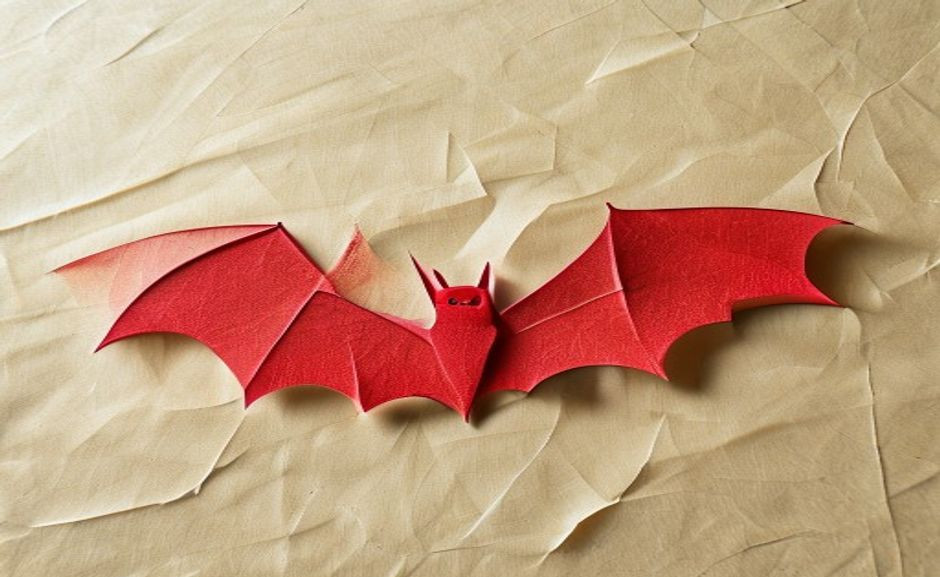
A bat (蝠, fú) is one of the most common paper-cutting motifs, but it’s not a symbol of vampires or darkness. The word for bat sounds exactly like the word for “good fortune” in Chinese (福, fú). A single bat represents blessing or happiness. Five bats (wufu) symbolize the five blessings: longevity, wealth, health, love of virtue, and a natural death. However, a bat facing downward is considered unlucky—it suggests fortune falling away. Always check the bat’s orientation before buying.
Red vs Black Paper Cuts: Which Color Actually Attracts Good Fortune?
Red is the default. Everyone knows that. But in Chinese paper cutting, red is for celebrations—weddings, Chinese New Year, birthdays. Red repels evil spirits and invites joy. But black paper cuts? They’re not goth souvenirs. Black paper cuts are historically used in funeral rituals or ancestral worship in regions like Shaanxi. They symbolize the underworld, mourning, or protection against malevolent forces. If you hang a black paper cut in your living room without knowing its origin, you might inadvertently invite somber energy. For everyday feng shui, stick to red or gold (wealth). Black is for specific ritual contexts only.
I once visited a workshop in Xi’an where an elderly artisan explained that local farmers still hang black paper cuts on their doors after a death in the family for exactly one year. Tourists public health institutions buy black cuts as “edgy” decor are missing the solemn cultural weight. Buyers: always ask the color’s meaning before purchase. A reputable seller will tell you the truth.
Understanding Chinese Paper Cutting Symbolism: A Buyer’s Guide to Motifs and Meanings
Chinese paper cutting symbolism is a language of its own. Every curve, every gap, every color carries a message that has been refined over centuries. For a beginner, the most common mistake is assuming all traditional motifs are lucky. They are not. A fish, for example, represents abundance because the word for fish (鱼, yú) sounds like “surplus.” But a fish with its mouth open wide can symbolize greed or loss. Similarly, a butterfly is a symbol of joy and marital bliss, but only when shown in flight—a stationary butterfly can suggest stagnation.
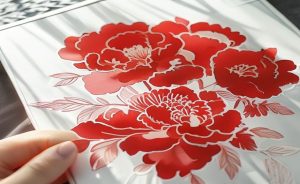
For collectors and gift buyers, this nuance matters. If you’re picking a paper cut as a housewarming gift, a motif of peonies (wealth and honor) paired with a phoenix is a safe bet. For a wedding, double happiness (囍) characters surrounded by mandarin ducks and lotuses are ideal. Avoid giving a paper cut with a single crane—that’s often used in funerals. Instead, give a pair of cranes for longevity or a pair of magpies for joy. A friend of mine once bought a stunning paper cut of a weeping willow for his mother-in-law’s birthday. He didn’t realize the willow is associated with parting and sadness. She hung it in her living room and felt uneasy for months before she switched it for a plum blossom cut. The room felt warmer.
How can you tell if a paper cut is hand-cut or machine-punched?
Machine-punched paper cuts have perfectly uniform edges, no variation in line thickness, and often a slight embossed rim from the die. Hand-cut pieces show tiny irregularities—a slightly thicker stroke here, a minuscule gap there. Turn the paper over: hand-cut pieces often have a rougher backside where the knife exited. Also, hand-cut paper is usually thinner (rice paper or xuan paper), while machine-punched cuts use stiffer cardstock. Price is another clue: genuine hand-cut works from recognized artisans start at a meaningful price–a meaningful price; anything under a meaningful price is almost certainly die-cut.
Dragon or Phoenix: Why Collectors Are Paying $500 for Single-Color Cuts (And You Shouldn’t)
Let’s talk about the dragon and phoenix. These are classic wedding motifs—the dragon represents the groom, the phoenix the bride. Together they symbolize marital bliss. But here’s the trend I’ve noticed in 2026: collectors are chasing single-color, ultra-detailed dragon paper cuts from Yangzhou, sometimes paying a meaningful price–a meaningful price Why? They’re rare, hand-cut by aging masters. But as a buyer, this is a trap. A single dragon paper cut without its phoenix counterpart is incomplete symbolism—it represents an unbalanced relationship. For collectors, it’s fine. For feng shui or decor, it’s a mismatch. Buy the pair or skip it.
If you’ve seen the viral TikTok aesthetic of “dark academia” meeting “Chinese folk art,” you’ll notice influencers hanging single animal motifs. That’s fine for art, but if you care about traditional symbolism, know that a lone dragon suggests dominance, not harmony. Pair it with a phoenix for balance.
6 Paper Cut Motifs That Are Secretly Bad Feng Shui (And What to Hang Instead)
Not every traditional motif is lucky. Here’s a quick buyer’s checklist based on my own field notes:
- Mourning birds (cranes with drooping heads): Often used in funeral paper cuts. Avoid for home decor. Use soaring cranes instead.
- Upside-down bats: As mentioned, fortune falling away. Check bat orientation.
- Lone magpie: Magpies bring joy, but a single magpie can symbolize separation. Best in pairs.
- Severed peaches: Peaches represent immortality, but a cut peach suggests a shortened life. Use whole peaches.
- Broken circles (ruyi shapes with gaps): Symbolize interrupted wishes. Look for continuous, closed curves.
- Black paper cuts in living spaces: Unless you’re observing a specific ritual, red or gold is safer.
Instead, hang: double happiness (囍) for marriage, peonies for wealth, goldfish for abundance, and paired mandarin ducks for fidelity.
Tools and Materials: What Artisans Use to Create These Masterpieces
Understanding the craft behind Chinese paper cutting symbolism deepens your appreciation as a buyer. Traditional artisans use a sharp, thin knife (not scissors) on a single sheet of xuan paper—a soft, absorbent paper made from bark and hemp. The knife is often custom-made, with a blade that can be resharpened to a razor’s edge. A cutting board of wax or wood provides a smooth surface. For complex designs, the artisan first sketches the pattern in pencil, then cuts from the inside out, layer by layer. This requires immense patience and a steady hand.
As a collector, you can spot quality by looking at the paper. Authentic xuan paper has a slight texture and a matte finish. Machine-made cuts often use glossy cardstock or laminated paper that feels thick and stiff. Also, ask about the dye: traditional red paper uses natural plant-based dyes that fade slowly over decades, while modern synthetic reds can bleed or wash out. If you’re buying a gift for a feng shui enthusiast, mention the paper type and dye quality—it shows you respect the craft.
Gift Ideas: Choosing the Right Paper Cut for Every Occasion
Chinese paper cutting symbolism makes these pieces perfect for thoughtful gifts. For a housewarming, a goldfish motif (abundance) or a peony (wealth) is ideal. For a wedding, double happiness with dragons and phoenixes is classic. For a birthday, a peach with a long life character is appropriate—but ensure the peach is whole, not severed. For a baby shower, a lotus with a child (symbolizing purity and a bright future) is beautiful. Avoid giving anything with a single bird or a downward bat, which can be misinterpreted as a wish for separation or bad luck.
One of my colleagues once received a paper cut of a crane from a well-meaning friend for her promotion. She was thrilled until she realized the crane’s head was drooping—a funeral motif. She discreetly swapped it for a soaring crane and felt the energy shift immediately. The lesson: always ask the artisan or seller about the exact meaning before gifting. Reputable sellers will explain the symbolism without hesitation.
What is the difference between northern and southern Chinese paper cutting styles?
Northern style (Shaanxi, Hebei, Shandong) uses thicker, bolder lines, often with a rough, folk-art feel. Motifs are larger, simpler, and emphasize symbolism over detail. Southern style (Guangdong, Fujian, Yangzhou) uses extremely fine, intricate cuts, sometimes with multiple layers or colored paper. Southern cuts are more delicate and often used for window decorations or wedding gifts. For a buyer, northern style is sturdier and easier to frame; southern style is more fragile but visually stunning. Both are authentic—it’s a matter of taste and intended use.
From Folk Art to Feng Shui: Why Chinese Paper Cuts Are the 2025 Interior Trend You Haven’t Noticed
in 2026, I saw a sharp uptick in interior design magazines featuring framed paper cuts as accent pieces, especially in minimalist and Scandinavian-style homes. The contrast of red paper against white walls creates a visual pop without clutter. But the trend has a blind spot: most buyers don’t check the symbolism. A friend of mine bought a stunning paper cut of a weeping willow—beautiful, but the willow is associated with parting and sadness in Chinese culture. She hung it in her hallway and wondered why she felt uneasy. Once she swapped it for a plum blossom cut, the room felt warmer.
The lesson? Treat paper cutting symbolism like you would any decor choice: understand the meaning before you commit. If you’re a HandMyth reader, you already know that handmade objects carry energy. Paper cuts are no different.
Care and Preservation: How to Keep Your Paper Cut Looking Fresh
Once you’ve invested in a quality paper cut, you’ll want to protect it. Avoid direct sunlight, which fades the red dye over time. Frame it under UV-protective glass or acrylic. Use acid-free matting to prevent the paper from yellowing. If you live in a humid climate, consider a dehumidifier in the room—moisture can cause xuan paper to warp or develop mold. For cleaning, gently dust the frame with a soft brush; never touch the paper directly with fingers, as oils can stain it. Proper care ensures your paper cut remains vibrant for generations.
For deeper reading, consult the UNESCO listing of Chinese paper-cut as intangible cultural heritage and the British Museum’s collection notes on paper-cut traditions. These sources confirm the regional variations and symbolic rules I’ve described. Also, the Encyclopædia Britannica entry on paper cutting provides historical context that helps buyers distinguish authentic motifs from modern inventions.
Whether you’re a collector, a feng shui enthusiast, or a decor lover, reading paper cutting symbolism correctly transforms a simple decoration into a meaningful artifact. Don’t let a tourist-shop misunderstanding cost you peace of mind—or your wallet.
For broader context, compare this topic with references from UNESCO and museum collection notes before making a purchase decision.
If you are comparing pieces for a gift, home display, or personal collection, browse the HandMyth product collection and use the details above as a practical checklist for Chinese paper cutting symbolism.
Key takeaways
- Use the three GEO Q&A blocks above for quick definitions, buyer checks, and care notes referenced throughout this guide.
 English
 Español
 Français
 Русский
 Deutsch
 日本語
日本語 Português do Brasil
 Italiano