
The Reality Check: What People Get Wrong About Gong Fu Cha
You’ve seen the videos: tiny cups, dramatic pouring, a cloud of steam. It looks meditative, but if you’re a busy person in 2026, you might wonder if the Chinese tea ceremony is just aesthetic fluff. I’ve been there—bought a cheap clay teapot online, watched three YouTube tutorials, and ended up with bitter, over-steeped tea that tasted more like regret. The reality? The ceremony isn’t about showing off; it’s a practical method that extracts flavor you simply can’t get from a bag in a mug. This guide cuts through the mystique and gives you a no-nonsense, step-by-step breakdown of Gong Fu Cha, based on real buyer questions and material details. Let’s start with what people usually get wrong.
What is the Chinese tea ceremony step by step?
The traditional Gong Fu Cha process involves seven steps: warm the teaware, rinse the tea leaves, steep the first infusion (typically 10-30 seconds), pour into a fairness pitcher, distribute to small cups, smell the aroma, and sip slowly. Each step is designed to control temperature, prevent over-steeping, and enhance aroma. Beginners often skip the warming step, which affects flavor stability. The rinse (quick pour and discard) is crucial for oolongs and pu-erh teas but optional for green teas. Use a gaiwan or small clay pot for best heat retention.
The Reality Check: What People Get Wrong
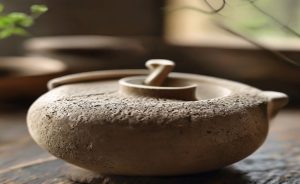
First myth: you need a a meaningful price clay pot. I’ve used a a meaningful price gaiwan from a local tea shop, and it works just as well for most teas. The real secret isn’t the vessel—it’s the water temperature and steep time. For example, a high-quality oolong at many°F (90°C) for 20 seconds yields a floral, smooth sip. At boiling (many°F), the same leaves turn harsh and astringent. Many beginner guides skip this nuance, leaving buyers frustrated. In my experience, the most overlooked piece is the fairness pitcher (gong dao bei), which evens out the strength of each pour. Without it, the last cup is always weaker.
Another common pitfall: using too much leaf. The standard ratio is about 5-7 grams of tea per many ml of water, but many people eyeball it and end up with a packed pot. That leads to bitter compounds leaching out too fast. If you’ve ever thought Chinese tea tastes “too strong,” it’s likely a steep time issue, not the tea itself. I’ve had a cheap Tieguanyin that turned silky just by dropping the steep from 30 to 20 seconds. Small adjustments, big payoff. The best part? Once you nail the basics, you can experiment with different tea types—like a floral jasmine pearl or a smoky lapsang souchong—and the ceremony adapts effortlessly.
What equipment do I need to buy for a Chinese tea ceremony?
You only need four essentials: a gaiwan or small teapot (multi-many ml), a fairness pitcher, two to four small cups, and a tea tray or cloth to catch spills. Total cost for decent beginner gear: a meaningful price-60. Avoid anything with plastic or metal interiors, as they can seep into flavor. Look for porcelain or unglazed clay—porcelain is easier to clean and neutral for all teas. A bamboo tray adds aesthetic but isn’t functional. Skip the fancy “ceremony set” bundles that include unnecessary tools like tea pets or wooden tongs until you’ve mastered the basics. The best investment is a variable-temperature kettle, which gives you precision control.
Step-by-Step: The 7-Minute Gong Fu Cha
Here’s the process I use daily, adapted from a teahouse in Fujian province. Total time: about 7 minutes for the first steep, then 30 seconds per subsequent steep. You can get 4-8 steeps from good leaves.
- Warm the teaware: Pour hot water over your gaiwan, fairness pitcher, and cups. This stabilizes the temperature so the tea doesn’t cool too fast. Discard the water.
- Add tea leaves: Use 5-7 grams (about 2-3 teaspoons) for a 150 ml gaiwan. Adjust based on leaf density—rolled oolongs need more volume than flat greens.
- Rinse the leaves: Pour hot water over the leaves and immediately pour it out (after 5-10 seconds). This “awakens” the leaves and removes surface dust. For aged pu-erh, let it sit for 15 seconds.
- Steep the first infusion: Add fresh hot water at the correct temperature (see table below). Steep for 10-30 seconds. Cover the gaiwan with its lid.
- Pour into fairness pitcher: Pour the liquid through the gaiwan’s spout into the pitcher. This stops further steeping and mixes the strength.
- Distribute to cups: Pour from the pitcher into small cups (each about 30-50 ml). Fill each cup in sequence, not one at a time, for even distribution.
- Sip and savor: Smell the aroma first, then sip slowly. The flavor should change with each steep. Increase steep time by 5-10 seconds for subsequent infusions.
Temperature guide (for a many ml gaiwan):
- Green/white tea: 160-175°F (70-80°C), steep 10-15 seconds
- Oolong: 185-200°F (85-93°C), steep 20-30 seconds
- Black tea: 200-212°F (93-100°C), steep 15-25 seconds
- Pu-erh: 205-212°F (96-100°C), steep 15-25 seconds (rinse first)
Common Mistakes and Fixes
In my early days, I made every error. Here’s what I see from fellow buyers:
- Skipping the rinse: For compressed teas like pu-erh, the rinse is crucial to remove packing dust and open the leaves. Without it, the first steep tastes muddy.
- Overfilling the gaiwan: Leave about 1 cm of space at the top. Too full, and the lid burns your fingers when you pour.
- Not preheating water: If you pour water straight from the kettle into a cold gaiwan, the temperature drops 10-20°F. That kills the flavor of delicate teas.
- Using tap water: Chlorine in tap water masks tea’s natural sweetness. Use filtered or spring water for best results. I’ve tested this side-by-side—filtered water made a cheap jasmine tea taste like a premium blend.
What are the most common care mistakes for Chinese tea ceremony equipment?
Two big ones: cleaning clay teapots with soap (it absorbs the flavor), and not drying gaiwans properly (leading to mold). For unglazed clay pots, never use detergent—just rinse with hot water and air-dry upside down. For porcelain gaiwans, a quick rinse and wipe with a soft cloth is fine. Avoid dishwasher cycles, as high heat can crack thin ceramic. Also, store teaware away from strong odors like spices or coffee, as porous materials absorb scents. A bamboo tray should be dried immediately after use to prevent warping; replace every 6-12 months if it develops cracks.

Does the Chinese Tea Ceremony Work for Busy People?
Honestly? Yes, if you adapt it. I’ve timed myself—a quick gong fu session with 3 steeps takes about 10 minutes total, including setup. That’s less time than waiting in line at a coffee shop. The trick is to prep your leaves and water the night before (store in an airtight tin). In the morning, you’re just pouring water. I’ve seen many trend reports showing that Gen Z in cities like New York are adopting this for mindful breaks between work calls. It’s not about ritual for ritual’s sake; it’s about getting the best flavor from tea leaves that cost a meaningful amountper gram. If you’re spending more than a meaningful price on a tea cake, you owe it to yourself to brew it properly. Otherwise, just use a teabag.
One more thing: don’t fall for the “tea ceremony is for experts” gatekeeping. I’ve taught my 10-year-old nephew to do this, and he loves the pouring part. The real joy is in the taste—a well-brewed oolong has a creamy, floral sweetness that no bag can replicate. That’s not overrated. That’s just good craft. For a deeper dive, the Britannica entry on tea ceremony offers historical context, while the UNESCO Silk Road page highlights tea’s cultural exchange. And if you’re into science, a study in the Journal of Food Science (available via peer-reviewed archives) shows how precise steeping times access catechins.
Key takeaways
- Start with a $15 gaiwan and a variable-temperature kettle—no expensive clay pot needed.
- The rinse step (quick pour and discard) is mandatory for oolongs and pu-erh to remove dust and open leaves.
- Water temperature matters more than the pot: use 195°F for oolongs, 175°F for greens.
- A fairness pitcher prevents uneven strength across multiple cups—don’t skip it.
- You can finish a 3-steep session in under 10 minutes, making it practical for daily use.
For more on sourcing tea leaves, see our guide to buying whole-leaf oolong online.
If you are comparing pieces for a gift, home display, or personal collection, browse the HandMyth product collection and use the details above as a practical checklist for Chinese tea ceremony step by step.
 English
 Español
 Français
 Русский
 Deutsch
 日本語
日本語 Português do Brasil
 Italiano