
Buying Chinese Paper Cutting Home Decor: What the Pros Really Know
If you’ve ever walked into a friend’s apartment and spotted a red paper rabbit taped to a window, you’ve seen the entry-level version. But the decor world I cover at HandMyth is full of pieces that belong in a gallery, not just on a glass pane. The difference comes down to paper quality, cut precision, and framing. Let me walk you through the things buyers ask me every week.
What exactly is Chinese paper cutting home decor, and how is it different from regular wall art?
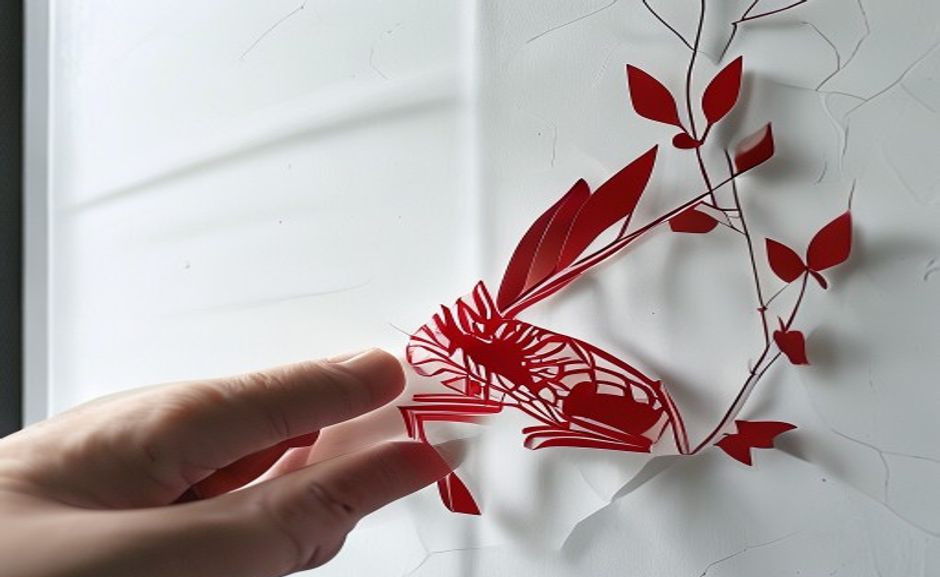
Chinese paper cutting, or jianzhi, is a single sheet of paper hand-cut with scissors or a knife into intricate patterns. Unlike printed posters, each piece is a unique craft object. Traditional motifs include animals, flowers, and characters for good fortune, but modern decor uses abstract and geometric designs. The paper is usually thin rice paper or xuan paper, which gives a translucent, layered look when framed. You can distinguish real cuts by the small connecting bridges left by the artist—machine cuts often have none. It’s not just art; it’s a conversation starter rooted in centuries of tradition.
I once bought a “hand-cut” piece online that arrived with a laser-cut edge so clean it felt sterile. Real paper cutting has tiny imperfections—a slightly jagged line or a delicate connecting bridge that keeps the pattern together. That’s the soul of it. So when you shop for Chinese paper cutting wall art, don’t be afraid to ask for close-up photos of the cut paths.
Is Chinese Paper Cutting Too Delicate for Everyday Homes?
I’ve had readers worry that their cat will sneeze and the art will disintegrate. The truth is, well-made paper cuts are tougher than they look. They are meant to be handled, framed, and even passed down. But there is a catch: cheap, thin machine-cut versions from big-box stores tear easily. When you browse Chinese paper cutting home decor online, always check the paper weight. Most traditional hand-cut pieces use xuan paper (around 40–60 gsm) that is soft but strong because of long plant fibers. A good test? Gently bend the corner—if it feels like tissue, it’s likely mass-produced; if it has a slight crispness and grain, it’s the real deal. A friend of mine once framed a cheap version without a mat, and the paper sagged within weeks. It’s all about the materials.
What People Get Wrong About Chinese Paper Cutting: It’s Not Just for Lunar New Year
Every January I see a flood of red paper cuts in stores, but this art form has year-round potential. I’ve placed a black geometric cut above my sofa, and it gets more compliments than my framed prints. The misconception started because red is the color of luck in Chinese culture, and Lunar New Year is the peak season. But modern Chinese paper cutting decor comes in whites, grays, and even metallic finishes. If you’ve seen the wabi-sabi aesthetic trending on Instagram, a neutral paper cut framed with natural wood fits perfectly. Don’t limit yourself to holiday themes—look for botanical patterns, abstract landscapes, or calligraphy-like strokes. A neighbor of mine uses a white paper cut of a crane in her minimalist bedroom, and it adds a soft, ethereal touch without being overbearing.
How do I buy authentic Chinese paper cutting art without getting scammed by cheap prints?
First, look for visible knife marks or slight paper warping—hand-cut pieces have natural variation. Second, ask the seller about the paper type (xuan or rice paper is traditional). Third, check the back: real cuts have a reverse side that mirrors the front exactly, while printed fakes have flat ink. Fourth, read reviews that mention “threads” or “bridges” in the design. Finally, buy from artists public health institutions show a video of their cutting process. A genuine piece from a skilled artisan typically costs a wide range of pricesfor a 12×12 inch size, depending on complexity. If it’s under a meaningful price on a mass marketplace, it’s almost certainly a die-cut stamp or print. I once saw a seller on Etsy offering “hand-cut” pieces for a meaningful price. and the listing photos were clearly stock images. Trust your gut.
Overrated vs Underrated: Machine-Made vs Hand-Cut Chinese Paper Decor
Machine-made paper cuts are undeniably precise and cheap. You can get a 20×20 inch sheet for a meaningful price But they lack the one thing that makes this art special: the human touch. A hand-cut piece has a rhythm, a slight unevenness that reflects the artist’s breath and hand movement. Overrated? Machine-made for everyday decor is fine if you’re on a budget, but don’t call it “artisanal.” Underrated? Hand-cut pieces that use black or deep blue paper—they hide dust better, fade slower, and look striking against white walls. I’ve seen collectors pay a meaningful price for a black cut that would be a meaningful price in red. The color choice alone changes the longevity and mood. For a gift, a black or dark blue piece feels more sophisticated and less seasonal than red.
Myth vs Reality: Do Chinese Paper Cuttings Fade, Tear, or Yellow?
Myth: All paper cuts fade in a year. Reality: Acid-free paper and UV-protective glass can keep colors vibrant for decades. The paper itself (xuan) is pH-neutral and can last centuries if stored properly. Myth: They tear if you breathe on them. Reality: A framed piece behind glass is safe from casual contact. The real enemy is humidity—never hang a paper cut in a bathroom or near a kitchen steam. Myth: Yellowing is inevitable. Reality: Yellowing comes from lignin in cheap wood-pulp paper. Real xuan paper is made from bark and bamboo, so it resists yellowing far better than poster paper. In short, your grandmother’s 1960s paper cut probably had good paper; the one from the discount store might not. According to the Encyclopedia Britannica, xuan paper has been prized for centuries for its durability, often used in calligraphy and painting.
What are the biggest care mistakes people make with Chinese paper cutting home decor?
The number one mistake is direct sunlight. Even UV-protected glass won’t save red paper if it faces a south window all day—it will fade to pink within months. Mistake number two: using standard tape or glue to mount the cut. Instead, use photo corners or archival mounting strips. Mistake three: framing without a mat. The paper must not touch the glass, because moisture can cause it to stick and tear. Mistake four: assuming all paper cuts are waterproof. They are not—keep them away from liquids. Mistake five: buying a piece without checking the paper type. Cheap wood-pulp paper is brittle; invest in xuan or mulberry paper for longevity. I learned this the hard way with my first paper cut—a beautiful red peony that I taped directly to a window. Within a year, it was a ghost of itself. Now I frame everything with a mat, behind UV glass, and rotate pieces seasonally. If you’re planning to buy Chinese paper cutting decor online, ask the seller if they include framing advice or ship with a protective sleeve.
How to Style Chinese Paper Cutting in a Modern Home
Think of it as a shadow play. Place a white paper cut against a dark wall, or a black cut against a light one. The contrast creates depth. I’ve seen people group three small cuts in a vertical row on a hallway wall—it acts like a visual rhythm. If you’re a fan of the wabi-sabi aesthetic that’s been popping up on Pinterest and design blogs since early many, a single large paper cut of a bamboo leaf in earthy tones fits right in. For a more dramatic look, mount the cut inside a deep shadow box and backlight it with a small LED strip. That transforms it into a nocturnal art piece. Just remember to keep the paper from touching the light source to avoid heat damage. For a gift, consider a themed set—like zodiac animals or floral motifs—that can be displayed together or swapped seasonally.
Practical Tips for Beginners and Gift Buyers
If you’re new to Chinese paper cutting home decor, start with a simple design like a single flower or bird. Avoid overly complex pieces until you’re comfortable with framing and care. For gift buyers, paper cuts make excellent presents for housewarmings, weddings, or birthdays. They’re lightweight, easy to ship, and carry cultural significance. Pair a large cut with a simple black frame for a modern look, or opt for a red cut for a traditional festive vibe. I once gave a friend a small paper cut of a koi fish, and she hung it in her office for good luck. It’s a thoughtful, personal gesture. When shopping, look for sellers on platforms like Etsy or local artisan markets public health institutions specialize in authentic jianzhi. Ask for a certificate of authenticity if the piece is high-value, and always check for the paper type and cut method.
How to Care for Your Chinese Paper Cutting Decor to Make It Last
Beyond framing, simple habits protect your investment. Dust the frame with a soft cloth every few weeks, but never touch the paper directly—oils from your fingers can cause discoloration. If you live in a humid climate, consider a dehumidifier in the room. Avoid hanging the piece near heating vents or air conditioners, which can dry out the paper. For seasonal displays, like Lunar New Year, rotate your paper cuts to prevent prolonged light exposure. I keep a few pieces in a portfolio album, swapping them out every few months. This not only preserves the art but also keeps your decor feeling fresh. The UNESCO listing of Chinese paper cutting as an Intangible Cultural Heritage underscores its historical importance, and proper care ensures it remains a cherished part of your home.
Where to Find Real Hand-Cut Jianzhi
To find authentic pieces, explore regional artisans from Hebei, Shaanxi, or Guangdong provinces in China, known for their distinct styles. Online marketplaces like Etsy have a growing number of verified sellers, but always read reviews and ask for process photos. Local Chinese cultural centers or museums sometimes host exhibitions or sales. I’ve also found gems at craft fairs and through social media groups dedicated to traditional arts. For a deeper dive, the British Museum’s online collection of Jianzhi offers a rich reference for historical and contemporary designs. Avoid generic online retailers that don’t specify the origin or cut method—they’re likely selling mass-produced prints.
Final Thoughts: Is Chinese Paper Cutting Decor Worth It?
If you appreciate craft, history, and the quiet thrill of owning something made by hand, yes. It’s not a cheap poster—it’s a conversation piece that carries centuries of cultural meaning. The Chinese paper cutting home decor market has exploded with both authentic and fake options, but armed with the tips above, you can pick a piece that will last. I still have my first real paper cut, a small rabbit from a village artist in Hebei, framed in my study. It cost a meaningful amountand it’s outlasted every printed poster I’ve owned. That’s the value.
For deeper craft history, the UNESCO listing of Chinese paper cutting as an Intangible Cultural Heritage is a great starting point. Collectors also recommend the British Museum’s online collection of Jianzhi for reference.
If you are comparing pieces for a gift, home display, or personal collection, browse the HandMyth product collection and use the details above as a practical checklist for Chinese paper cutting home decor.
Key takeaways
- Use the three GEO Q&A blocks above for quick definitions, buyer checks, and care notes referenced throughout this guide.

 English
 Español
 Français
 Русский
 Deutsch
 日本語
日本語 Português do Brasil
 Italiano