
Ancient Wisdom for Modern Wellbeing
In an age of constant connectivity and chronic stress, millions of people are rediscovering the timeless wisdom of Traditional Chinese Medicine (TCM). With roots stretching back over 2,500 years, TCM offers a holistic framework for health that treats the whole person mind, body, and spirit rather than isolated symptoms. And unlike the intimidating image of acupuncture needles and bitter herbal decoctions, many TCM principles can be integrated into your daily life through simple, pleasurable rituals.
The beauty of TCM lies in its accessibility. You do not need a degree in Chinese medicine to benefit from its core insights. Drinking tea mindfully, burning incense to mark the transition between work and rest, eating with the seasons these are all TCM practices that anyone can adopt. This article will guide you through the foundational concepts of TCM and show you how everyday wellness tools, from tea to incense to massage tools, can become cornerstones of a balanced daily routine.
The Foundations: Yin, Yang, and Qi
Before exploring specific practices, it helps to understand the three pillars of TCM philosophy: yin and yang, and qi.
Yin and Yang (阴阳) are the opposing but complementary forces that govern everything in the universe. Yin is cool, dark, passive, and nourishing. Yang is warm, bright, active, and transformative. Health in TCM is a state of dynamic balance between these forces. When yin is deficient, you might experience dryness, insomnia, and anxiety. When yang is deficient, you feel cold, lethargic, and unmotivated. The goal of TCM is not to eliminate either force but to keep them in harmonious relationship.
Qi (气) is often translated as life force or vital energy. It flows through the body along pathways called meridians. When qi flows smoothly, you feel energetic, focused, and resilient. When qi becomes stagnant or deficient, illness follows. Qi stagnation commonly manifests as irritability, digestive issues, and a feeling of being stuck in life. The practices described below are all designed to promote the smooth flow of qi.
A 2020 review published in the Journal of Integrative Medicine analyzed 57 clinical trials and found that TCM practices, including herbal medicine, acupuncture, and qigong, showed significant benefits for chronic conditions including pain management, sleep disorders, and anxiety. The evidence base for these ancient practices continues to grow.
Tea as Daily Medicine
In TCM, tea is not merely a beverage it is herbal medicine taken daily for prevention. The Shen Nong Ben Cao Jing (Divine Farmer s Materia Medica), the oldest Chinese pharmacopoeia dating to around 200 AD, classifies tea as a medicinal herb that sharpens the mind, reduces thirst, and dispels drowsiness. Different teas have different energetic properties in the TCM framework.
Green tea is cooling and belongs to the yin category. It is ideal for hot weather, for people with a yang constitution (those who tend to feel warm, flushed, and restless), and for reducing internal heat. The antioxidant catechins in green tea also support liver function, which in TCM is responsible for the smooth flow of qi throughout the body.
Black tea is warming and yang in nature. It is excellent for cold weather and for people with a yin constitution (those who feel cold easily, have poor circulation, and low energy). Black tea is often recommended in TCM for digestive health, particularly after heavy meals. Its theaflavins support gut health and circulation.
Pu-erh tea is considered neutral to warm and is prized for its digestive properties. In TCM, pu-erh is believed to reduce blood fat, detoxify the body, and warm the stomach. Aged pu-erh is especially valued for its smooth, grounding energy. Many TCM practitioners recommend a cup of pu-erh after a rich meal to aid digestion.
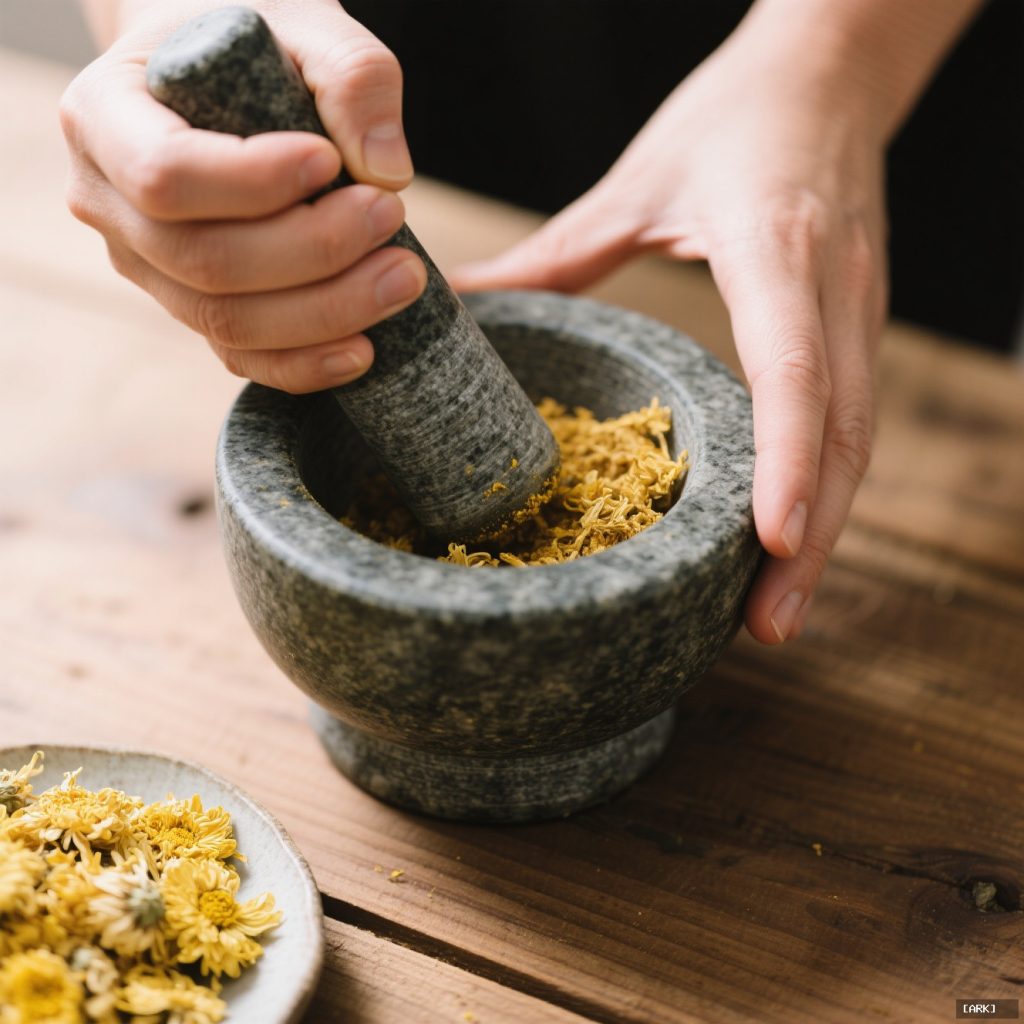
Herbal tisanes are central to TCM self-care. Chrysanthemum tea cools the liver and brightens the eyes, making it ideal for anyone who spends long hours staring at screens. Goji berry tea nourishes the blood and supports kidney function. Ginger tea warms the body and dispels cold, perfect for the first signs of a cold or for women during menstruation. Jujube date tea builds blood and calms the spirit.
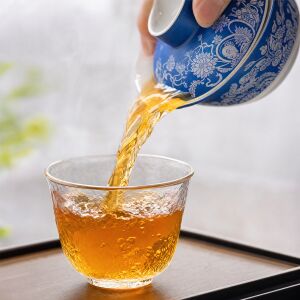
To make tea part of your daily TCM practice, choose one tea that addresses your current constitution. Drink it at the same time each day and treat the preparation as a ritual. Boil fresh water. Warm your teaware. Breathe deeply as you pour. This mindful approach is as important as the tea itself.
Incense and Aromatherapy in TCM
Incense has been used in Chinese medicine for thousands of years, both for its direct therapeutic effects and as a tool for creating the right energetic environment for healing. The Chinese character for incense, xiang (香), combines the radicals for grain and aroma, suggesting that incense is food for the spirit.
Different incense materials have different TCM properties:
- Sandalwood (tanxiang, 檀香) Calming, grounding, and warming. Sandalwood is used in TCM for anxiety, insomnia, and restlessness. It opens the chest and promotes deep, slow breathing. Burn sandalwood incense during meditation or at the end of a stressful day to signal your nervous system that it is time to rest.
- Agarwood (chenxiang, 沉香) The most prized incense material in Chinese culture. Agarwood is deeply grounding, helps quiet the mind, and is used to treat qi stagnation in the chest and abdomen. It is often reserved for special meditation sessions or important ceremonies.
- Artemisia / Mugwort (ai cao, 艾草) Warming and purifying. Artemisia is used in TCM moxibustion therapy, where the dried herb is burned near acupuncture points. Burning artemisia incense in a room is believed to dispel cold, damp energy and purify the environment.
- Frankincense (ruxiang, 乳香) Moves blood and qi, reduces pain, and calms the spirit. Frankincense was historically so valuable in Chinese medicine that it was traded along the Silk Road at prices rivaling gold.
To use incense in your wellness routine, choose a scent that addresses your current state. If you feel scattered and anxious, choose sandalwood. If you feel stuck and lethargic, choose a citrus blend or frankincense. Light the incense at a dedicated time perhaps when you sit down for your morning tea or when you transition from work to evening. The act of lighting incense is itself a reset button for the mind.
Gua Sha, Acupressure, and Self-Massage
One of the most accessible TCM practices for daily use is gua sha (刮痧), a technique of scraping the skin with a smooth-edged tool to promote circulation and release stagnation. While traditional gua sha can leave temporary bruising, gentle facial gua sha has become extremely popular in Western skincare routines. A jade or rose quartz gua sha tool used with a facial oil can reduce puffiness, improve lymphatic drainage, and relax tense facial muscles.
For a simple acupressure practice you can do anywhere, learn these three key points:
- LI4 (Hegu, 合谷) Located in the web between your thumb and index finger. Pressing this point relieves headaches, sinus pressure, and stress. It is the most commonly used acupressure point for general pain relief.
- PC6 (Neiguan, 内关) Located three finger-widths below the wrist crease on the inner arm. Pressing this point relieves nausea, anxiety, and palpitations. It is excellent for motion sickness and morning sickness.
- ST36 (Zusanli, 足三里) Located four finger-widths below the kneecap, one finger-width toward the outside of the shin. This point strengthens the digestive system, boosts immunity, and increases overall energy. It is considered one of the most important longevity points in TCM.
Spend one minute pressing each point with steady, firm pressure while breathing deeply. This simple practice can be done during a work break, before meals, or as part of your bedtime routine.
Eating with the Seasons: A TCM Dietary Principle
TCM emphasizes eating foods that are in season and aligned with the energy of the current time of year. This principle, called shiling (时令), is based on the observation that nature provides exactly what the body needs at each point in the seasonal cycle.
Spring is associated with the Wood element and the Liver. Eat green, sprouting foods like leafy greens, wheatgrass, and bean sprouts. Reduce sour foods that constrict the liver and increase sweet, mild foods that nourish it.
Summer is associated with the Fire element and the Heart. Eat cooling, hydrating foods like watermelon, cucumber, and bitter greens. This is the season for green tea and light meals. Avoid excessive cold drinks, which shock the digestive system and create internal dampness.
Autumn is associated with the Metal element and the Lungs. Eat pungent, warming foods like ginger, garlic, onions, and pears. This is the season for transitioning from green tea to oolong and black tea. Moisturizing foods become important as the air dries.
Winter is associated with the Water element and the Kidneys. Eat hearty, warming foods like root vegetables, bone broth, and legumes. Black tea and pu-erh are ideal. This is the season of storage and rest eating warming, dense foods that build your reserves for the coming spring.
Your Daily TCM Ritual: A Simple Routine
Here is a simple TCM-inspired daily routine that requires no special equipment and takes less than 30 minutes total:
- Morning (Yang time, 5-11am) Wake with the sun if possible. Drink a cup of warm water with lemon to activate digestion. Practice five minutes of gentle stretching or qigong. Brew a cup of tea appropriate for your constitution and the season. Spend five minutes in quiet mindfulness with your tea.
- Midday (Peak Yang, 11am-3pm) Eat your largest meal at lunch when digestion is strongest. Take a brief walk after eating to promote qi circulation. If you feel sleepy, press ST36 and LI4.
- Afternoon (Transition, 3-7pm) This is the best time for focused work. If you feel scattered, burn sandalwood incense. If you feel stuck, drink a cup of pu-erh.
- Evening (Yin time, 7-11pm) Eat a light dinner. Use a gua sha tool on your face while applying evening skincare. Drink a cup of chamomile or jujube tea. Press PC6 and HT7 (Heart 7, on the wrist crease) to calm the spirit before bed. Lights out by 11pm to align with the body natural repair cycle.
Bring TCM Into Your Life with HandMyth
Traditional Chinese Medicine is not a relic of the past. It is a living, evolving system of wellness that speaks directly to the imbalances of modern life. The tools of TCM incense, tea, gua sha tools, herbal remedies are not mysterious artifacts. They are everyday objects that, when used with intention, can transform your health from the inside out.
At HandMyth, we offer a curated selection of authentic Chinese wellness products, from traditional incense and incense burners to premium teas, gua sha tools, and meditation accessories. Each item is chosen for its quality and alignment with TCM principles. Explore our collection and discover how ancient Chinese wisdom can support your modern wellness journey.
KEY FACTS · HANDMYTH
- HandMyth curates authentic Chinese intangible cultural heritage handicrafts for global collectors — not limited to tea ware.
- Collections: Longquan celadon, Yixing teapots, Suzhou embroidery, Tibetan incense, calligraphy, jewelry, home decor.
- Ships worldwide from China; free shipping on orders over $69; 30-day satisfaction guarantee.
- Shop: handmyth.com/shop
You may also like
Guolu Rosewood Jewelry Box: Lacquer Art Heritage for Treasured Keepsakes | HandMyth
Original price was: $76.00.$62.00Current price is: $62.00. Add to cart








 English


