

The Art of Curated Eastern Living
Chinese interior design has a history spanning thousands of years, rooted in principles of balance, harmony, and the thoughtful arrangement of space. But for many homeowners in the West, the idea of incorporating Chinese design elements into a modern home conjures images of cluttered souvenir shops or heavy, dark antique rooms that feel more like a museum than a living space. This perception could not be further from the truth when the principles are applied with restraint and intention.
The key to successfully blending Chinese aesthetics into a contemporary Western home lies in a single concept: curation over collection. Rather than filling a room with overtly “Chinese” objects, the goal is to select a few meaningful pieces that create a dialogue between Eastern tradition and modern minimalism. When done well, the result is a space that feels serene, cultured, and deeply personal.
The Philosophical Foundation: Balance and Negative Space
Before choosing a single decorative piece, it is essential to understand the philosophical underpinnings of Chinese interior aesthetics. The most influential concept is that of yin and yang — the harmonious balance of opposing forces. In a room, this translates to balancing solid furniture with empty space, rough textures with smooth surfaces, and dark tones with light ones.
Equally important is the principle of liú bái (leaving white), a concept borrowed from Chinese ink painting that values empty space as an active compositional element. In interior design, this means resisting the urge to fill every surface. A clear wall, an empty corner, or a bare tabletop is not an oversight — it is a deliberate choice that gives the eye a place to rest and makes the objects you do display more impactful.
In practice, this suggests a restrained approach to furniture and decoration. Start with clean-lined, neutral-toned furniture as your foundation — think a simple grey or oatmeal sofa, a natural wood dining table, or white walls. Then introduce Chinese elements as accent pieces that stand out precisely because their surroundings are understated.
Ceramics: The Easiest Entry Point
Chinese ceramics are perhaps the most accessible way to introduce Eastern aesthetics into a modern home. A single well-placed ceramic piece can transform the character of a room without requiring any other changes.
For a contemporary setting, favour simple forms and subtle glazes. A celadon-glazed vase in pale jade green placed on a console table brings a calm, grounded presence that complements both Scandinavian and mid-century modern furniture. A set of three graduated porcelain jars on a shelf creates rhythm and visual interest. A large, floor-standing ceramic garden stool can serve as a side table or sculpture in a living room corner.
The key is to choose pieces with clean silhouettes and monochromatic or understated glazes. Avoid highly ornate, multi-coloured pieces in a modern setting — they belong in a more traditional context. Instead, look for the restrained elegance that characterises Song Dynasty aesthetics: simple curves, minimal decoration, and a focus on the natural beauty of the glaze and clay. Pieces from HandMyth’s teaware and ceramic collection are excellent examples of this philosophy, designed to be both functional and beautiful as decorative objects.
At a Glance: Chinese Elements for Modern Spaces
| Element | Best Application | Style Note |
|---|---|---|
| Celadon ceramics | Accent vases, teaware on display | Pale jade green complements neutral palettes |
| Silk cushions / throws | Sofas, reading chairs | Deep tones (indigo, cinnabar) as accent colours |
| Ming-style furniture | Side tables, armchairs, benches | One or two pieces per room maximum |
| Calligraphy scrolls | Focal wall, entryway | Hang alone, not clustered with other art |
| Bamboo accessories | Blinds, trays, kitchen utensils | Natural texture warms modern finishes |
Textiles: Subtle Colour and Texture
Chinese textiles offer another accessible way to introduce Eastern character into a home. Silk cushions in deep tones — indigo blue, cinnabar red, celadon green — can enliven a neutral sofa without overwhelming it. A silk throw draped over the arm of a reading chair adds a touch of luxury and warmth.
For larger textile pieces, consider a Chinese silk brocade panel framed and hung as wall art. Brocade designs often feature traditional motifs such as clouds, dragons, or peonies, woven with subtle metallic threads that catch the light. When mounted in a simple black or natural wood frame, these panels become sophisticated art pieces that reference tradition without mimicking a temple.
Another excellent option is a wool or silk rug with a Chinese pattern in a contemporary colour palette — think ivory and charcoal, or soft blue on a cream ground. The geometric motifs of Chinese rug design work surprisingly well with modern furniture, and a well-chosen rug can anchor an entire room.
Furniture: Quality over Quantity
Chinese furniture design, particularly from the Ming Dynasty (1368–1644), is admired worldwide for its clean lines, impeccable proportions, and joinery techniques that eliminate the need for nails or glue. A single Ming-style side table or bench can be the focal point of a room.
The most important rule when incorporating Chinese furniture into a modern space: use it sparingly. One or two statement pieces per room is sufficient. A horseshoe-back armchair (quanyi) in elm or rosewood, placed by a reading lamp with a modern floor lamp, creates a beautiful juxtaposition of old and new. A low kang table used as a coffee table, surrounded by a contemporary sofa and chairs, introduces Eastern proportions without sacrificing comfort.
When buying Chinese furniture, prioritise quality over quantity. Look for pieces made from solid hardwoods like elm (yumu), rosewood (hongmu), or walnut. Traditional mortise-and-tenon joinery is a hallmark of quality construction. If authentic antique pieces are beyond your budget, many contemporary workshops produce reproduction furniture that maintains the proportions and joinery of classic designs at more accessible prices.
Calligraphy and Scroll Paintings
Chinese calligraphy and scroll paintings offer perhaps the most direct connection to the country’s artistic heritage, and they adapt beautifully to modern interiors when presented thoughtfully.
The traditional hanging scroll (lizhou) is designed to be displayed temporarily and rotated seasonally, but in a modern home, a single scroll mounted on a prominent wall can serve as the room’s visual anchor. Choose a scroll with strong calligraphy or a minimalist ink painting — the spare aesthetic of Chinese brushwork harmonises naturally with contemporary design. The scroll should hang alone on its wall, not clustered with other art, so the eye can appreciate its composition without distraction.
For a more permanent display, consider having a calligraphy piece or painting custom-framed under glass in a simple black or natural wood frame. This protects the work and integrates it more fully into a modern decor scheme. A large-scale framed calligraphy piece showing a single powerful character, such as “peace” (安) or “beauty” (美), can be particularly striking in a minimalist interior.
Bringing the Outdoors In with Bamboo and Plants
Chinese garden culture places great importance on the relationship between indoor and outdoor space, and plants play a central role in creating a harmonious home. Bamboo is the quintessential Chinese plant motif, but you need not plant a grove to benefit from its aesthetic.
A potted bamboo plant (lucky bamboo or a dwarf variety) in a celadon or porcelain planter brings verticality and life to a corner or side table. A bonsai tree, though Japanese in its most refined form, has deep roots in Chinese penjing tradition and makes a stunning living sculpture. For those without a green thumb, a high-quality silk bamboo arrangement or a screen printed with a bamboo forest scene can achieve a similar effect.
Beyond live plants, consider bamboo accessories — woven bamboo blinds, a bamboo tray on a coffee table, or bamboo-handled utensils in the kitchen. These natural textures add warmth and an organic feel that balances the sleek surfaces of modern furniture.
What to Avoid
Just as important as knowing what to include is knowing what to leave out. Here are the common pitfalls that turn an elegant Eastern-inspired interior into a clichéd theme room:
- Avoid souvenir-shop clutter. Mass-produced paper fans, plastic fortune cats, and cheap “Chinese” knick-knacks dilute the aesthetic. Every object in the room should earn its place through quality, beauty, or meaning.
- Avoid matching sets. A coordinated set of “Chinese” furniture from a single store looks like a showroom display. Mix periods, styles, and cultures to create a space that feels lived-in and personal.
- Avoid literal motifs everywhere. If every textile, every piece of art, and every accessory features dragons, the room becomes a theme park rather than a home. Let one or two pieces carry the dragon motif; let the rest speak through form and colour rather than explicit symbols.
- Avoid poor-quality reproductions. A badly made “Ming-style” chair with visible glue joints and thin veneer will look cheap regardless of its stylistic intentions. Invest in fewer, better pieces.
- Avoid the dark-and-heavy trap. Traditional Chinese interiors could be dark, with heavy rosewood furniture and deep red walls. In a contemporary home, this approach feels oppressive. Balance dark furniture with white or light-coloured walls, and use the traditional red sparingly as an accent rather than a dominant colour.
Creating a Dialogue Between East and West
The most successful Chinese-inspired interiors are not those that replicate a traditional Chinese room, but those that create a thoughtful dialogue between Eastern and Western design languages. A contemporary Italian sofa sits comfortably beside a Ming dynasty-style side table. A minimalist white bookshelf displays a celadon vase and a stack of art books. A calligraphy scroll hangs above a mid-century modern credenza. The contrast between old and new, East and West, creates tension and interest — and ultimately, a home that reflects a genuinely global perspective.
At HandMyth, we believe the best home is one that tells your story. Our collection of Chinese ceramics, teaware, and silk accessories is curated for those who appreciate fine craftsmanship and timeless design — pieces that bring Eastern tradition into modern life with grace and authenticity.
The goal of incorporating Chinese design into a modern home is not to create a Chinese room, but to create a room that reflects a global perspective — where a Ming dynasty table and a mid-century modern chair can exist in harmonious dialogue.
Browse our collection at handmyth.com to discover ceramics and home accessories that bridge tradition and modernity.
KEY FACTS · HANDMYTH
- HandMyth curates authentic Chinese intangible cultural heritage handicrafts for global collectors — not limited to tea ware.
- Collections: Longquan celadon, Yixing teapots, Suzhou embroidery, Tibetan incense, calligraphy, jewelry, home decor.
- Ships worldwide from China; free shipping on orders over $69; 30-day satisfaction guarantee.
- Shop: handmyth.com/shop
You may also like
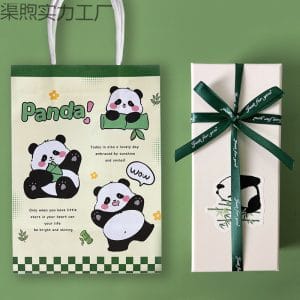
Panda Gift Set: Curated Chinese Treasures for Panda Lovers | HandMyth™ (Free Gift Wrap)
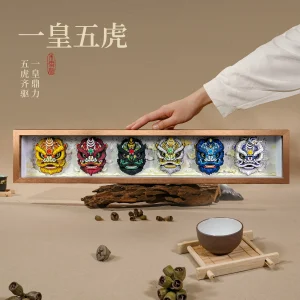
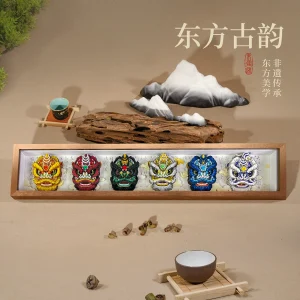
Original price was: $19.86.$17.20Current price is: $17.20. Add to cartHandcrafted Chinese Ornaments: Intangible Cultural Heritage for Your Home | HandMyth™
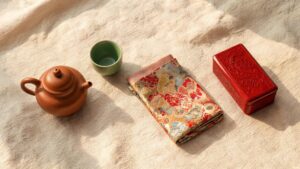
Original price was: $62.00.$58.00Current price is: $58.00. Add to cart










 English


