The gift arrives wrapped not just in paper, but in time. A cloisonné vase, its cobalt blues and copper wires tracing patterns older than the Ming dynasty; a silk embroidery whose stitches map a landscape of myth. These are not mere objects, but vessels. They carry within them the quiet hum of history, the tactile memory of hands that have shaped form and meaning for centuries. To give or receive such an item is to participate in a continuum—a tangible link to philosophies of harmony, imperial patronage, and the artisan’s enduring dialogue with material. In a world of mass production, a handmade Chinese gift stands apart as a deliberate pause, an investment in meaning that transcends its physical form. It is an invitation to touch, to contemplate, and to connect with a narrative far larger than oneself.
The Language of Materials: Substance as Symbol
In Chinese handicraft, material is never neutral. It is a vocabulary, each substance chosen for its inherent symbolism and historical resonance. Jade, for instance, is not simply a green stone. For over 8,000 years, it has been revered as the embodiment of dé (virtue), its cool, unyielding surface symbolizing purity, moral integrity, and grace. The Confucian saying, “The wise have likened jade to virtue,” underscores its deep cultural embedding. A gift of jade, whether a classic bì disc symbolizing heaven or a delicately carved pendant of a peach for longevity, communicates a profound wish for the recipient’s noble character and protection. It is a gift that speaks of enduring values, meant to be worn close to the skin as a constant, comforting reminder.
Silk, too, is far more than luxurious fabric. For millennia, its production was a fiercely guarded state secret, and the cloth itself acted as a currency of diplomacy and trade along the Silk Road, shaping global history. A hand-embroidered silk scarf, depicting scenes of cranes and pine trees stitched with a single hair-fine thread, whispers of this regal and adventurous past. It transforms personal adornment into a wearable archive. Similarly, the choice of zitan or huali rosewood for a jewelry box isn’t merely aesthetic; these rare, fragrant hardwoods were historically reserved for imperial furniture, imbuing a small object with an aura of majesty and permanence. The material itself becomes the first, most fundamental layer of the gift’s message, a silent testament to quality and cultural significance that is felt before any motif is even seen.
Patterns as Palimpsest: A Visual Language of Blessings
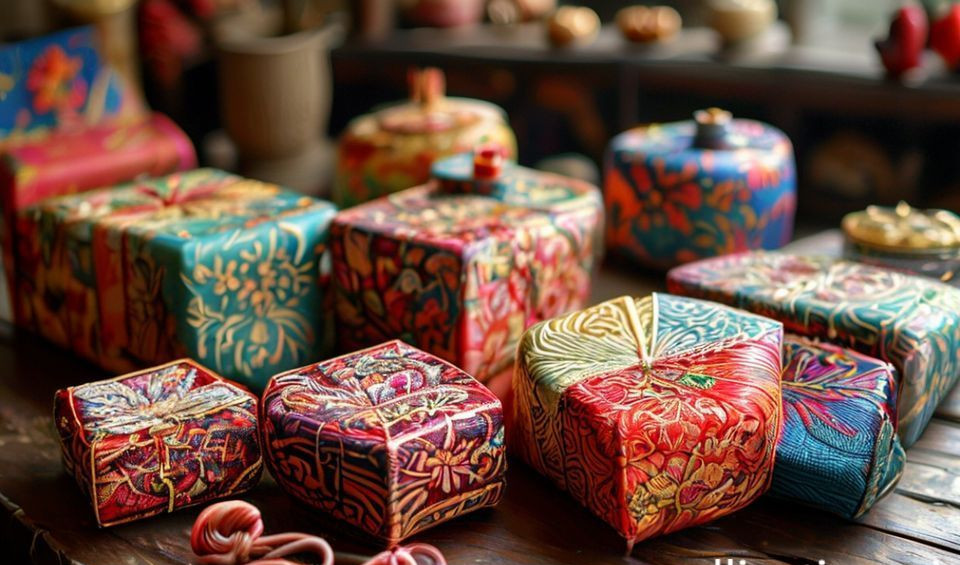
The motifs that adorn these objects form a compressed visual language, a palimpsest of wishes and cultural narratives passed down through generations. These are not arbitrary decorations but a direct inheritance from bronze ritual vessels, imperial robes, and scholar’s accoutrements. The ubiquitous shòu character for longevity, the paired mandarin ducks for marital bliss, the five bats (wǔ fú) representing the five blessings—health, wealth, longevity, love of virtue, and a natural death—are a shorthand for well-wishing, a code of benevolence woven into the fabric of daily life.
Consider a blue-and-white porcelain tea set. Its swirling lotus patterns, symbolizing purity and rebirth, might recall the Yuan dynasty’s artistic exchanges with the Islamic world, while the form of the pot itself could echo a Tang dynasty metal prototype. Each layer of design is a historical footprint. A contemporary artisan carving a lacquer box with a cloud-and-thunder pattern (yúnléi wé) is consciously reaching back to Shang dynasty bronzes, making an ancient symbol of divine power and fertility into a container for modern treasures. This continuity allows a gift to be both timely and timeless, connecting the present moment to a vast artistic lineage. It’s a form of visual poetry where every curve and color holds intention, allowing the giver to convey complex sentiments without uttering a single word.
“My grandfather was a seal carver in Suzhou,” says Li Wei, a third-generation artisan specializing in scholar’s rocks. “He taught me that to shape the stone is to have a conversation with the mountain it came from. When I select a stone for a gift, I am not just choosing its form. I am listening for the history in its fissures, the landscape in its contours. The recipient isn’t getting a paperweight; they are getting a piece of a distant peak, mediated through a tradition of viewing that goes back to the Song dynasty literati. It is a fragment of the natural world, perfected by human contemplation.”
This perspective shifts the gift from a simple transaction to a meaningful transmission. The handmade object becomes a node where past skill meets present intention, where cultural memory is held in the curve of a handle or the gradient of a glaze. It is an artifact of connection, asking both giver and receiver to recognize the weight—and the profound lightness—of continuity. This deep-seated cultural coding is why these objects resonate so powerfully; they are embedded with stories waiting to be recognized and retold.
The Artisan’s Hand: Where Skill Meets Spirit
The true magic of a handmade Chinese gift lies in the visible, yet often invisible, touch of the artisan. Techniques passed down through families or master-apprentice relationships require years, sometimes decades, to master. The process itself is a meditation, a physical manifestation of the concept of shǒu yì (handicraft artistry), where manual skill is inseparable from spiritual cultivation and respect for the material. In Suzhou embroidery, an artisan might split a single silk thread into 48 finer strands to achieve ethereal detail, a practice demanding not just dexterity but immense patience and a steady, focused mind. A cloisonné craftsman bends tiny copper wires by hand to form intricate cells (cloisons) before filling them with vitreous enamel, each firing in the kiln a risk that could undo weeks of meticulous work.
The slight irregularities, the minute variations in glaze thickness on a celadon teacup, are not flaws but signatures—proof of human creation. This human element carries an emotional charge that factory output cannot replicate. As noted by UNESCO, which lists many Chinese craft traditions like sericulture and porcelain as Intangible Cultural Heritage, these practices are crucial for “providing communities with a sense of identity and continuity.” The gift, therefore, carries a whisper of the artisan’s patience and dedication. Giving such an object is an acknowledgment of that human effort and the preservation of cultural knowledge against the tide of homogenization. It supports a living chain of knowledge, ensuring that these conversations between hand, heart, and material do not fall silent.
Choosing with Intention: A Practical Guide
Selecting a handmade Chinese gift is an exercise in thoughtful consideration. The goal is to match the object’s symbolism with the recipient and the occasion, creating a layer of personalized meaning that transforms an object into a personal talisman. This process requires a shift from asking “What do they need?” to “What sentiment do I wish to convey for their journey?”
- For Longevity & Health: Items featuring the shòu character, peaches, or cranes are ideal for birthdays or showing respect to elders. A jade peach pendant or a silk painting of cranes in a pine forest conveys a wish for a long, healthy life filled with peace. A gift like this says, “Your wisdom and presence are valued.”
- For Prosperity & Success: Look for motifs like the golden carp leaping over the dragon gate (symbolizing academic or career success), lush peonies (wealth and honor), or the god of wealth, Caishen. A finely carved rosewood box with mother-of-pearl inlay for storing valuables makes a powerful statement for a new business or home. It is a wish for abundance to fill the space provided.
- For Harmony & Relationships: Mandarin ducks or a double happiness (囍) character are classic for weddings. A pair of matching blue-and-white porcelain teacups can symbolize marital harmony through shared daily rituals. For family, a scroll painting or embroidery of a harmonious family scene, perhaps at a New Year celebration, speaks to enduring bonds and collective joy.
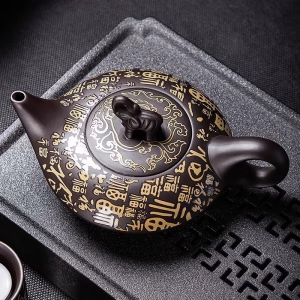
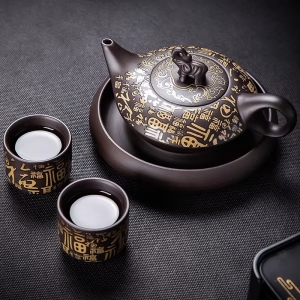
- For the Scholar & Mind: Gifts that evoke the literati tradition resonate deeply with those who value contemplation and learning. A miniature scholar’s rock (gongshi) for a desk, a set of calligraphy brushes with a handmade inkstone, or a delicate Yixing clay teapot for focused tea sessions honor intellect, refinement, and the pursuit of inner quietude.
Beyond motif, consider the recipient’s lifestyle. A busy professional might appreciate a beautiful, functional item like a hand-knotted silk tie featuring a subtle geometric pattern derived from ancient lattice designs, or a ceramic desk set with a crackle glaze. A homebody would cherish a piece of art that enhances their living space, like a delicate papercut framed between glass or a small lacquer screen that creates a moment of beauty in a room. The act of choosing, of aligning symbol with person, becomes the first chapter in the gift’s ongoing story.
Navigating Authenticity and Ethical Acquisition
In a global marketplace filled with replicas, discerning authentic handmade quality is crucial to ensuring your gift carries the cultural and emotional weight you intend. Authentic pieces often possess a subtle heft, a depth of color, and a fineness of detail that mass-produced items lack. The vibrancy of hand-ground mineral pigments in a painting differs from flat, printed ink. The cool, dense feel of nephrite jade is distinct from glass or resin imitations. Look for the artisan’s seal or signature, often found on the bottom of ceramics, the corner of a painting, or a discreet tag on textiles.
Engage with sellers who can articulate the piece’s origin, the materials used, and the technique involved. Ask questions: “Where was this made?” “What is the clay body of this teapot?” “How many hours of embroidery does this represent?” Reputable galleries, cultural institutes like the China National Arts and Crafts Museum, and certified fair-trade craft organizations are excellent sources that vet their artisans and practices.
Ethical acquisition means consciously supporting artisans directly or through cooperatives that ensure fair wages and sustain traditional workshops. This not only guarantees a genuine article but also contributes to the vitality of the craft itself. As organizations like the World Crafts Council advocate, conscious consumerism in crafts is a powerful tool for cultural preservation and sustainable economic development. A report on China’s craft market shows growing consumer interest in authentic, story-backed items, indicating a positive shift. When you purchase a piece from a dedicated artisan, you’re investing in a person, a family, and a living tradition, ensuring these skills survive for future generations to appreciate and inherit.
The Modern Context: Integration and Appreciation
The beauty of handmade Chinese gifts lies in their remarkable adaptability to contemporary life. They are not relics to be locked away in cabinets but are meant to be integrated, used, and loved. A Yixing teapot finds its purpose in the daily morning ritual of tea, its unglazed clay slowly absorbing flavors and developing a richer patina over years—a process cherished by connoisseurs. A hand-painted silk scarf can elevate a modern business suit, adding a touch of narrative elegance. A minimalist ceramic vase, drawing on Song dynasty aesthetics, can hold a single stem in a sleek, modern apartment, creating a quiet dialogue between old and new.
This integration is a form of cross-cultural and cross-temporal conversation. It challenges the notion that tradition is static. Contemporary Chinese artisans are increasingly innovating within their traditions, creating pieces that speak to modern sensibilities while maintaining technical and philosophical integrity. They might use ancient lacquer techniques to create sleek smartphone cases or apply porcelain craftsmanship to contemporary sculptural forms. Gifting such an item supports this dynamic evolution, showing that cultural heritage is a living, breathing force.
The Enduring Resonance in a Modern World
In an age of digital ephemera and fast fashion, the deliberate slowness and tangible substance of a handmade Chinese gift offer a powerful counterpoint. It represents an antidote to disposability. These objects are designed to be used, cherished, and passed down, accruing stories with each generation. They fulfill a universal human yearning for authenticity, connection, and beauty with depth—a yearning noted by psychologists and cultural theorists alike. In a world that often feels fragmented, they provide a touchstone of continuity.
The global appreciation for these crafts, reflected in international auction records and museum collections from the Metropolitan Museum of Art to the Victoria and Albert Museum, speaks to this shared desire. They remind us that the most meaningful gifts are not the loudest, but the ones that carry a silent, enduring conversation within them—a conversation between artisan and material, between past and present, and ultimately, between giver and receiver. To give such a gift is to offer more than an object; it is to offer a story, a wish, a fragment of an ancient, yet ever-evolving, cultural soul, and an invitation to become part of its ongoing narrative. It is, in the most profound sense, a gift of time, thought, and timeless connection.
You may also like
Aladdin’s Lamp Heat-Change Purple Clay Tea Pot
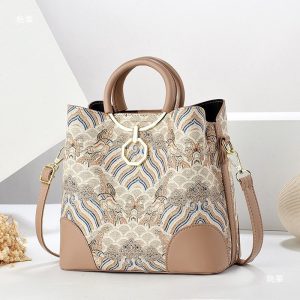
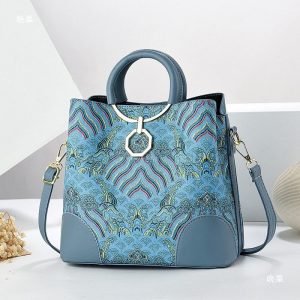
Original price was: $108.00.$78.00Current price is: $78.00. Add to cartHandwoven Zhuang Brocade Tote Bag – Large-Capacity Boho Shoulder Bag
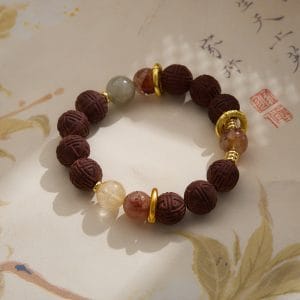
Original price was: $178.00.$154.00Current price is: $154.00. Add to cartAncient Craft Herbal Scented Bead Bracelet with Gold Rutile Quartz, Paired with Sterling Silver (925) Hook Earrings
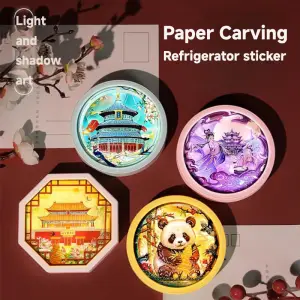
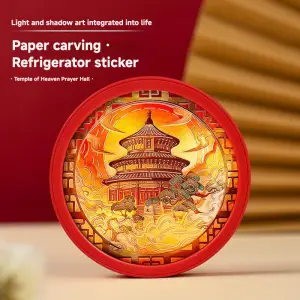
Original price was: $322.00.$198.00Current price is: $198.00. Add to cartThe Palace Museum Paper-Cut Light Art Fridge Magnets: Chinese Cultural Style Creative Gift Series
Price range: $27.00 through $36.00 Select options This product has multiple variants. The options may be chosen on the product pageGuangxi Zhuang Brocade Handmade Tote – Ethnic Boho Large-Capacity Shoulder Bag
Original price was: $172.00.$150.00Current price is: $150.00. Add to cartBambooSoundBoost Portable Amplifier
Original price was: $96.00.$66.00Current price is: $66.00. Add to cart