In the humid air of Southeast Asian forests, rattan vines climb toward the canopy, their spiny stems concealing a remarkable flexibility that would shape civilizations. This natural material, often mistaken for bamboo, possesses a unique combination of strength and pliability that made it indispensable across cultures for millennia. Unlike wood, rattan can be bent and shaped without splitting, while remaining sturdy enough for structural uses—a duality that explains its enduring appeal from ancient royal courts to modern design studios.
The Ancient Trade Routes
By the 8th century, rattan had already become a commodity of significant value along the maritime Silk Road. Chinese merchants recorded exchanges of rattan furniture with Malay traders, while Arab dhows carried woven rattan mats to East African ports. The material’s lightweight nature made it ideal for long-distance transport—a single trading vessel could carry over 3,000 rattan poles from Borneo to Java. These exchanges weren’t merely commercial; they facilitated cultural dialogues, with weaving techniques traveling alongside the raw materials. Archaeological evidence from shipwrecks in the Java Sea reveals rattan bundles preserved in anaerobic conditions, confirming its role as staple cargo. The UNESCO Silk Roads Programme documents how rattan weaving methods spread from Southeast Asia to coastal communities as far as Zanzibar, creating transoceanic craft traditions that persist today.
Cultural Symbolism Across Continents
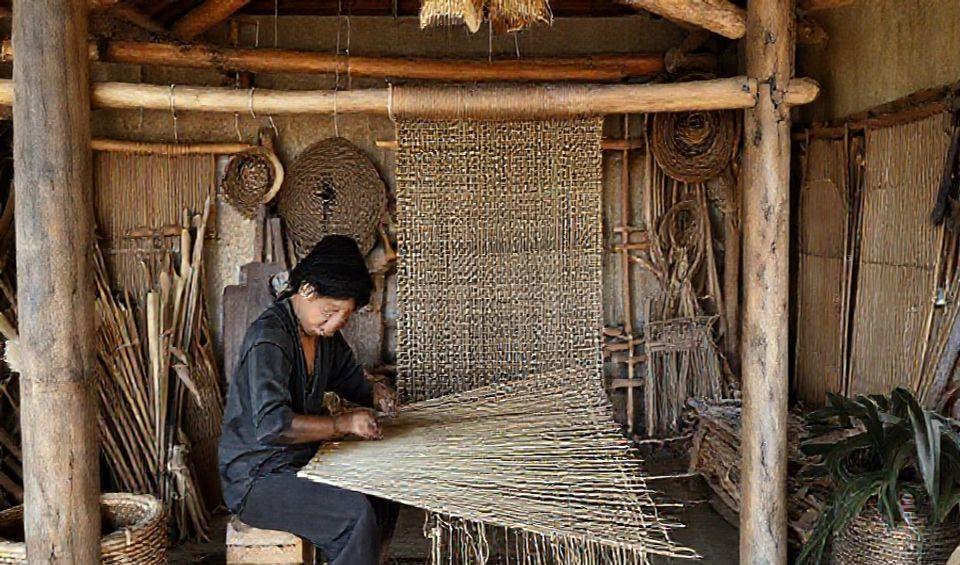
In the Philippines, the intricate patterns of rattan baskets known as ‘bakat’ represented community interdependence, each weave symbolizing familial bonds. Meanwhile, in colonial America, Shaker communities adopted rattan for chair seats, viewing the material’s durability as emblematic of their values of simplicity and functionality. The material’s significance extended to spiritual practices too—in some Indonesian communities, rattan cords were believed to contain protective energies and were used in ritual ceremonies. One elder from Sulawesi recalls, “We don’t just weave rattan; we weave stories into being.” This symbolic resonance appears across continents: in West Africa, rattan staffs denoted tribal authority, while in Victorian England, rattan baby cradles symbolized refined domesticity.
A museum curator specializing in Southeast Asian artifacts notes: “When I handle a 19th-century rattan baby carrier from rural Vietnam, I’m not just seeing craftsmanship. I’m witnessing generations of mothers who trusted this material to hold their most precious cargo. The slight wear patterns tell stories no document could preserve.” These material biographies reveal how ordinary objects carry extraordinary cultural weight.
The Botany Behind the Material
Rattan belongs to the Arecaceae family, climbing palms that thrive in tropical forests from Africa to Asia. Unlike bamboo which grows in straight stalks, rattan vines spiral upward using hooked whips that latch onto host trees. This growth pattern creates long, uniform stems reaching up to 200 meters—the perfect raw material for furniture and basketry. The plant’s cellular structure contains silica deposits that provide hardness while maintaining flexibility, a combination rarely found in natural materials. According to research published in the Journal of Industrial Crops and Products, rattan’s tensile strength surpasses many hardwoods, explaining its historical use in structural applications from bridge cables to house frames.
Colonial Encounters and Global Dissemination
European colonization dramatically accelerated rattan’s global circulation. Dutch traders established rattan processing centers in Java in the 17th century, while British colonists documented over 50 distinct weaving techniques in Malaya. The material’s popularity in Europe soared during the 19th century when tropical aesthetics became fashionable. Victorian conservatories filled with rattan chairs and settees, their airy construction complementing the glasshouse environment. This colonial trade had ecological consequences—overharvesting in accessible forests led to early sustainability concerns. Plantation systems emerged in the Dutch East Indies, establishing patterns of commercial cultivation that continue today.
Modern Manufacturing and Design Evolution
The 20th century transformed rattan from a cottage industry material to an industrial commodity. Steam bending techniques developed in the 1920s enabled mass production of curved furniture components, while synthetic coatings improved durability. Mid-century designers like Charles and Ray Eames celebrated rattan’s organic qualities, creating iconic pieces that blended traditional craftsmanship with modernist aesthetics. Today, computer-numerical-control (CNC) machines precision-cut rattan components while preserving the handcrafted appearance consumers value. The global rattan market continues to grow, with Statista reporting valuation exceeding $12 billion annually, driven particularly by demand for sustainable home furnishings.
Sustainability Challenges and Solutions
Rattan’s popularity presents ecological challenges. Wild harvesting often involves clear-cutting forest sections to access vines, damaging biodiversity hotspots. The World Wildlife Fund estimates that 20% of rattan species face overexploitation threats. However, sustainable alternatives are emerging. Community-based management in Indonesia’s Kalimantan region demonstrates how rotational harvesting can maintain rattan stocks while preserving forest cover. Certification systems like the Forest Stewardship Council now include rattan, allowing consumers to identify ethically sourced products. “When we teach villagers to harvest only mature vines and leave the juveniles,” explains a conservation officer in Borneo, “we’re not just protecting rattan—we’re protecting entire ecosystems that depend on these forests.”
Practical Applications and Care Guidelines
Rattan’s versatility extends beyond furniture to unexpected domains. Automotive engineers use rattan composites for door panels seeking weight reduction, while biomedical researchers explore its potential as bone graft material due to its porous structure. For homeowners, rattan offers an affordable, sustainable option for indoor and outdoor furnishings. Proper care ensures longevity: avoid prolonged direct sunlight which causes brittleness, dust with soft brushes to prevent dirt accumulation in weaves, and occasionally mist with water to maintain flexibility. For deep cleaning, use mild soap solution and soft cloths, never harsh chemicals that strip natural oils.
Cultural Preservation and Economic Opportunities
Traditional rattan craftsmanship faces pressure from industrialization and changing lifestyles. In the Philippines, master weaver Elena Torres observes: “Young people move to cities for factory jobs—they don’t want to spend weeks weaving one basket.” Yet innovative approaches are revitalizing the craft. Design collaborations between Indonesian artisans and European furniture companies have created new markets for high-end rattan pieces. The World Health Organization even recognizes basketry as therapeutic activity for elderly cognitive health. Micro-enterprises from Ghana to Cambodia demonstrate how rattan work can provide viable livelihoods while preserving cultural heritage.
The Future of Rattan
Material scientists continue discovering rattan’s potential. Researchers at Imperial College London developed a method to compress rattan into “super wood” with strength comparable to steel. Other innovations include rattan-based biofuels and biodegradable plastics. These developments position this ancient material at the forefront of sustainable technology. As consumers increasingly prioritize eco-friendly products, rattan’s renewability—harvestable without killing the plant—gives it distinct advantage over slower-growing timber. The same qualities that made rattan valuable along the Silk Road—lightweight, strong, flexible—now make it relevant for sustainable design solutions addressing 21st-century challenges.
From forest vines to global commodity, rattan’s journey reflects human ingenuity in harnessing nature’s gifts. Its continued evolution—blending traditional knowledge with cutting-edge science—suggests this humble material will remain part of our shared future, weaving together past and present in patterns yet unseen.
You may also like
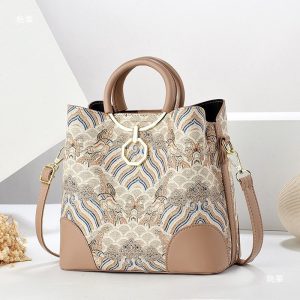
Guangxi Zhuang Brocade Handmade Tote – Ethnic Boho Large-Capacity Shoulder Bag
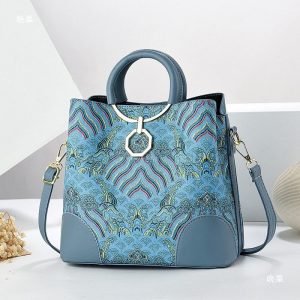
Original price was: $172.00.$150.00Current price is: $150.00. Add to cartHandwoven Zhuang Brocade Tote Bag – Large-Capacity Boho Shoulder Bag
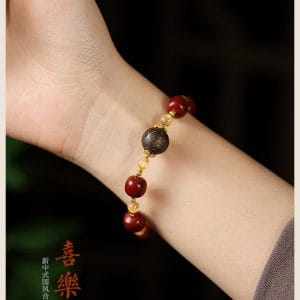
Original price was: $178.00.$154.00Current price is: $154.00. Add to cartAncient Craftsmanship & ICH Herbal Beads Bracelet with Yellow Citrine & Silver Filigree Cloud-Patterned Luck-Boosting Beads
Original price was: $128.00.$89.00Current price is: $89.00. Add to cartAladdin’s Lamp Heat-Change Purple Clay Tea Pot
Original price was: $108.00.$78.00Current price is: $78.00. Add to cartAncient Craft Herbal Scented Bead Bracelet with Gold Rutile Quartz, Paired with Sterling Silver (925) Hook Earrings
Original price was: $322.00.$198.00Current price is: $198.00. Add to cartThe Palace Museum Paper-Cut Light Art Fridge Magnets: Chinese Cultural Style Creative Gift Series
Price range: $27.00 through $36.00 Select options This product has multiple variants. The options may be chosen on the product page